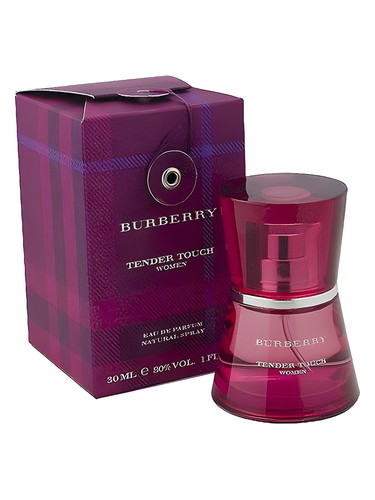
First Impressions
The first spray of Tender Touch whispers rather than announces. A gentle cloud of litchi sweetness mingles with dewy rose petals, creating that paradoxical moment where fruit and flower become indistinguishable. There''s a violet softness lurking beneath, adding a powdery quality that feels both nostalgic and surprisingly modern. The citrus notes—orange and green mandarin—provide just enough brightness to keep the composition from drowning in its own sweetness. This is Burberry in 2003, capturing a moment when feminine fragrances favored grace over boldness, when "tender" wasn''t a marketing platitude but an actual compositional philosophy.
The Scent Profile
The opening act revolves around that litchi note, which dominates the first fifteen minutes with its juicy, almost translucent sweetness. It''s the kind of fruit note that doesn''t scream "fruity perfume" but rather adds a soft-focus filter to everything else happening. The rose emerges quickly, but it''s a pink rose—dewy, slightly green, nothing like the heavy, crimson roses of vintage chypres. Violet threads through both, adding that characteristic powdery quality that will become more pronounced as the fragrance develops. The citrus duo of orange and green mandarin provides lift without asserting individual personality; they''re the supporting actors who know their role.
As Tender Touch settles into its heart, the white florals take center stage. False jasmine and true jasmine create a softly indolic backdrop—present enough to register as sophisticated, but never approaching the narcotic intensity of true soliflores. Peony brings a fresh, watery quality that keeps the composition airy, while freesia adds its characteristic soapy-clean transparency. The peach note is subtle, more textural than literal, providing a fuzzy softness rather than obvious fruitiness. This heart phase is where the fragrance lives most convincingly, where all those accord percentages—100% floral, 62% white floral, 60% powdery—make perfect sense.
The base brings the grounding you''d expect from a well-constructed floral: musk provides soft-skin intimacy, iris reinforces that powdery quality established by the violet up top, and sandalwood adds creamy warmth without going full-on woody. Amber appears as a whisper of sweetness and depth rather than a heavy resinous presence. The entire dry-down feels like clean laundry softened with something just slightly indulgent—comfortable, approachable, polite.
Character & Occasion
The data tells a clear story: this is a spring fragrance first and foremost (79%), with strong fall showing (60%) and respectable summer performance (51%). Winter? Not so much (37%), and that makes sense. Tender Touch lacks the heft and projection for cold weather; it''s designed for softer seasons when you want presence without persistence, when you want to be noticed but not remembered for hours after you''ve left the room.
The day/night split is even more revealing: 100% day appropriate, dropping to just 43% for evening wear. This is a boardroom-to-brunch fragrance, perfect for situations where you need to smell intentional without being distracting. It''s the scent equivalent of a well-tailored blouse—appropriate almost anywhere, memorable for its appropriateness rather than its daring.
Who is this for? Women who understand that "feminine" doesn''t mean frilly, who appreciate florals but don''t want to smell like a wedding bouquet, who need a reliable signature that won''t raise eyebrows in conservative environments. It''s notably versatile across age ranges, though it skews slightly more mature—this isn''t trying to be youthful or trendy.
Community Verdict
With 350 votes landing at 3.81 out of 5, Tender Touch occupies that interesting middle territory: well-liked but not obsessed over. This is a solid rating that suggests a fragrance that does exactly what it intends to do without breaking new ground. Nobody''s calling this a masterpiece, but nobody''s calling it a disaster either. It''s the kind of rating that indicates reliability—you''re unlikely to be disappointed, but you might not be transported either.
The vote count itself (350) suggests a fragrance that''s found its audience without becoming a blockbuster. For a 2003 release, that''s respectable longevity in fragrance community memory.
How It Compares
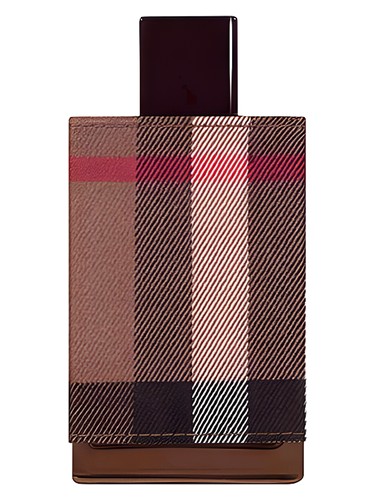
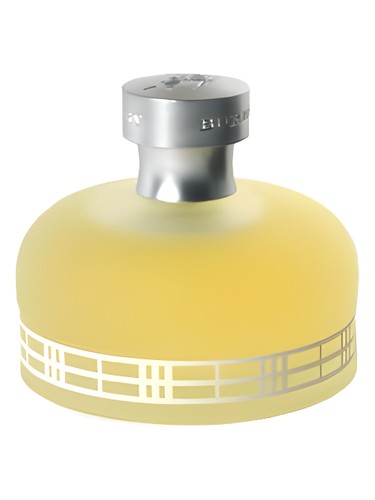
The similarity matches tell us everything about where Tender Touch sits in the fragrance landscape. Weekend for Women, also by Burberry, shares that British restraint and fresh floral character. J''adore by Dior and Trésor by Lancôme are more prestigious cousins—bigger budgets, more marketing muscle, similar DNA. Noa by Cacharel and London by Burberry round out a family portrait of late ''90s/early 2000s florals that prioritized elegance over experimentation.
Where Tender Touch distinguishes itself is in that litchi opening and the particularly soft powderiness that runs through the composition. It''s less bold than J''adore, less sweet than Trésor, more delicate than London.
The Bottom Line
Tender Touch is exactly what its name promises: nothing harsh, nothing challenging, nothing that will divide a room. At 3.81/5, it''s a fragrance that knows its lane and stays in it competently. The real question is whether you want competence or excitement from your perfume wardrobe.
If you''re building a collection of reliable, wear-anywhere fragrances for spring and fall daytime occasions, this deserves consideration. If you''re looking for the next revolutionary floral or a signature scent that announces your arrival, keep searching. The value proposition depends entirely on availability and price—as a discontinued fragrance from 2003, it''s worth trying if you stumble across it, but probably not worth hunting down obsessively.
Try this if you love soft, powdery florals with just enough fruit to keep them interesting, if you appreciate British restraint in perfumery, or if those similar fragrances listed above already live happily in your collection. Skip it if you need projection, longevity, or anything with an edge.
AI-generated editorial review