First Impressions
The first spray of Salvador Dali Pour Homme hits like walking into a Mediterranean herb garden at twilight—but one painted by its namesake artist, where lavender bushes twist into impossible shapes and anise floats suspended in the air like those famous melting clocks. This 1987 masculine opens with an almost aggressive aromatic salvo: anise leads the charge with its licorice-sweet intensity, immediately flanked by clary sage's musty earthiness and lavender's clean medicinal bite. Tarragon and basil add a culinary verdancy that borders on unsettling, while bergamot, tangerine, and lemon struggle valiantly to inject brightness into what is fundamentally a moody, herbal affair. This is not a fragrance that introduces itself politely. It announces, declares, performs.
The composition sits squarely in that late-1980s aesthetic where "masculine" meant volume, where aromatic meant unapologetic, and where subtlety was something left to the next decade. With aromatic accord registering at 100% and woody at 94%, Salvador Dali Pour Homme doesn't hedge its bets—it is exactly what it claims to be, for better or worse.
The Scent Profile
As the herbal cacophony of the opening begins to settle—and it does take its time, this is not a fragrance in any hurry—the heart reveals unexpected florals that soften the composition's angular edges. Geranium brings its rose-like greenness, tempering some of the top's aggressive herbaceousness. Jasmine and lily-of-the-valley contribute a white floral elegance that feels almost incongruous against the sage and anise, like finding a tuxedo in a toolshed. Heliotrope adds a powdery, almost almond-like sweetness that begins the fragrance's gradual journey from sharp to smooth.
This middle phase is where Salvador Dali Pour Homme reveals its complexity. The contrast between the medicinal aromatics and these softer florals creates an interesting tension—never quite resolving, but maintaining an uneasy détente that keeps the composition from becoming monotonous.
The base is where this fragrance finally finds its footing and reveals its true character. Patchouli dominates with earthy, slightly funky richness that the accord data confirms at 39%—substantial but not overwhelming. Oakmoss brings that classic chypre-adjacent earthiness that screams 1980s masculinity, while vetiver adds smoky, grassy depth. Sandalwood and cedar provide woody scaffolding, amber offers warmth, and vanilla—blessedly restrained—adds just enough sweetness to prevent the whole affair from becoming too austere. The earthy accord registers at 57%, and you feel every percentage point of it as the dry down unfolds over hours, clinging to skin with impressive tenacity.
Character & Occasion
The data tells a clear story about when Salvador Dali Pour Homme comes alive: this is a cold-weather creature through and through. Fall scores 100%, winter hits 94%, while summer limps in at a mere 16%. This makes perfect sense—those heavy aromatics, that substantial patchouli-oakmoss base, the overall density of the composition all demand cooler temperatures to shine. Wear this in July heat and you'll understand why summer gets such a low score.
Interestingly, while day wear sits at 56%, night wear rockets to 99%. This suggests a fragrance with enough presence and drama to hold its own in evening settings, yet sufficient versatility to work during daylight hours in appropriate seasons. Picture it on crisp autumn afternoons, layered under wool and tweed, or in winter evenings when its warmth becomes an olfactory hearth.
This is a fragrance for someone who appreciates the aesthetic excesses of 1980s perfumery—the person who sees value in aromatic intensity over modern minimalism. It demands a certain confidence to wear, or perhaps a certain indifference to contemporary trends.
Community Verdict
Here's where things get intriguing. Despite its respectable 4.15/5 rating from 1264 votes, the Reddit fragrance community tells a different story. With a middling sentiment score of 5.5/10 based on 47 opinions, Salvador Dali Pour Homme occupies an awkward space in contemporary fragrance discourse.
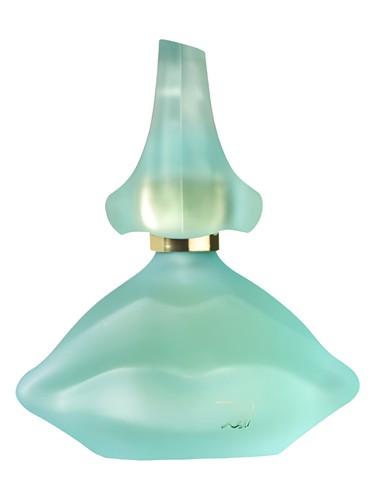
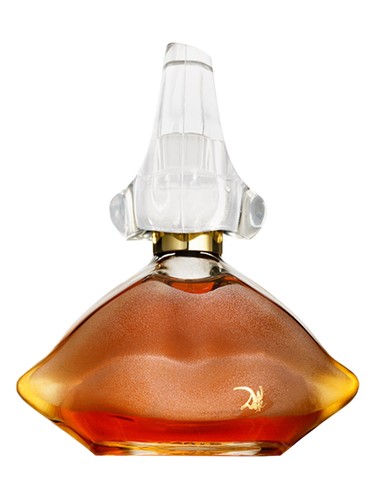
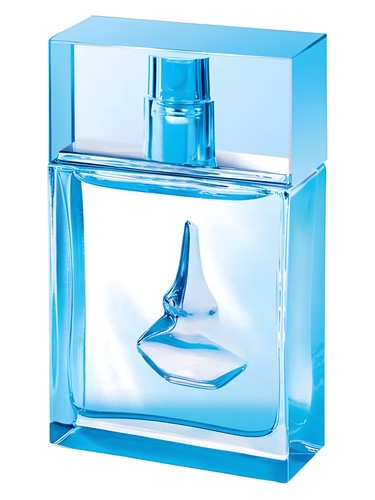
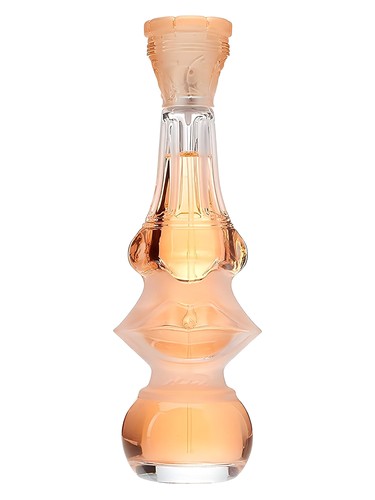
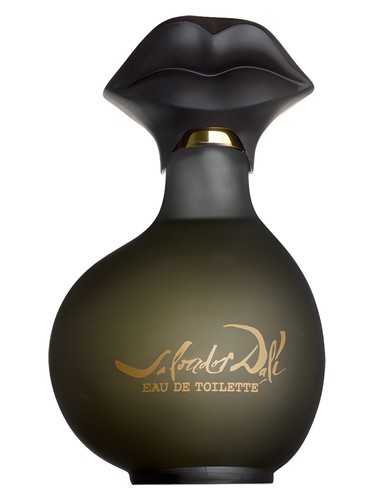
The pros reveal telling priorities: users praise the "unique funky bottle design," mention it as an "affordable thrift find," and consider it an "interesting niche fragrance option." The cons are equally illuminating: "limited discussion in community," "appears to be more of a novelty purchase," and "difficult to find in secondary market." The summary drives this home with refreshing honesty—one user admitted purchasing it primarily for the distinctive bottle rather than the fragrance itself, suggesting it appeals "more as a collectible novelty than as a serious fragrance choice."
This disconnect between the numerical rating and community enthusiasm reveals something important: Salvador Dali Pour Homme has become more artifact than active participant in contemporary fragrance culture. It's recommended for "thrift/vintage collecting, curiosity exploration, budget-conscious sampling"—descriptors that damn with faint praise while acknowledging a certain historical interest.
How It Compares
Salvador Dali Pour Homme shares DNA with powerhouses of its era: Azzaro pour Homme, Drakkar Noir, Zino Davidoff, Polo by Ralph Lauren, and Vetiver by Guerlain. These are the heavy hitters of 1980s masculinity, each approaching aromatic-woody territory with similar confidence and volume.
Where Drakkar Noir went sharper and more obviously synthetic, and Polo embraced leathery richness, Salvador Dali Pour Homme distinguishes itself through that unusual anise-lavender opening and the particular earthiness of its dry down. It's less refined than Guerlain's Vetiver, less smooth than Azzaro, but possesses its own angular character—appropriately surrealist, if we're being generous with our art history references.
The Bottom Line
Salvador Dali Pour Homme exists in a peculiar space: solid enough to earn a 4.15 rating from over a thousand voters, yet marginal enough to register barely a ripple in active fragrance communities. This is a time capsule, not a timeless classic.
Should you seek it out? If you're exploring vintage masculines, building a collection of 1980s aromatics, or simply curious about what "masculine" meant in 1987, absolutely. At thrift-store prices, it's an affordable education. The performance is solid, the composition is competent if dated, and there's genuine interest in experiencing such unabashed aromatic intensity.
But approach with appropriate expectations. This isn't a hidden gem awaiting rediscovery or an underrated masterpiece. It's a well-executed example of its era's aesthetic—one that contemporary tastes have largely moved past. The bottle, admittedly, might be the best part of the purchase. And sometimes, that's perfectly fine.
AI-generated editorial review