First Impressions
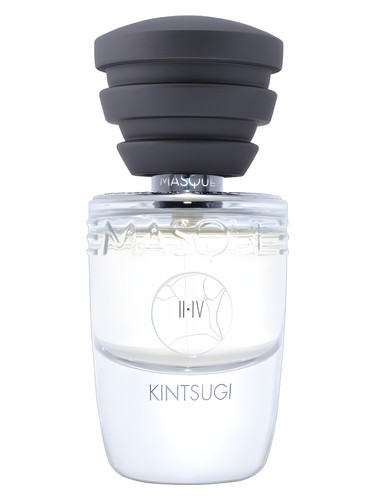
The first whisper of Kintsugi on skin feels like stumbling upon a magnolia tree in an abandoned garden—petals soft and creamy against weathered leather gloves left behind. There''s an immediate brightness from bergamot that lifts the composition, while amber adds a golden warmth that promises complexity. This opening is genuinely bewitching, a word that appears repeatedly in early encounters with the fragrance. The magnolia accord shimmers with an almost narcotic sweetness, simultaneously fresh and indulgent, hinting at the rose and suede that wait beneath. It''s the kind of first spray that makes you close your eyes and inhale deeply, chasing every nuance.
The Scent Profile
Kintsugi opens with a triumvirate of magnolia, bergamot, and amber—an unusual combination that somehow works. The magnolia takes center stage, creamy and slightly soapy in the most elegant way, while bergamot provides citrus sparkle (accounting for that 65% citrus accord) and amber begins building the foundation of warmth that will define the fragrance''s architecture.
As the top notes settle, the heart reveals its more complex character. Rose emerges, not as the soliflore star but as a supporting player that adds depth to the magnolia (together creating that dominant 100% floral accord with an 80% rose signature). Violet leaf contributes a green, slightly metallic edge, while suede introduces the leather element that gives Kintsugi its unconventional backbone. This is where the fragrance begins to show its duality—the softness of florals against the animalic whisper of leather, beauty and earthiness in conversation.
The base is where things become genuinely intriguing, and for some, problematic. Raspberry leaf adds an unexpected fruity-green dimension (contributing to the 84% fruity accord), while patchouli (61% of the overall character) grounds the composition with its dark, earthy presence. Siam benzoin and vanilla attempt to sweeten and smooth the finish, but the interplay of these elements creates something more complex than simple comfort—there''s a "dirty" quality that emerges, an earthiness that reads as either sophisticated grit or unpleasant mustiness, depending on the wearer and, crucially, the format.
Character & Occasion
According to wear data, Kintsugi finds its sweet spot in fall (100% suitability), making it an ideal companion for crisp October afternoons when the air carries that first hint of wood smoke. Spring follows closely at 87%, suggesting the magnolia and rose shine beautifully during that transitional season of renewal. Winter claims 68% suitability—the warmth of amber, vanilla, and benzoin providing cozy comfort without overwhelming. Summer, tellingly, registers only 34%, as the heavier leather and patchouli elements likely prove too much in heat.
The day-to-night split is remarkably balanced—67% day versus 66% night—suggesting Kintsugi possesses that rare versatility to transition from office to evening. It''s designed as a feminine fragrance, but the leather and patchouli give it enough edge to appeal to anyone drawn to darker, more complex florals. This isn''t a safe, pretty rose scent; it''s for someone who wants their florals with character, with a story written in shadows as much as light.
Community Verdict
Here''s where Kintsugi''s story takes an unusual turn. With a 6.5/10 sentiment score, the community response is decidedly mixed, and for a specific, fascinating reason: there''s a significant reported difference between sample and full bottle performance.
The praise is consistent for initial encounters. Users describe excellent first impressions from samples, with those bewitching and intoxicating opening notes capturing hearts. Many specifically note that the magnolia accord is beautifully rendered—at least in sample form.
The criticism, however, is both specific and concerning. Multiple wearers report that the full bottle delivers an entirely different experience than the sample promised. Those darker, earthier notes—the "dirty" elements in the patchouli and leather—become overwhelming and unpleasant in the full-size format. Descriptions include "cigarette" and "bad breath" qualities that weren''t present or noticeable in smaller doses. The theory suggests that spray mechanism differences between sample vials and full bottles may affect how the notes project and balance on skin, with the full bottle amplifying certain elements in unflattering ways.
The recommendations are therefore cautious: test extensively with samples before committing, consider this primarily if you enjoy dirty or earthy fragrances in limited doses, and perhaps reserve it for shorter wearing occasions where limited projection becomes an asset rather than a limitation.
How It Compares
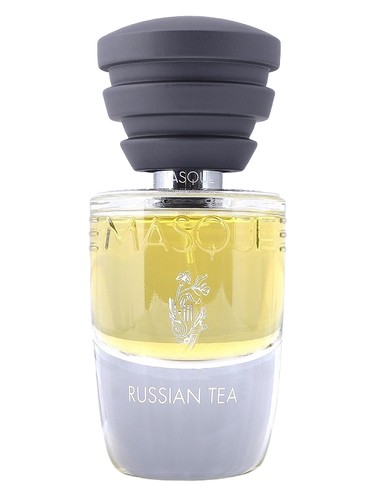
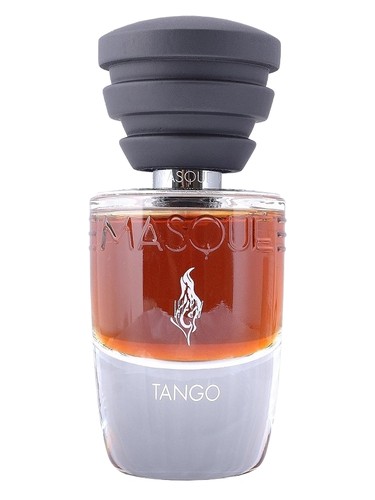
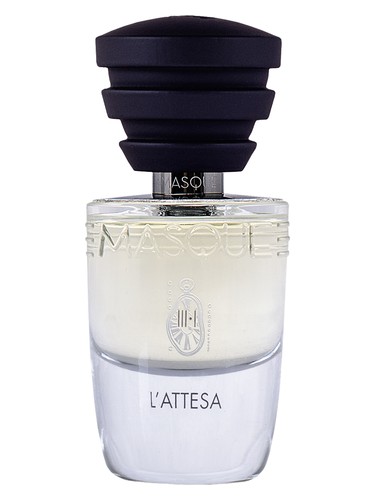
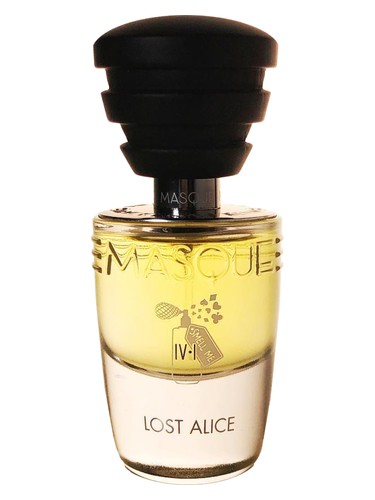
Kintsugi sits in prestigious company among its similar fragrances. Portrait of a Lady by Frederic Malle shares that rose-patchouli darkness, while Tom Ford''s Black Orchid brings similar leather-floral intensity. The comparison to Guerlain''s Shalimar suggests Kintsugi inherits some of that classic oriental DNA, while Nishane''s Ani points to shared gourmand-spice territory. Interestingly, Love Kills—also from Masque Milano—appears as a sibling fragrance, suggesting a house aesthetic that embraces complexity and contradiction.
Within this category of dark, sophisticated florals, Kintsugi attempts to carve out space with its magnolia focus, but the execution issues reported by the community place it behind more consistent performers.
The Bottom Line
With a 4.06 out of 5 rating from 472 votes, Kintsugi clearly has its admirers. The score suggests a well-crafted fragrance that resonates with many wearers. However, the community feedback reveals an important caveat that potential buyers need to know: sample first, and sample extensively.
If your sample experience captivates you, approach the full bottle with eyes open to the possibility that it may perform differently. This isn''t necessarily a dealbreaker—some may find that the earthier, more prominent dirty notes in the full bottle are exactly what they''re seeking. But given the number of disappointed buyers who loved the sample only to regret the full purchase, caution is warranted.
Kintsugi is best suited for those who appreciate fragrances with genuine complexity, who don''t mind a bit of grit with their beauty, and who understand that sometimes the most interesting perfumes are also the most unpredictable. Like the Japanese art of repairing broken pottery with gold that gives it its name, Kintsugi embraces imperfection—though whether its particular flaws feel like beautiful cracks filled with light or simply fractures depends entirely on the wearer.
AI-generated editorial review