First Impressions
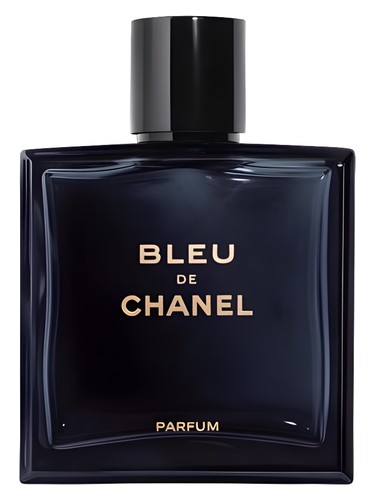
The first spray of Bleu de Chanel Parfum announces itself with confidence—a bright burst of lemon zest and bergamot that immediately clarifies the air around you. But this isn''t the sharp, aggressive citrus of your typical fresh fragrance. Within seconds, a cool mint accord weaves through, tempered by the herbal bitterness of artemisia, creating an opening that feels both invigorating and surprisingly sophisticated. There''s an immediate sense of polish here, a refinement that whispers rather than shouts, even as the projection fills the space around you. This is Chanel doing what Chanel does best: taking familiar elements and elevating them into something that feels effortlessly expensive.
The Scent Profile
The evolution of Bleu de Chanel Parfum reveals itself as a masterclass in modern woody composition. Those opening citrus notes—lemon zest and bergamot—provide the initial brightness, but they''re never left to stand alone. The mint and artemisia create a green, almost medicinal quality that adds depth from the very first moment, preventing the top notes from skating into generic fresh territory.
As the fragrance settles into its heart, the composition takes an interesting turn. Lavender emerges as a soft, aromatic pillow, while an unexpected pineapple note adds a subtle tropical sweetness that never quite announces itself as fruit. Instead, it reads as a general warmth, a slight honeyed quality that rounds out the sharper geranium and persistent green notes. This heart phase is where the fragrance''s aromatic character—that 48% accord rating—truly manifests, creating a bridge between the fresh opening and what''s to come.
The base is where the "Parfum" concentration truly differentiates itself. The woody accord, rated at 100%, dominates with a triumvirate of sandalwood, cedar, and amberwood. There''s a creamy, almost tactile quality to the sandalwood that provides smoothness, while cedar adds structure and a pencil-shaving dryness. The inclusion of Iso E Super—that modern perfumery workhorse—creates an enveloping, skin-like quality that some describe as powdery (27% accord), while tonka bean adds just enough sweetness to keep the woods from feeling austere. The result is a base that feels substantial without being heavy, refined without being distant.
Character & Occasion
With perfect or near-perfect seasonal scores across spring (100%), fall (100%), winter (90%), and summer (86%), Bleu de Chanel Parfum positions itself as the ultimate all-rounder. This is a fragrance that adapts rather than dominates, making it particularly valuable for those who want a signature scent that won''t betray them regardless of weather.
The day/night split tells an interesting story: 95% for day wear, 98% for night. This is a fragrance that works anywhere, but perhaps works best when you need to present a polished, professional version of yourself. The woody-citrus-aromatic combination reads as mature without being dated, fresh without being juvenile. It''s the olfactory equivalent of a perfectly tailored blazer—appropriate everywhere from client meetings to dinner dates.
This versatility makes it particularly suited for office environments and professional settings where you want to be noticed but not discussed. It''s complex enough to reward close attention but composed enough never to challenge or offend. For fragrance newcomers, this represents an ideal first serious purchase—a scent that teaches you what quality smells like without demanding expertise to appreciate.
Community Verdict
The community speaks with a strong positive sentiment (8.2/10), and that enthusiasm is reflected in the impressive 4.45/5 rating across nearly 10,000 votes. The praise centers on specific strengths: excellent mass appeal, surprising depth for what initially presents as a fresh fragrance, and strong opening performance that commands attention.
However—and this is significant—there''s a notable discrepancy between the powerful opening and what follows. Multiple community members report longevity issues, describing how the fragrance "fades to skin scent after a few hours despite strong opening." This is perhaps the most consistent criticism: the Parfum concentration promises endurance but delivers intimacy, becoming a personal scent rather than a projecting one relatively quickly.
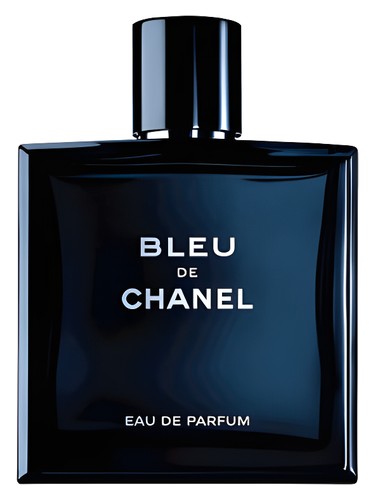
Another recurring observation: many owners actually prefer the Eau de Parfum version over this Parfum concentration. Some find this iteration too powdery, while others consider it generic compared to the EDP''s character. These aren''t universal complaints, but they appear frequently enough to warrant consideration, especially given the price premium the Parfum commands.
Despite these reservations, the consensus remains overwhelmingly positive. It''s repeatedly cited as "one of the best versatile daily fragrances available," ideal for those seeking a refined, year-round signature.
How It Compares
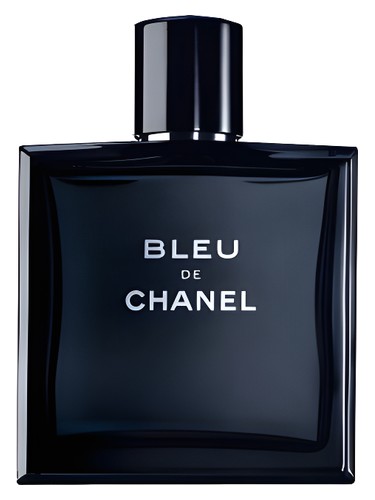
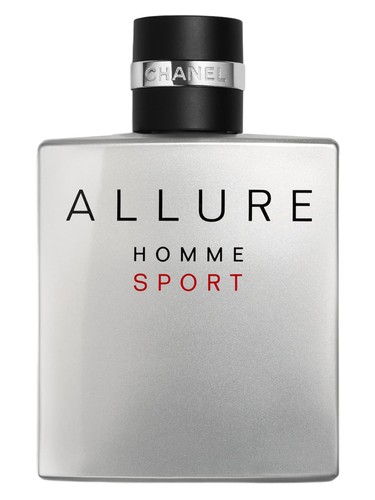
Within the Bleu de Chanel line itself, this Parfum sits as the most concentrated and expensive option, yet community preference often tilts toward the Eau de Parfum. Among similar fragrances—Terre d''Hermès, Allure Homme Sport Eau Extreme, and Y Eau de Parfum—Bleu de Chanel Parfum distinguishes itself through its particular balance of freshness and woody depth, though some argue Terre d''Hermès offers greater distinctiveness and Allure Homme Sport more longevity.
The Bottom Line
Bleu de Chanel Parfum is, by nearly every objective measure, an excellent fragrance. The 4.45 rating across almost 10,000 votes doesn''t lie, nor does the strong community sentiment. It achieves what it sets out to do: provide a refined, versatile, mass-appealing scent that works across virtually every situation and season.
But excellence comes with caveats. The longevity issues are real enough that prospective buyers should sample it through a full day before committing. The preference many express for the EDP raises questions about whether the Parfum concentration actually improves the formula or simply intensifies the powdery aspects some find less appealing.
For fragrance newcomers seeking their first serious bottle, this remains an outstanding choice—safe without being boring, complex without being challenging. For experienced collectors, consider whether you want the most concentrated version or the most balanced one. Sometimes, as this fragrance suggests, more isn''t always better—just more.
AI-generated editorial review