First Impressions
The first spray of Armani Code Sport is like diving into a pool on a sweltering afternoon—immediate, clarifying, and utterly refreshing. There''s an exhilarating blast of mint that arrives arm-in-arm with bright mandarin orange, creating that perfect balance between cooling herbal sharpness and sunny citrus sweetness. This isn''t the seductive, slightly mysterious character of the original Armani Code. Instead, it''s that fragrance''s younger, more athletic cousin—the one who prefers tennis whites to tuxedos, morning runs to midnight cocktails. Within seconds, you understand exactly what Giorgio Armani intended: a reinterpretation of masculine sophistication for broad daylight and warm weather.
The Scent Profile
The opening act belongs entirely to that mint and mandarin partnership, which dominates with citrus scoring a perfect 100% in the accord breakdown. The mint here isn''t toothpaste-clinical; it''s garden-fresh and green (reflected in that 59% green accord), with just enough aromatic character (64%) to keep it from veering into purely aquatic territory. The mandarin provides a juicy, natural sweetness that prevents the composition from becoming too sharp or austere.
As the fragrance settles into its heart, lemon joins the citrus chorus while ginger flower introduces a subtle spicy warmth. This is where Armani Code Sport reveals its sophistication—the ginger flower isn''t aggressive or particularly peppery, but rather offers a gentle, slightly exotic inflection that bridges the gap between the fresh opening and what''s to come. The lemon reinforces that citrus dominance while maintaining the overall brightness, ensuring the fragrance never becomes heavy or dense.
The base is where things get interesting, presenting something of a paradox. Water notes combine with vetiver and amber to create a foundation that''s simultaneously aquatic and grounding. The water notes contribute to that 20% aquatic accord, lending an almost ozonic quality—think ocean breeze rather than chlorinated pool. The vetiver adds an earthy, slightly woody dimension that keeps the fragrance from floating away into pure etherealness, while the amber provides just enough warmth to prevent the composition from reading as cold. It''s a restrained base, designed to support rather than dominate, which explains why this fragrance remains so firmly in daytime territory.
Character & Occasion
The community data paints an unambiguous picture: Armani Code Sport is a summer fragrance first and foremost (100%), with strong spring appeal (72%). Those fall and winter numbers (29% and 14% respectively) tell you everything you need to know about its thermal performance—save this one for when temperatures climb. This is emphatically a daytime scent (100%), with only modest crossover into evening wear (29%), which makes perfect sense given its bright citrus-aromatic construction.
Who should wear this? The active man who still values refinement. The guy who owns quality athletic wear but wouldn''t be caught dead looking sloppy. It''s ideal for outdoor summer events, casual office environments when dress codes relax in warm weather, weekend brunches, golf courses, and any situation where you want to smell freshly showered and put-together without announcing your presence from across the room. The fresh-spicy accord (56%) gives it just enough character to avoid generic territory, while that aromatic backbone ensures it reads as decidedly masculine without resorting to aggressive woody or leather notes.
Community Verdict
With a solid 4.08 out of 5 rating from 1,575 votes, Armani Code Sport has clearly found its audience. That''s a respectable score suggesting broad appeal—not a polarizing masterpiece, but a reliable performer that delivers exactly what it promises. The substantial vote count indicates this isn''t some forgotten flanker languishing in obscurity; people are wearing it, evaluating it, and generally approving of what they find. It''s the kind of rating that suggests "very good" rather than "groundbreaking," which for a sport flanker released in 2011, represents exactly the sweet spot Giorgio Armani was likely targeting.
How It Compares
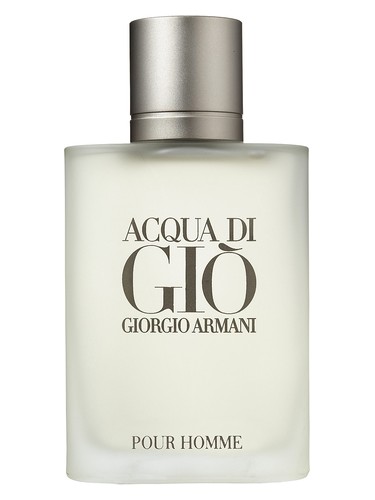
Armani Code Sport plays in the same sandbox as several established masculine freshies. L''Eau d''Issey Pour Homme and Versace Pour Homme share that citrus-aquatic DNA, while Acqua di Gio—another Armani creation—obviously represents the brand''s blueprint for fresh masculine fragrances. The YSL L''Homme comparison is particularly interesting, as both fragrances offer refinement in their freshness rather than purely athletic positioning. Bleu de Chanel, while more expensive and complex, occupies similar occasion territory.
Where Armani Code Sport distinguishes itself is in that mint opening and the specific way it balances green and aquatic elements. It''s perhaps less complex than Bleu de Chanel, more overtly sporty than L''Homme, and brighter than Acqua di Gio''s more marine character. It sits comfortably in the middle of this category—accessible, wearable, and unpretentious.
The Bottom Line
Armani Code Sport isn''t trying to revolutionize masculine perfumery, and that''s precisely its strength. It''s a well-executed fresh citrus-aromatic fragrance that knows its lane and stays in it with confidence. For summer daytime wear, it delivers reliable performance with enough Armani polish to feel premium without demanding constant attention or compliments.
The 4.08 rating reflects its nature: this is a "reach for it without thinking" fragrance that simply works. It won''t be anyone''s single most treasured bottle, but it absolutely deserves space in a warm-weather rotation. Given its likely accessibility at discounters over a decade after release, it represents solid value for anyone building a versatile collection.
Should you try it? If you need a dependable summer freshie that leans sporty while maintaining sophistication, absolutely. If you already own several fragrances in this category, it might feel redundant. But for the price point you''ll likely find it at today, Armani Code Sport remains a safe, smart choice for active warm-weather wearing.
AI-generated editorial review