First Impressions
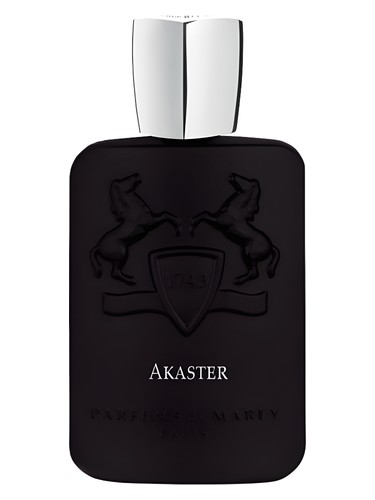
The first spray of Akaster is a study in contrasts—a fragrance that announces itself as unmistakably rose-forward while simultaneously refusing to play by the rules of traditional feminine florals. There''s an immediate sharpness here, a cypress-lemon opening that cuts through the air with the crisp clarity of a cold morning. But beneath that bright introduction lurks something deeper, darker, almost brooding. This is rose with an agenda, wrapped in aromatic intrigue and touched by the kind of woody richness that makes you question everything you thought you knew about Parfums de Marly''s approach to feminine perfumery.
Within moments, you realize Akaster isn''t here to charm—it''s here to challenge. The aromatic accord (rating at 93% in the composition) gives this fragrance an almost masculine swagger, while that dominant rose (100%) ensures it never strays too far from its floral foundation. It''s a tightrope walk between genres, and surprisingly, it works.
The Scent Profile
Akaster opens with cypress and lemon, a pairing that feels more Mediterranean garden than Parisian boudoir. The cypress brings a resinous, almost coniferous quality—green but not sweet, fresh but grounded. The lemon provides brightness without the typical citrus cheerfulness; instead, it''s sharp, almost medicinal in its clarity. Together, they create an opening that clears the palate, preparing you for what''s to come.
The heart is where Akaster reveals its true nature. Bulgarian rose takes center stage, but this isn''t the dewy, innocent rose of morning gardens. Paired with African geranium, the floral heart carries a green, slightly metallic edge—there''s a peppery quality to the geranium that amplifies the aromatic character and introduces the fresh spicy accord (81%) that runs through the composition. The rose here is full-bodied, almost wine-dark in its richness, with enough depth to stand up to what follows.
And what follows is fascinating. While the base notes aren''t fully specified in the official composition, the presence of oud as a major accord (73%) is unmistakable. This is where Akaster takes its most daring turn—the woody base (48%) carries that distinctive oud smokiness, adding shadows and complexity to what could have been a straightforward rose fragrance. The interplay between the floral heart and this woody-oud foundation creates a tension that keeps the fragrance interesting through its entire development, which lasts impressively through a full evening.
Character & Occasion
The seasonal data tells a clear story: Akaster is a cold-weather creature. With 100% suitability for fall and 91% for winter, this is not a fragrance for beach days or summer brunches. The oud and aromatic elements need cool air to truly shine, where they won''t become overwhelming. Spring rates at just 51%, and summer limps in at a mere 24%—save this one for when the temperature drops.
Interestingly, while marketed as feminine, the day/night breakdown (51% day versus 89% night) suggests Akaster truly comes alive after dark. There''s something about the oud and spice that feels better suited to dimmed lights and evening occasions than to boardroom meetings. This is a date-night fragrance, a statement piece for gallery openings or dinner parties where you want to be remembered.
Who is Akaster for? It''s ideal for those who find traditional rose fragrances too sweet or predictable, for the wearer who wants floral without feeling conventionally feminine. It attracts the bold, the experimenters, those who appreciate that the line between masculine and feminine in modern perfumery is more suggestion than rule.
Community Verdict
With a rating of 3.82 out of 5 from 434 votes, Akaster occupies interesting territory. It''s not a universal crowd-pleaser—that score suggests a fragrance with strong character that won''t appeal to everyone. The relatively robust voting pool indicates genuine interest and engagement, while the mid-to-high rating suggests quality execution with some divisiveness. This makes sense for a fragrance that takes risks. Those who love it seem to love it precisely because it defies easy categorization, while detractors likely find the masculine lean or oud presence at odds with their expectations of a Parfums de Marly feminine release.
How It Compares
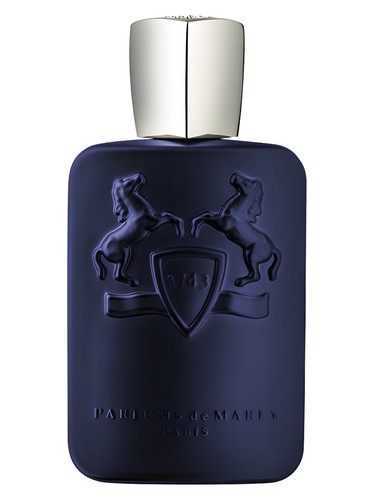
The list of similar fragrances is revealing: La Nuit de l''Homme, Oud Wood, Acqua di Giò Profumo, Oud for Greatness, and stablemate Layton. Notice something? Most of these are masculine or unisex fragrances. This positioning tells you everything about Akaster''s character—it shares more DNA with these darker, woodier compositions than with typical feminine roses.
Against Tom Ford''s Oud Wood, Akaster is brighter and more overtly floral. Compared to Initio''s Oud for Greatness, it''s less intense, more wearable. The connection to La Nuit de l''Homme comes through in that spicy-aromatic quality, while the comparison to Layton makes sense given their shared brand DNA and complexity.
The Bottom Line
Akaster represents Parfums de Marly at its most adventurous—a feminine fragrance that borrows liberally from masculine tropes without losing its identity. The 3.82 rating reflects its nature: this is a very good fragrance that won''t be everyone''s favorite, but will be someone''s signature. The presence of oud and the strong aromatic character mean you need to appreciate complexity and darkness in your florals.
Should you try it? Absolutely, if you''ve ever felt bored by rose fragrances or if you gravitate toward the more unisex end of the spectrum. If you already love any of the comparison fragrances but want something with a floral backbone, Akaster deserves your attention. However, if you prefer your roses soft, romantic, and traditionally feminine, this might not be your match.
At nearly a decade old (launched in 2015), Akaster has developed a quiet following among those who know. It''s not the showstopper in the Parfums de Marly lineup, but it might be the most intriguing feminine offering for those willing to explore its darker corners.
AI-generated editorial review