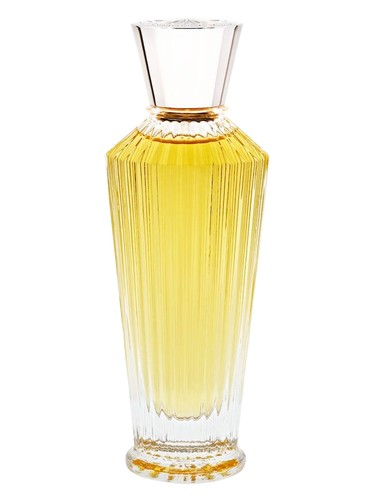
First Impressions
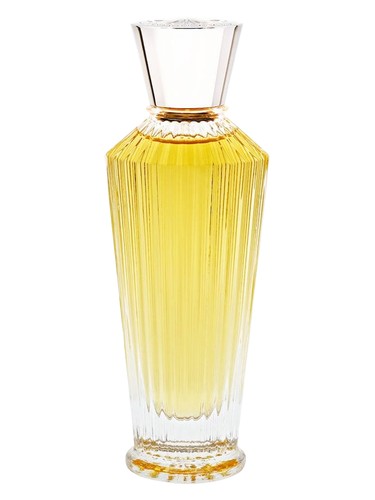
The first spray of Trayee feels like stepping through the carved doorway of a temple at dawn—air thick with ceremony, spices ground fresh for offerings, and the lingering ghost of last night''s incense still clinging to ancient wood. This is not a fragrance that whispers. Created by Neela Vermeire in 2012, Trayee announces itself with the confidence of ginger and cinnamon, their heat tempered by the unexpected brightness of black currant and the resinous snap of elemi. There''s basil too, adding an herbal sharpness that keeps the opening from collapsing into mere sweetness. It''s immediately clear this is a fragrance with ambition—a composition that aims to transport rather than simply adorn.
The warmth is immediate and unapologetic. At 100% on the warm spicy accord scale, Trayee doesn''t apologize for its intensity. Yet there''s sophistication in how these opening notes announce themselves: not a cacophony, but a carefully orchestrated introduction to something far more complex waiting beneath.
The Scent Profile
As Trayee settles into its heart, the composition reveals its true architecture. Cardamom and clove join the still-present cinnamon, creating a spice bazaar atmosphere that could overwhelm in lesser hands. But here, they''re anchored by sandalwood''s creamy whisper and punctuated by saffron''s golden, slightly metallic warmth. Jasmine threads through this spiced tapestry—not the indolic white flower bomb of classic French perfumery, but something more restrained, almost austere, its presence felt more than announced.
This heart phase is where Trayee earns its 51% woody and 49% aromatic ratings. The interplay between warm spices and aromatic woods creates a fascinating tension, neither fully oriental nor purely woody, but occupying that liminal space between categories that marks truly interesting perfumery.
The base is where devotion turns to obsession. Incense and myrrh create sacred smoke, while agarwood adds its distinctive medicinal-barnyard complexity. Amber and vanilla provide just enough sweetness to prevent the composition from becoming too austere, while Virginia cedar, vetiver, oakmoss, and patchouli construct a foundation of such depth and permanence that the fragrance seems to expand rather than diminish over time. At 47% amber and 34% balsamic, the dry down balances resinous richness with a subtle sweetness—think temple offerings rather than dessert.
Character & Occasion
The data tells a clear story: Trayee is a cold-weather companion par excellence. With 100% suitability for fall and 75% for winter, this is emphatically not a fragrance for sweltering summer days (a mere 27% summer rating confirms what the nose already knows). Spring, at 39%, represents the outer boundary of when you might comfortably wear this intensity.
Interestingly, the day/night split (73% day, 64% night) suggests remarkable versatility within its seasonal constraints. Unlike many intensely spiced fragrances that lean heavily evening, Trayee maintains enough aromatic freshness and complexity to work beautifully during daylight hours. Picture it worn to an autumn market, a winter museum visit, or wrapped around you during a cold-weather work day when you need armor that smells divine.
This is decidedly marketed as feminine, though the composition itself—with its emphasis on woods, spices, and incense—transcends such binary classifications. Anyone drawn to complex, warming, unapologetically rich fragrances will find something to love here.
Community Verdict
Here''s where the picture becomes frustratingly incomplete. Despite a solid 4.18 out of 5 rating from 590 voters—suggesting genuine appreciation from those who''ve encountered it—the broader community conversation appears curiously silent. No specific opinions emerged from the community data, no passionate defenses or detailed critiques, no discussion of performance or particular notes that sing or stumble.
This silence is itself telling. Trayee exists in that challenging space occupied by many niche releases: admired by those who discover it, but lacking the visibility or marketing muscle to generate sustained conversation. It''s the kind of fragrance that gets filed under "hidden gems" and "underrated masterpieces" in year-end lists, respected but not quite celebrated in the way more commercial releases command attention.
How It Compares
The comparison fragrances read like a who''s who of prestigious woody-spicy compositions: Amouage''s Lyric Woman, L''Artisan Parfumeur''s Timbuktu, Serge Lutens'' Fille en Aiguilles and Feminité du Bois, and Frederic Malle''s Portrait of a Lady. This is august company indeed—fragrances that helped define the modern woody-amber-spicy category for women.
Where Trayee distinguishes itself is in its specifically Indian inspiration, channeling temple rituals and subcontinental spice traditions in ways these other fragrances, for all their excellence, do not. It''s less overtly plush than Portrait of a Lady, more overtly spiced than Feminité du Bois, and more incense-forward than Timbuktu. Among these siblings, Trayee claims its own identity through sheer aromatic intensity and cultural specificity.
The Bottom Line
A 4.18 rating from nearly 600 voters represents solid appreciation—this is not a divisive fragrance, but rather one that delivers on its promise for those seeking exactly what it offers. The question is whether you''re seeking it.
Trayee demands certain conditions: cooler weather, an appreciation for intensity, comfort with fragrance that makes a statement. It also deserves a wearer who appreciates perfume as art rather than accessory, someone who finds beauty in complexity and isn''t chasing compliments so much as personal satisfaction.
The value proposition is complicated by limited availability—Neela Vermeire Creations operates at true niche scale—but for those who treasure unique, beautifully constructed fragrances that don''t smell like anything else in their collection, Trayee represents the kind of discovery that justifies the hunt. Sample first, absolutely, but if sacred smoke and precious spices speak to your soul, this pilgrimage is worth taking.
AI-generated editorial review