First Impressions
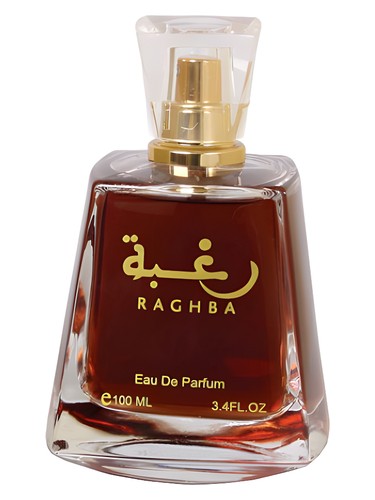
The first spray of Raghba feels like stepping into a Middle Eastern perfumery where vanilla pods have been steeping in amber resin for centuries. This isn''t the bright, ice-cream parlor vanilla of Western gourmands—it''s deeper, more complex, shrouded in wispy incense smoke. The sweetness announces itself immediately, unapologetic and enveloping, while something darker lurks beneath: a woody whisper that Lattafa would have you believe is oud. Within moments, your skin becomes a warm canvas for this amber-hued symphony, and you''re left wondering whether you''ve just discovered a budget miracle or simply a very good vanilla impostor wearing an Arabian disguise.
The Scent Profile
Raghba presents an interesting challenge for the reviewer: its specific note breakdown remains undisclosed, leaving us to navigate by the compass of its dominant accords alone. What emerges is crystal clear, however—this is vanilla''s show from curtain rise to final bow, registering at a perfect 100% intensity in its main accord profile.
The opening doesn''t waste time with citrus pleasantries or floral diversions. Instead, you''re immediately immersed in that signature sweetness (79% accord strength), thick and honeyed, with a balsamic quality (50%) that adds depth and prevents the composition from veering into cloying territory. The powdery aspect (55%) softens the edges, creating a texture that feels almost tactile—like cashmere dusted with confectioner''s sugar.
As the fragrance settles, the amber accord (55%) builds a golden foundation, radiating warmth that seems to increase with your body heat. Here''s where the controversy begins: the oud accord registers at 65%, a significant presence that should theoretically anchor the composition with that distinctive woody, animalic character beloved by oud purists. What you actually experience, however, is something more akin to a woody-incense hybrid—atmospheric and resinous, yes, but lacking the barnyard funk, the medicinal bite, or the complex leather facets that genuine agarwood brings to a composition.
The base continues this vanilla-amber embrace for hours, with impressive tenacity that belies its budget origins. That incense character persists throughout, creating an almost meditative quality that distinguishes Raghba from straightforward Western gourmands.
Character & Occasion
Raghba knows its calendar. This is emphatically a cold-weather companion, with winter registering at 100% suitability and fall close behind at 92%. The heavy vanilla-amber combination would feel suffocating in July humidity (summer clocks in at just 15%), but when temperatures drop and wool coats emerge from storage, Raghba comes into its element. Spring (26%) might accommodate it on cooler evenings, but this fragrance truly thrives when frost patterns windows.
The day-versus-night data tells a compelling story: while it maintains reasonable daytime wearability at 49%, Raghba truly transforms after sunset, soaring to 85% night suitability. That sweetness and depth feel most at home in dimmed lighting, whether you''re heading to dinner, an evening event, or simply want to feel cocooned in scented comfort during long winter nights.
Marketed as feminine, Raghba''s composition could easily be considered unisex by modern standards. The sweetness might skew traditionally "feminine," but the incense and supposed oud elements provide enough gravitas to work across gender boundaries for anyone drawn to gourmand-oriental hybrids.
Community Verdict
The Reddit fragrance community approaches Raghba with pragmatic appreciation tempered by honest skepticism, landing at a sentiment score of 6.5/10—decidedly mixed but leaning positive. Based on 27 opinions, a clear picture emerges: this is a fragrance people respect for what it is, not necessarily what it claims to be.
The praise centers on tangible strengths: that sweet, incense-y, gourmandy vanilla profile wins converts, particularly among those exploring Arabian perfumery. The value proposition resonates loudly—at its budget-friendly price point, Raghba delivers decent longevity and performance that would cost three to ten times more from European houses. It''s become a gateway fragrance for Arabian perfume exploration, accessible and forgiving.
The criticisms, however, cut straight to the identity crisis at Raghba''s heart. The debate over whether it contains genuine oud or synthetic aromachemicals isn''t merely academic—it''s the difference between authenticity and aspiration. The community consensus leans heavily toward the latter, with experienced oud aficionados finding it unsuitable for those seeking the real thing. Some find the sweetness overpowering or the overall composition off-putting, illustrating how polarizing this scent can be.
The community wisdom crystallizes around this: Raghba succeeds brilliantly as a gourmandy vanilla fragrance with Arabian styling, but fails as a legitimate oud experience. It''s best suited for budget-conscious buyers, vanilla-gourmand lovers, and those beginning their journey into Middle Eastern perfumery—not for serious oud collectors.
How It Compares
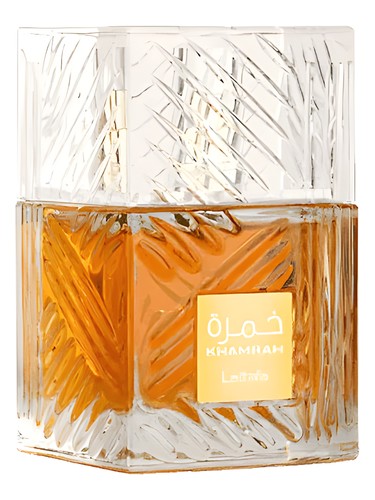
Raghba''s similarity profile places it in fascinating company. Its closest relative is Lattafa''s own Khamrah, suggesting a house style that favors this sweet-spicy-woody approach. The comparison to Maison Martin Margiela''s By the Fireplace makes sense given the incense-vanilla overlap, though MMM delivers a smokier, more literal interpretation.
The connections to Guerlain''s Shalimar and Mon Guerlain, plus Lancôme''s La Vie Est Belle, reveal Raghba''s true nature: this is a Middle Eastern riff on the vanilla-amber-sweet formula that has dominated feminine perfumery for decades. Where those European pillars cost $100-150, Raghba delivers a similar (if simpler) pleasure for a fraction of the price. It''s not as refined, not as nuanced, but the core satisfaction is comparable.
The Bottom Line
With 4,090 votes averaging 3.89 out of 5 stars, Raghba occupies that interesting space just above "good" but shy of "great"—exactly where an honest assessment would place it. This is competent perfumery punching well above its price point, delivering genuine wearing pleasure to those who understand what they''re actually getting.
Should you buy it? If you''re seeking authentic oud, look elsewhere—this isn''t that journey. But if you want a rich, sweet, incense-tinged vanilla fragrance that performs admirably through cold weather at a budget that won''t induce guilt, Raghba deserves consideration. It''s particularly valuable for perfume beginners building a collection without emptying their wallet, or for anyone who burned through their bottle of La Vie Est Belle and wants something similar with an exotic twist.
Raghba isn''t trying to revolutionize perfumery. It''s offering comfort, sweetness, and Arabian-inspired warmth at a price point that makes luxury accessible. In that modest but meaningful mission, it largely succeeds.
AI-generated editorial review