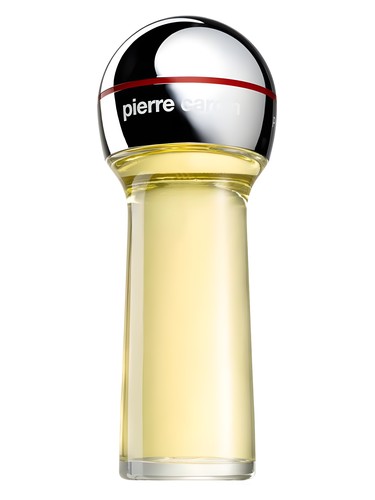
First Impressions
The first spray of Pierre Cardin Pour Monsieur feels like opening a leather-bound book in a sun-drenched study. There's an immediate brightness—citrus and lavender announcing themselves with the confidence of an era when men's fragrances didn't apologize for their presence. But beneath that crisp opening lies something darker, more complex: a whisper of basil's green herbaceousness, the promise of leather waiting in the wings. This is a fragrance from 1972, and it wears that pedigree openly. No focus-grouped safety here, no careful calibration to offend no one. Instead, Pour Monsieur presents a complete vision of masculinity: sharp yet warm, fresh yet grounded, aromatic in the truest sense of the word.
The Scent Profile
The opening movement belongs to the citrus and herbs. Lavender leads the charge, supported by a bright chorus of orange, bergamot, and lemon that creates a Mediterranean shimmer. But Pierre Cardin's perfumers weren't content with simple cologne territory—they tucked basil into this bouquet, adding an unexpected green, slightly peppery edge that keeps the opening from feeling predictable. This is where the fragrance's 100% aromatic accord and 91% fresh spicy character make themselves known, creating an intro that feels both barbershop-classic and subtly unconventional.
As the citrus begins its inevitable fade, the heart reveals Pour Monsieur's true personality. Sandalwood provides a creamy foundation, while carnation adds a spicy, clove-like facet that reads decidedly vintage—carnation was everywhere in '70s masculines but has largely disappeared from modern formulations. Then comes the leather, woven through with earthy patchouli and a touch of geranium's rosy-green character. This middle phase explains the fragrance's 96% warm spicy rating; it's where the composition gains weight and complexity, transforming from bright opening to substantial, skin-warming depth.
The base is where Pour Monsieur truly settles into its identity. Leather dominates, but it's softened and sweetened by a classic triumvirate: vanilla, tonka bean, and benzoin create an amber-inflected warmth (accounting for that 82% amber accord) while oakmoss adds the green, earthy backbone that marks this as a product of the pre-IFRA-restriction era. The result is a woody-amber-leather foundation that can last for hours, evolving from sharp and aromatic to smooth and comforting. Those base notes—particularly that oakmoss—are what vintage collectors seek out in older batches, knowing that modern reformulations can never quite recapture that mossy depth.
Character & Occasion
Pierre Cardin Pour Monsieur shows a clear seasonal preference, rating 100% for fall and 86% for winter. This makes perfect sense once you experience the fragrance: that warm spicy, amber-leather character needs cooler air to truly shine. In summer heat (only 44% seasonal affinity), the heavier base notes might feel oppressive, but when autumn arrives and the temperature drops, Pour Monsieur comes alive. Spring, at 74%, offers a middle ground—those brighter top notes can work on milder days, though you're still carrying substantial woody-amber depth.
The day/night split favors daytime wear at 91%, though its 79% night rating suggests respectable versatility. This isn't a club fragrance or a date-night seducer in the modern sense. Instead, it's the scent of a well-dressed man going about his day with quiet confidence—business meetings, lunch appointments, afternoon cultural events. The aromatic-citrus opening keeps it appropriate for professional settings, while the leather-amber base ensures you're not forgotten when you leave the room.
Community Verdict
The Reddit fragrance community rates Pierre Cardin Pour Monsieur with genuine affection, scoring it 7.5 out of 10 in sentiment across 45 opinions. What emerges from these discussions is a portrait of a fragrance appreciated more for what it represents than what it offers daily wearers today.
The pros are telling: users consistently describe it as a classic, timeless fragrance from the 1970s that served as a memorable first fragrance experience for multiple members. Vintage collectors actively seek it out, and there's widespread agreement that it possesses a distinctive character absent from modern releases. One gets the sense of people remembering a different era of perfumery—bolder, more unapologetic, less concerned with mass appeal.
The cons, however, are practical. Original batches are difficult to find, and several users noted that their tastes have changed since their original wearing experience decades ago. Limited modern availability means this has become more collector's item than daily driver for most enthusiasts. It's a fragrance to own for historical appreciation, for nostalgic occasions, for understanding what masculine perfumery once meant—but perhaps not your reach-for-every-day scent in 2024.
How It Compares
The similar fragrances list reads like a hall of fame: Azzaro pour Homme, Drakkar Noir, Obsession for Men, Guerlain's Vetiver, Terre d'Hermès. What Pour Monsieur shares with these classics is a commitment to a complete olfactive vision—no hedging, no playing it safe. Where Azzaro leans more aromatic-fougère and Drakkar goes harder on the leather-spice, Pour Monsieur finds middle ground: substantial but not aggressive, distinctive but not deliberately challenging. It lacks Terre d'Hermès's modern mineral refinement or Guerlain Vetiver's singular focus, but it offers something they don't: a time capsule of early-'70s elegance, complete with oakmoss and full-strength carnation.
The Bottom Line
With a 4.02 rating from 820 votes, Pierre Cardin Pour Monsieur sits comfortably in "very good" territory without reaching "masterpiece" status. That feels about right. This isn't a perfect fragrance, and its vintage character won't appeal to everyone raised on the aquatic-fresh or sweet-gourmand masculines of recent decades. But for those curious about fragrance history, for vintage collectors, or for anyone wondering what their grandfather might have worn to feel sophisticated in 1972, Pour Monsieur offers genuine value.
The challenge is finding it—original formulations appear sporadically on vintage fragrance sites and auction platforms, while modern reformulations (if you can locate them) likely lack the oakmoss richness that made the original compelling. If you do find a vintage bottle in good condition, expect to pay collector prices.
Who should seek this out? Vintage enthusiasts, certainly. Those looking to understand the aromatic-leather genre at its roots. Anyone who finds modern masculines too timid or focus-grouped. And perhaps most of all, those who remember wearing it decades ago and want to revisit a scent-memory of their younger selves. Just understand you're buying history as much as fragrance—and sometimes, that's exactly what you need.
AI-generated editorial review