First Impressions
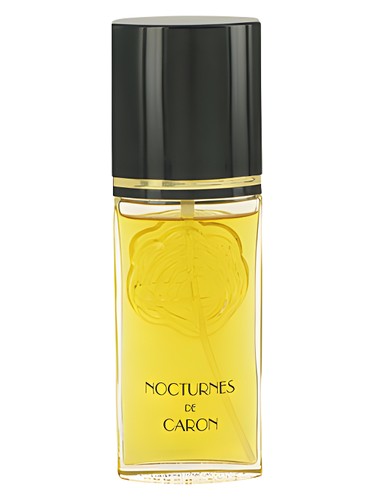
The first spray of Nocturnes de Caron unfolds like opening a powder compact from another era. There''s an immediate sparkle of aldehydes—that effervescent, champagne-bubble quality that defined elegance in the 1980s—but it''s softened almost instantly by the syrupy sweetness of neroli and the plush depth of rose tincture. This isn''t the aggressive aldehydic blast of some vintage powerhouses; rather, it''s a refined introduction, as if the fragrance is extending a gloved hand rather than announcing its presence from across the room. Orange adds a whisper of brightness, while the aldehydes create that classic, slightly soapy sophistication that reads as impeccably groomed rather than dated.
The Scent Profile
Nocturnes de Caron builds its architecture around a dominant white floral heart that registers at full intensity, supported by woody undertones (82%) and a surprisingly fresh citrus backbone (67%). The aldehydic quality (66%) pervades the composition, creating that vintage halo effect that devotees either adore or find too reminiscent of grandmother''s vanity.
The opening citrus-aldehydic cocktail gives way fairly quickly to the fragrance''s true personality: a lush trinity of ylang-ylang, tuberose, and jasmine. This is where Nocturnes reveals its 1981 heritage most clearly—these aren''t the scrubbed, modern interpretations of white florals. They''re full-bodied, slightly indolic, with that creamy richness that yellow florals (57% accord) bring to the composition. The tuberose in particular adds a buttery sensuality, while jasmine provides lift and transparency to prevent the heart from becoming too heavy.
What distinguishes Nocturnes from its more famous aldehydic relatives is the substantial woody-musky base. Vetiver provides an earthy, almost smoky foundation—unusual in a white floral composition and likely responsible for the fragrance''s notable wearability across cooler seasons. Sandalwood adds its characteristic creamy-woody smoothness, while musk rounds everything into a soft, skin-like finish. The base notes transform what could have been a purely decorative floral into something with real presence and longevity, grounding the florals in a way that feels both elegant and substantial.
Character & Occasion
The seasonal data tells a clear story: Nocturnes thrives in the transitional seasons, with fall ranking highest at 84%, followed closely by spring at 78%. This makes perfect sense given its structure—those white florals need some breathing room that winter''s heaviness doesn''t always allow, while the woody base would feel too substantial for most summer days (43%). Winter wear (54%) is certainly possible, particularly for those who enjoy florals year-round.
The day/night breakdown is particularly revealing: 100% of wearers approve it for daytime, while only 61% recommend it for evening. This positions Nocturnes as a refined, professional fragrance—the kind you''d wear to a sophisticated lunch, an art gallery opening, or a spring afternoon wedding. It''s polished without being overtly seductive, elegant without demanding attention.
This is a fragrance for those who appreciate the vocabulary of vintage perfumery but prefer their classics with a touch more restraint than Chanel No. 5 or Arpège offer. It speaks to the wearer who understands aldehydes as a design element rather than a dated affectation.
Community Verdict
The Reddit fragrance community''s sentiment registers as mixed, with a 6.5/10 score that reflects more absence than criticism. The 44 opinions analyzed reveal an intriguing pattern: those who own and wear Nocturnes express genuine affection for it, particularly as a winter and seasonal rotation piece. Its vintage 1920s-1930s New Orleans atmosphere draws specific praise, and owners appreciate its unique profile in a marketplace dominated by safer, more commercial offerings.
However—and this is the significant caveat—Nocturnes appears dramatically underrepresented in collector circles, especially when compared to Jazz Club and other vintage Caron fragrances. The fragrance is discontinued or extremely difficult to find, with community members noting missed releases like "Funfair Evening." This scarcity hasn''t translated into the cult status some discontinued fragrances achieve; instead, Nocturnes seems to exist in a quiet pocket of appreciation, beloved by the few who know it but largely forgotten by the broader vintage fragrance conversation.
How It Compares
Nocturnes sits comfortably alongside the heavy hitters of aldehydic florals: Arpège by Lanvin, Chanel No. 5 Parfum, First by Van Cleef & Arpels, Knowing by Estée Lauder, and Dune by Dior. Within this distinguished company, it occupies a middle ground—more approachable than No. 5''s abstract sophistication, woodier than First, fresher than the powdery density of Knowing. The Dune comparison is particularly apt; both feature unusual woody-fresh elements that distinguish them from purely decorative white florals.
Where Nocturnes distinguishes itself is in that vetiver-sandalwood base, which provides an earthiness that most of its aldehydic siblings lack. It''s less powdery than Arpège, less overtly luxurious than First, settling instead into comfortable elegance.
The Bottom Line
With a rating of 4.04/5 from 794 voters, Nocturnes de Caron achieves solid approval from those who''ve experienced it—a respectable score that reflects genuine quality without reaching masterpiece status. The challenge isn''t quality but availability and recognition.
This is a fragrance that deserves more attention than it receives. For vintage fragrance enthusiasts willing to hunt for it on the secondary market, Nocturnes offers a refined take on aldehydic white florals with enough woody depth to feel wearable by modern standards. It won''t revolutionize your collection, but it will provide a sophisticated, season-appropriate option that stands apart from contemporary releases.
Should you try it? If you already love the fragrances it''s compared to, if you appreciate vintage composition techniques, and if you''re patient enough to track down a bottle, absolutely. Just understand you''re joining a small, quiet circle of admirers rather than a vocal fan club—which, for some, is exactly the appeal.
AI-generated editorial review