First Impressions
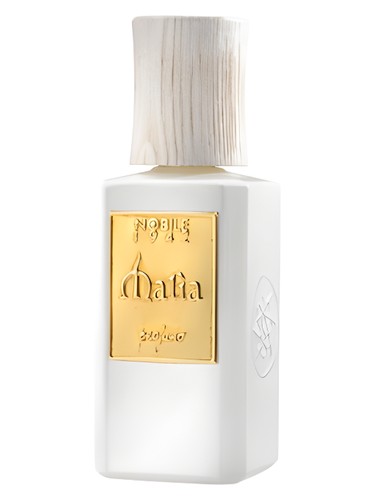
The first spray of Malia reveals something immediately disorienting—in the best possible way. This isn''t the crisp, translucent fruitiness of mainstream perfumery. Instead, imagine biting into sun-warmed apricots while crushing fresh marjoram between your fingers, a pink pepper mill grinding nearby. The mandarin orange announces itself not as a bright citrus flourish but as something denser, almost compote-like, while the fruity accord dominates with an intensity that borders on the hallucinogenic. There''s a warmth here from the opening moments, a velvety texture that clings to skin like autumn fog. This is fruit rendered in oil paint rather than watercolor—thick, layered, transportive.
The Scent Profile
Malia''s architecture reveals the careful hand of a perfumer unafraid of contradiction. Those opening fruity notes, which score a perfect 100% in the accord breakdown, share space with marjoram''s herbal bite (64% herbal accord) and pink pepper''s gentle heat (80% fresh spicy accord). This shouldn''t work—fruit and herbs rarely play well together—yet here they create something memorable, if admittedly challenging.
As the composition settles into its heart, osmanthus enters with its characteristic apricot-leather duality, amplifying that dense fruit quality while introducing a floral dimension (48% floral accord). The tobacco blossom adds a honeyed, slightly narcotic sweetness, while rose provides just enough traditional femininity to anchor the composition. Black pepper intensifies the spice accord established by its pink cousin, creating a warm prickle against the skin that prevents the sweetness from becoming soporific.
The base is where Malia reveals its earthy backbone. Oakmoss and vetiver contribute that 42% earthy accord, grounding the fruit in forest floor and roots. Patchouli adds its familiar depth without overwhelming, while benzoin provides a resinous sweetness that extends the fruity theme into the dry down. Musk wraps everything in a soft, skin-like embrace. This foundation transforms what could have been a simple fruity fragrance into something complex and witchy—a term the community uses repeatedly, and with good reason.
Character & Occasion
The data tells a clear story about Malia''s optimal habitat: this is quintessentially a fall fragrance (100%), though spring runs a close second at 88%. Those dense, velvety fruits and earthy base notes thrive in cooler weather, when that warmth becomes enveloping rather than cloying. Winter comes in at a respectable 55%, while summer—at 51%—suggests this might be pushing it for hot weather unless you''re drawn to bold, heat-defying choices.
Daylight strongly favors Malia, with 89% day wear versus 52% night. This isn''t a bombshell evening scent; rather, it''s the olfactory equivalent of a velvet blazer worn to a gallery opening or farmers market—distinctive, artistic, unconventionally beautiful. The community specifically mentions weddings and Halloween seasonal wear, which perfectly captures this duality: romantic yet slightly dark, feminine yet unconventional.
This is not a fragrance for someone seeking safe, crowd-pleasing wearability. It''s for those who''ve grown bored with typical fruity florals and want something that provokes questions rather than compliments.
Community Verdict
The Reddit fragrance community awards Malia a positive sentiment score of 7.8 out of 10 across 31 opinions—respectable enthusiasm tempered with recognition of its divisive nature. The broader rating of 3.8 out of 5 from 1,162 votes confirms this split: people either connect deeply with Malia or find it bewildering.
The pros are emphatic: reviewers praise its unique and distinctive fruity character that stands apart from typical offerings. That warm, dense, velvety fruit quality earns repeated mentions as memorable and transportive. Those building witchy or unconventional fragrance collections consider it an essential addition.
The cons are equally clear-eyed. This is challenging and unusual, requiring an open mind and adventurous spirit. Some perceive it as cloyingly sweet or jam-like—that density can tip into heaviness depending on skin chemistry and personal tolerance. It demands openness to unconventional scent profiles; approach Malia expecting a typical fruity floral at your peril.
Those who love it are enthusiastic enough to call it purchase-worthy despite—or perhaps because of—its polarizing nature.
How It Compares
The similar fragrances list reads like a masterclass in sophisticated, unconventional femininity: Amouage''s Sunshine Woman and Interlude Woman, Tom Ford''s Black Orchid, Serge Lutens'' Feminité du Bois, and Kenzo Jungle L''Elephant. These are fragrances that challenged norms, that asked women to embrace earthiness, darkness, and complexity.
Where Malia distinguishes itself is in that particular fruit treatment—less overtly oriental than the Amouages, less gothic than Black Orchid, less woody than Feminité du Bois. It occupies its own niche: the fruity fragrance for people who thought they hated fruity fragrances.
The Bottom Line
Malia represents Nobile 1942''s willingness to pursue a singular vision regardless of mass appeal. That 3.8 rating from over a thousand voters isn''t a failure—it''s a badge of authenticity. Fragrances that please everyone rarely please anyone intensely.
Should you try it? Absolutely, if you''re drawn to any fragrance in that comparison list, if you''ve ever described your aesthetic as "witchy," or if the phrase "velvety, dense fruit" sounds intriguing rather than alarming. Sample first—this isn''t a blind-buy fragrance unless you''re feeling particularly brave.
Skip it if you prefer your fruits bright and your florals traditional, or if "challenging" reads as a warning rather than an invitation.
For those it captivates, Malia becomes a signature scent, the fragrance that makes strangers ask "what are you wearing?" while you smile mysteriously and disappear into the autumn afternoon.
AI-generated editorial review