First Impressions
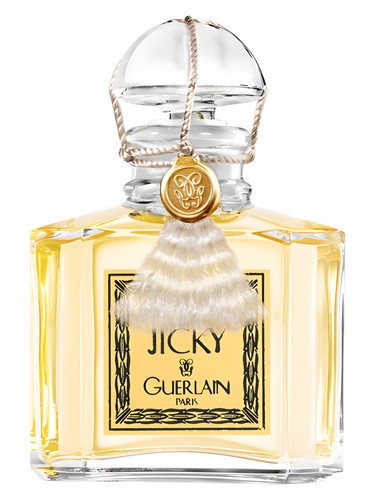
The first spray of Jicky is a collision of contradictions—a bracing burst of citrus and herbs that feels simultaneously refreshing and unsettling. Rosemary and bergamot leap forward with lemon and mandarin orange, creating an aromatic opening so assertive it announces itself before you''ve even processed what''s happening. This isn''t the polite introduction of a modern fragrance designed for mass appeal. This is a handshake that grips too firmly, a voice that speaks too loudly in a quiet room. Within moments, you''ll understand why Jicky has survived for generations not through universal love, but through the fierce loyalty of those who "get it" and the bewildered rejection of those who don''t.
The Scent Profile
Jicky''s architecture reveals itself as a masterclass in tension. Those citrus and aromatic top notes—dominated by rosemary''s green sharpness alongside bergamot, lemon, and mandarin orange—establish an herbaceous freshness that feels almost classical in its approach. But this clarity doesn''t last.
The heart is where Jicky earns its reputation as a challenging fragrance. Lavender arrives with unexpected force, joined by the sweet, hay-like warmth of tonka bean and the powdery elegance of orris root. Basil adds an herbal green quality while jasmine contributes white floral brightness, and here''s where things get interesting: ethylvanillin, one of the early synthetic molecules that made Jicky revolutionary, begins to blur the lines between natural and constructed beauty. This is the fougère structure showing its bones—aromatic, fresh spicy, touched with lavender—but there''s something else lurking beneath.
The base notes bring forth the controversy. Vanilla and leather create a foundation that should be comforting but instead feels provocative. Spices, benzoin, sandalwood, amber, and Brazilian rosewood build a warm, resinous structure, but the overall effect—particularly in vintage formulations—carries those infamous animalic notes that inspire either devotion or disgust. This is where the "musky," "skunky," even "saliva-like" comparisons emerge from detractors, while fans find complexity and depth that modern perfumery has sanitized away.
Character & Occasion
The data tells an interesting story about Jicky''s versatility. It performs best in fall (76%) and spring (72%), those transitional seasons where the weather can''t quite make up its mind—fitting for a fragrance that refuses to be easily categorized. Summer and winter both clock in at roughly 50%, suggesting Jicky can work year-round for the committed wearer, though it might challenge in temperature extremes.
The day/night split is revealing: 100% suitable for daytime wear, but only 46% for evening. This isn''t a seductive night-out scent; it''s a statement fragrance for daylight hours when its aromatic and citrus qualities (73% citrus accord) can shine without overwhelming. The fresh spicy (81%) and lavender (66%) accords make it surprisingly appropriate for professional settings, assuming your colleagues appreciate olfactory adventure.
As for who should wear it? The gender designation says feminine, but Jicky''s devoted fans know better. This is a unisex fragrance in the truest sense, with its aromatic fougère structure (100% aromatic accord) traditionally associated with masculine perfumery, balanced by vanilla (62%) and woody (50%) accords that add warmth without veering too sweet.
Community Verdict
The Reddit fragrance community''s mixed sentiment (6.5/10) perfectly captures Jicky''s divisive nature. Based on 34 opinions, the conversation splits into passionate camps.
The admirers praise its complexity and masterful blending, noting the impressive longevity that allows Jicky to evolve throughout the day. They recognize its historical significance as one of the first modern perfumes to blend natural and synthetic ingredients, fundamentally changing what perfumery could be. Vintage fragrance enthusiasts and collectors seek out older bottles, particularly those with the animalic civet notes that have been largely reformulated away. Some devotees wear it weekly as a signature scent.
The critics, however, don''t mince words. The strong animalic and musky notes are described as "offensive" and "unpleasant." Comparisons to bathroom cleaners, saliva, and other undesirable references appear repeatedly. The sentiment is clear: if you''re sensitive to challenging fragrances or prefer crowd-pleasers, Jicky will likely repel rather than attract. Even fans acknowledge that modern reformulations lack the "skunky" quality of vintage versions—a loss mourned by some, celebrated by others.
How It Compares
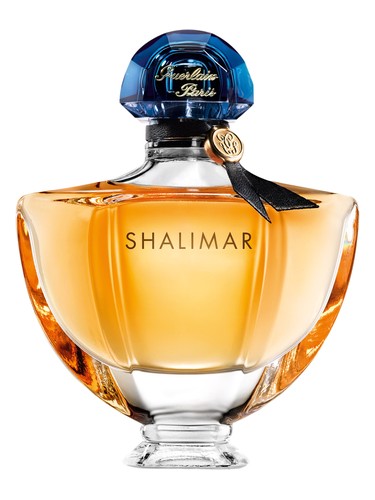
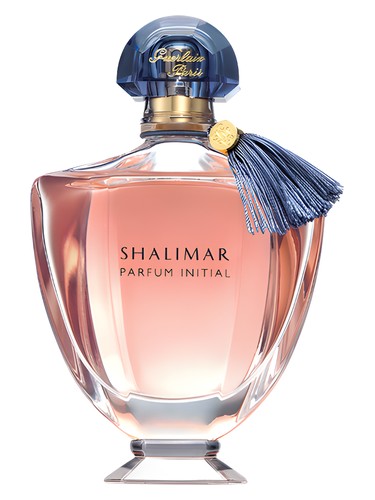
Jicky''s DNA runs through Guerlain''s greatest hits. Shalimar Eau de Parfum and Shalimar Parfum Initial share that vanilla-amber-citrus foundation, though they lean sweeter and more overtly sensual. L''Heure Bleue offers Guerlain''s powdery elegance with less confrontation. Stepping outside the house, Serge Lutens'' Ambre Sultan and Kenzo Jungle L''Elephant occupy similar territory—complex, vintage-spirited, unapologetically challenging.
What sets Jicky apart is its pioneering status and its refusal to evolve with trends. Where other fragrances have been reformulated into submission, Jicky maintains enough of its original character to still divide rooms.
The Bottom Line
A 4.15/5 rating across 2,771 votes suggests something remarkable: despite polarizing individual reactions, there''s widespread respect for what Jicky represents. This isn''t a fragrance for sampling at department stores between vanilla gourmands and fresh aquatics. It demands context, patience, and ideally, access to multiple formulations.
Should you try it? Yes, if you appreciate perfume history and don''t mind the possibility of immediate rejection. Yes, if you''ve exhausted mainstream options and crave something with genuine personality. Yes, if you''re building a collection of important fragrances rather than simply pleasant ones.
Skip it if you''re sensitive to animalic notes, prefer universally appealing scents, or want something safe for every occasion. Jicky doesn''t do safe. It does important, complex, and unforgettable—for better or worse.
AI-generated editorial review