First Impressions
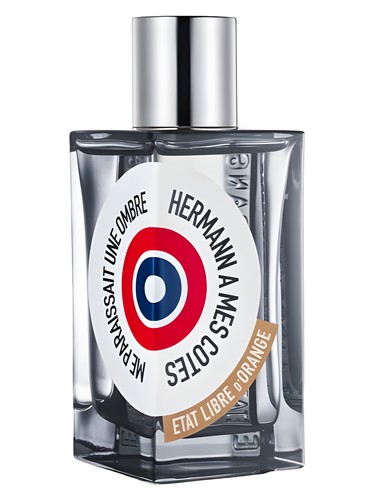
The name alone—Hermann à mes Côtés me Paraissait une Ombre, or "Hermann at my side seemed like a shadow"—reads like a line pulled from forgotten French literature, and the fragrance opens with equal mystery. That first spray delivers something unexpected: a rose that's been buried underground and excavated centuries later. The pepperwood and galbanum create an almost mineral greenness, sharp and uncompromising, while black currant adds a tart fruitiness that keeps the opening from becoming too austere. This isn't the rose you're expecting. It's a rose with dirt under its fingernails, a rose that knows secrets.
The Scent Profile
The opening salvo of pepperwood (Etat Libre d'Orange's proprietary note) brings an aromatic spiciness that feels both modern and ancient. Galbanum's bitter green resin cuts through with surgical precision, while black currant provides just enough jammy sweetness to prevent the top from feeling entirely forbidding. These notes circle each other warily, creating tension rather than harmony—and that's precisely the point.
Then comes the heart, and here's where this fragrance reveals its true character. Rose oil blooms, but it's accompanied by geosmin—that distinctive compound that gives earth its smell after rain, that petrichor sensation that's simultaneously comforting and alien. This is where Hermann truly distinguishes itself. The rose doesn't float prettily on air; it's rooted deeply in soil, surrounded by the mineralic coolness of geosmin and the resinous smoke of olibanum. The effect is disorienting in the best way—simultaneously floral and geological, romantic and strange.
The base extends this earthy-ambery character for hours. Ambroxan provides that enveloping warmth that reads as the dominant amber accord (registering at 100% in community perception), while patchouli and vetiver deepen the earthiness established by the geosmin. Calypsone, a woody-ambery molecule, adds modern longevity and projection. The result is a fragrance that maintains its dualistic nature all the way through: simultaneously grounded and ethereal, rose and stone, shadow and substance.
Character & Occasion
With its perfect 100% rating for spring and near-perfect 94% for fall, Hermann reveals itself as a transitional fragrance—one that thrives in those liminal moments when seasons shift. Spring's dampness and emerging greenery find perfect expression here, as does autumn's melancholic descent into earth and decay. Summer wears it well at 63%, particularly on cooler evenings or in air-conditioned spaces, though the aquatic accord (74%) provides surprising freshness even in warmth. Winter, at 42%, is this fragrance's least natural habitat—it lacks the heavy comfort winter wardrobes typically demand.
The day/night split (90% day, 55% night) tells an interesting story. This is primarily a daytime rose, but not the cheerful garden variety. It's contemplative, intellectual, suited to museum visits, walks in botanical gardens, or afternoons spent reading. The night wearability exists but feels more niche—perhaps for those who want to bring something unexpected to evening occasions, something that whispers rather than announces.
Marketed as feminine, Hermann has that gender-fluid quality that characterizes much of Etat Libre d'Orange's catalog. Anyone drawn to unconventional florals, earthy compositions, or literary references will find something to love here.
Community Verdict
With a 4.02 rating from 3,781 votes, Hermann occupies interesting territory—beloved by many, but not universally. This isn't a safe, crowd-pleasing fragrance, and that polarization is part of its appeal. The rating suggests a perfume that rewards curiosity and patience. Those who connect with its earthy-rosy character tend to become devoted admirers, while others may find the geosmin accord too unusual or the composition too dry. The substantial vote count indicates this isn't a forgotten footnote in the Etat Libre d'Orange catalog—it's a fragrance that continues to find its audience years after its 2015 release.
How It Compares
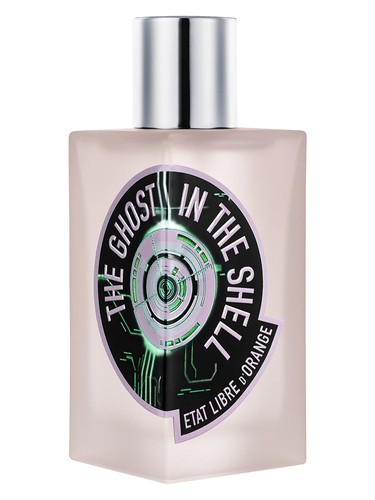
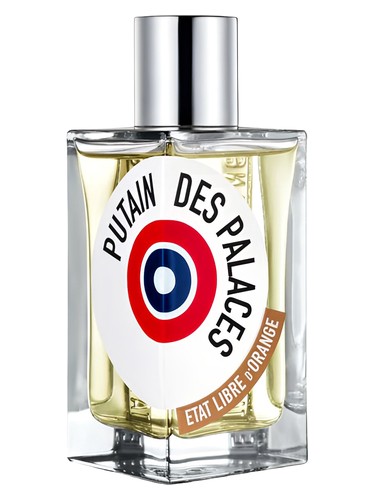
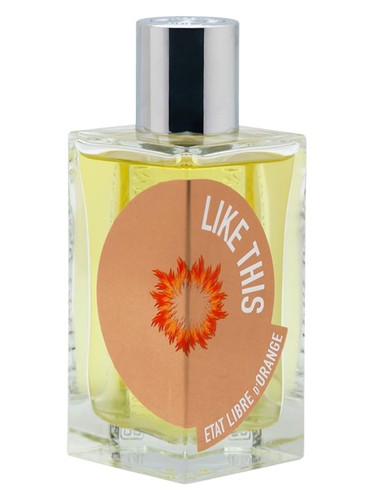
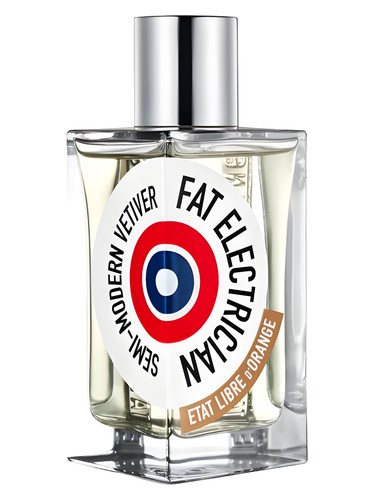
The comparison to Portrait of a Lady by Frederic Malle makes perfect sense—both are unconventional rose fragrances that refuse traditional prettiness. Where Portrait leans into patchouli and incense darkness, Hermann takes the earthier, more aquatic path. The connection to Black Orchid and Black Afgano points to shared DNA in the dark-floral-earthy family, though Hermann feels considerably lighter and more wearable than either. The resemblance to stablemate Experimentum Crucis suggests shared molecular architecture, that distinctively cerebral Etat Libre d'Orange approach to composition. Among these comparisons, Hermann carves out unique territory with its geosmin signature—no other fragrance in this cohort captures quite the same petrichor-rose combination.
The Bottom Line
Hermann à mes Côtés me Paraissait une Ombre isn't trying to be your everyday fragrance. It's too strange, too literary, too committed to its concept for universal appeal. But for those who find conventional rose fragrances boring or overly romantic, this offers a compelling alternative—a rose that remembers its roots in soil and stone. The 4.02 rating reflects honest appreciation from a community that values innovation, even when it challenges expectations.
This is a fragrance for readers, thinkers, and anyone who finds beauty in contradiction. It's for those spring mornings when the air smells like rain-soaked earth, for autumn afternoons when light slants golden through falling leaves. If you've ever wanted a rose that feels like archaeology, like excavating something ancient and precious, Hermann deserves a place on your sampling list. Just don't expect it to behave like other roses—that shadow at your side has its own mysterious agenda.
AI-generated editorial review