First Impressions
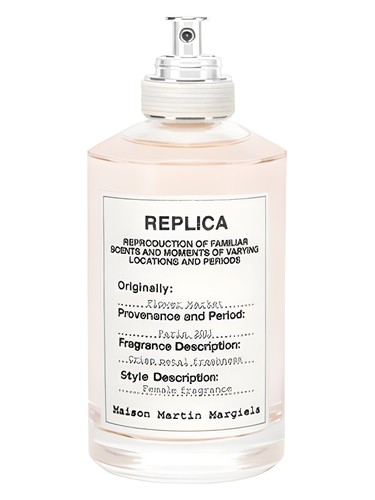
The first spray of Flower Market arrives with the sweet shock of sugared strawberries rather than the expected dewy petals its name might suggest. This is where Maison Martin Margiela''s 2012 creation begins to reveal its peculiar duality—a fragrance that promises one experience in its marketing and note pyramid, yet delivers something altogether different on skin. The opening is unabashedly sweet, almost confectionery in nature, with only whispers of the freesia and green leaves listed in its top notes. Instead, you''re greeted by what the community has aptly described as a gourmand assault, setting the stage for a fragrance that seems perpetually at odds with itself.
The Scent Profile
According to its composition, Flower Market should unfold as a classic white floral narrative. The top notes of freesia and green leaves suggest a fresh, botanical introduction—the scent of stepping into a florist''s cooler on a spring morning. Yet that sugared strawberry note dominates immediately, creating a dissonance between expectation and reality.
As the fragrance settles, the heart notes finally emerge: tuberose, jasmine sambac, Egyptian jasmine, and rose de mai. This is where Flower Market attempts to live up to its 100% white floral and 57% tuberose accords. The tuberose here carries that characteristic creamy, almost narcotic quality, while the dual jasmine varieties should provide both freshness and indolic depth. The rose de mai adds a sophisticated, slightly green rose character. Together, these should create that animalic quality (rated at 20% in the accord profile)—that skin-like warmth white florals are known for.
But here''s where the fragrance''s identity crisis deepens. Rather than allowing these prestigious florals to shine, the composition continues its sweet trajectory into the base. Peach, oakmoss, and cedar form the foundation, though what actually manifests is what wearers describe as warm caramel and toffee vanilla—notes that don''t appear in the official pyramid at all. The oakmoss and cedar, theoretically grounding elements that should provide earthiness and structure, are barely detectable according to community feedback. The patchouli that should add depth remains similarly elusive.
Character & Occasion
The data tells a clear story about Flower Market''s ideal habitat: this is a spring fragrance first and foremost (100%), with strong summer viability (63%), dropping dramatically for fall (13%) and winter (8%). Yet this seasonal profile contradicts the community experience, where wearers consistently note that the heavy, sweet composition feels better suited to cooler weather. This disconnect between the fragrance''s fresh floral intentions and its gourmand execution creates practical confusion.
As a daytime scent (86% day versus just 8% night), Flower Market positions itself as an accessible, wearable option for casual settings. The feminine designation and white floral dominance suggest it''s aimed at those who appreciate the classic French perfumery tradition, yet the sweet gourmand twist feels more aligned with contemporary mass-market preferences.
This fragrance finds its audience among sweet fragrance lovers who might actually prefer the caramel drydown to a true white floral experience. It''s for those moments when you want something that sounds sophisticated (white florals, Maison Martin Margiela cachet) but wears more like comfort food for the skin.
Community Verdict
With a rating of 3.69 out of 5 from 1,968 votes, Flower Market sits firmly in "it''s complicated" territory, and the Reddit community''s mixed sentiment (6.5/10) reflects this ambivalence. Based on 13 opinions, the feedback reveals a fragrance that works despite itself rather than because of its design.
The praise centers on that warm caramel and toffee vanilla base—the very element that has nothing to do with flower markets at all. Wearers appreciate it as a smoother, more wearable alternative to other sweet fragrances, and notably, many consider it good value for the price point, suggesting budget-conscious shoppers might overlook its compositional chaos for the pleasant drydown.
The criticisms, however, are significant. The overly sweet profile triggers headaches for some wearers—never a good sign. Multiple reviewers note that the complex note structure feels disjointed, which tracks with the disconnect between listed notes and actual experience. The patchouli and citrus elements are barely detectable, suggesting either reformulation issues or a composition where elements simply don''t integrate well. Perhaps most damning for a fragrance with such strong spring-summer seasonal indicators: it''s considered too heavy for warm weather.
How It Compares
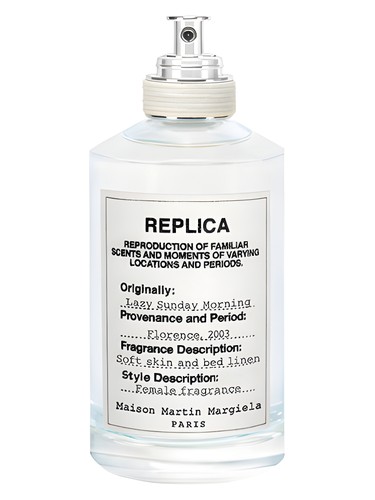
Flower Market finds itself in prestigious company with its similar fragrances: J''adore by Dior, Alien by Mugler, Pure Poison by Dior, Chloé Eau de Parfum, and its own sibling, Lazy Sunday Morning by Maison Martin Margiela. These are pillars of modern feminine perfumery, which makes Flower Market''s sweeter, more gourmand interpretation both interesting and problematic.
Where J''adore offers crystalline floral elegance and Chloé presents powdery rose sophistication, Flower Market veers into dessert territory. It''s the fragrance equivalent of ordering a salad and receiving crème brûlée—pleasant perhaps, but not quite what you signed up for.
The Bottom Line
Flower Market is a fragrance with an identity crisis that some wearers have learned to appreciate on its own confused terms. At 3.69 out of 5, it''s neither a disaster nor a triumph—it simply exists in that vast middle ground of "perfectly fine if you know what you''re actually getting."
Should you try it? If you''re drawn to the idea of white florals but secretly prefer sweet gourmands, this might be your gateway fragrance. The value proposition makes it worth sampling for those building a collection on a budget. But if you''re seeking a true flower market experience—that green, fresh, petal-strewn authenticity—you''ll want to shop elsewhere. This is a candy store masquerading as a florist, and while the confections it offers are pleasant enough, they''re rarely what the sign outside promises.
AI-generated editorial review