First Impressions
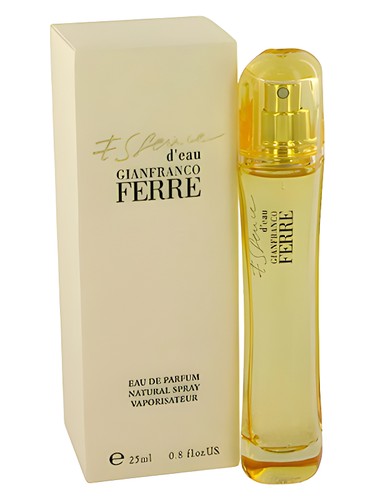
The first whisper of Essence d''eau arrives like sunlight filtering through lace curtains—delicate, yet undeniably present. That initial spray delivers an unexpected trinity: the creamy sweetness of orange blossom, the powder-soft caress of violet, and a fleeting burst of blackberry that adds just enough intrigue to keep you guessing. It''s a peculiar opening, this marriage of fruit and flower, yet within moments it settles into something remarkably cohesive. There''s an old-world femininity here, the kind that speaks to vintage vanities and handwritten letters, but with a quiet modernity that prevents it from feeling dated. This is not a fragrance that announces your arrival; it''s one that lingers in your wake, leaving others wondering what that lovely scent was.
The Scent Profile
Essence d''eau unfolds with the patience of a proper floral composition, taking its time to reveal each layer. Those opening notes—orange blossom leading the charge with violet''s powdery softness and blackberry''s tart sweetness—create an intriguing tension between the fresh and the gourmand. The blackberry, unexpected in a white floral, adds a juicy dimension that keeps the composition from veering into overly serious territory. The violet brings its characteristic green-tinged dustiness, that old-fashioned quality that somehow feels utterly charming rather than antiquated.
As the fragrance settles into its heart, the true character emerges: a triumvirate of narcissus, jasmine, and rose that creates the dominant white floral accord responsible for its reputation. The narcissus adds a slightly honeyed, almost narcotic sweetness, while jasmine brings its indolic richness—not the heavy, syrupy jasmine of some orientals, but a more restrained interpretation. Rose weaves through as the grounding element, its presence felt more than shouted. This is where Essence d''eau earns its yellow floral designation as well, with that narcissus contributing a warmth that complements the cooler white flowers.
The dry-down is where comfort takes center stage. Amber, vanilla, and musk form a soft, enveloping base that wraps those florals in a powdery embrace. The amber brings a golden warmth without heaviness, while vanilla adds sweetness that never crosses into gourmand territory. Musk provides the skin-like quality that makes this feel intimate, personal. This base accord explains the 59% powdery rating—it''s a vintage-leaning finish that evokes the classic French perfumes of decades past, but executed with enough restraint for contemporary sensibilities.
Character & Occasion
The data tells a compelling story about Essence d''eau''s versatility. With fall claiming 79% preference, this is clearly a fragrance that thrives in cooler weather, when its warmth can fully bloom without becoming cloying. Spring follows at 63%, which makes perfect sense—there''s something inherently vernal about white florals, that sense of gardens coming into bloom. Even winter, at 58%, proves welcoming to this scent''s amber-vanilla base. Only summer shows hesitation at 38%, and rightfully so; this isn''t a fragrance built for heat and humidity.
The day-to-night ratio reveals even more: 100% day-appropriate, with 53% finding it suitable for evening wear. This is quintessentially a daytime fragrance, perfect for office environments, lunch appointments, or casual weekend wear where you want to feel polished without being overwhelming. That it translates reasonably well to evening occasions speaks to its sophistication—throw on a silk blouse and suddenly those same florals feel elegant enough for dinner.
This is a fragrance for women who appreciate classic beauty but don''t want to smell like everyone else. It suits those who find modern sweet fragrances cloying but don''t want to retreat entirely into austere territory. The ideal wearer is confident enough not to need attention-grabbing sillage, preferring instead the quiet pleasure of a well-composed scent that reveals itself slowly.
Community Verdict
With a rating of 3.84 out of 5 from 408 voters, Essence d''eau occupies that interesting middle ground: not a blockbuster hit, but clearly resonating with those who discover it. This isn''t a fragrance that polarizes; rather, it seems to earn consistent appreciation from its audience. The relatively modest number of reviews suggests it flies somewhat under the radar—a hidden gem rather than a mainstream favorite. For certain wearers, that obscurity is part of the appeal. You''re unlikely to encounter someone else wearing this at any given event, which in today''s fragrance landscape feels increasingly valuable.
How It Compares
The comparisons to Poème by Lancôme and Samsara by Guerlain are particularly telling, placing Essence d''eau squarely in the tradition of sophisticated French florals. Like Poème, it embraces a creamy, romantic floral profile without excessive sweetness. The Samsara comparison points to that amber-vanilla warmth in the base. References to Sicily by Dolce&Gabbana and Coco by Chanel suggest the white floral lineage, while LouLou by Cacharel hints at the vintage-leaning powdery elements. Among these illustrious companions, Essence d''eau distinguishes itself through that unusual blackberry accent and its overall restraint—it''s perhaps the most wearable of the group for modern tastes, less heavy-handed than Samsara, less dramatic than Coco.
The Bottom Line
Essence d''eau deserves more attention than it receives. This is beautifully constructed white floral perfumery that respects traditional composition while maintaining accessibility. At a rating just shy of 4 out of 5, it''s clearly doing something right for those who encounter it—the challenge is simply finding it in an increasingly crowded marketplace dominated by newer launches.
For vintage floral enthusiasts seeking something less ubiquitous than the usual suspects, this merits exploration. If you''ve loved the fragrances it''s compared to but want something with a contemporary edge, try Essence d''eau. Those who appreciate orange blossom''s creamy sweetness, who find comfort in powder-soft florals, and who want a signature scent that won''t be recognized at every turn—this is worth your time. It may not be revolutionary, but sometimes elegance doesn''t need to be.
AI-generated editorial review