First Impressions
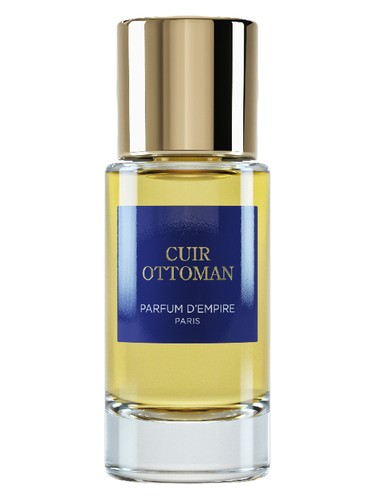
The first spray of Cuir Ottoman transports you somewhere unexpected—not to the raw, saddle-worn leather of a Western tannery, but to an Ottoman palace draped in amber-hued silks. There''s an immediate softness here, a powdered iris that blooms alongside Egyptian jasmine, both nestled into a honeyed labdanum that announces the fragrance''s amber dominance from the very start. This isn''t leather that bites; it''s leather that caresses. The opening whispers rather than shouts, establishing a refined femininity that refuses to apologize for its opulence.
What strikes you within those first moments is the completeness of the composition. This is clearly a parfum concentration—rich, fully realized, and present without overwhelming. The iris brings its aristocratic powder, the jasmine its indolic warmth, and the labdanum its resinous sweetness, creating an opening that manages to be both pristine and sensual, like a freshly drawn bath scented with precious oils.
The Scent Profile
As Cuir Ottoman settles into its heart, the leather accord makes its proper entrance—but this is leather reimagined through an oriental lens. Rather than the stark, quinoline-sharp leather of certain Western compositions, this leather is softened and sweetened by a triumvirate of balsamic resins: tolu balsam, benzoin, and styrax. These materials create a plush, almost velvety texture that wraps around the skin like suede gloves lined with cashmere.
The leather here reads as more of an impression, a memory of leather rather than its literal recreation. It''s the scent of a leather-bound book in a library perfumed with incense, or the interior of an antique trunk filled with vanilla-scented sachets. The tolu balsam adds a cinnamon-tinged warmth, while benzoin contributes its characteristic vanillic sweetness and the styrax brings a subtle smokiness that prevents the composition from becoming too confectionery.
The base notes anchor this oriental tapestry with an incense accord that smolders rather than smokes, vanilla that enriches without turning gourmand, and tonka bean that adds its hay-like, almond-adjacent warmth. The progression is seamless—less a traditional pyramid structure and more a gradual deepening, like watching amber resin melt and pool. The powdery quality persists throughout, softening every edge, while the amber accord—dominating at 100%—bathes everything in its golden glow.
Character & Occasion
Cuir Ottoman is unequivocally a cold-weather companion. The data confirms what the nose knows: this is a fragrance that thrives in fall (100%) and winter (89%), when its warmth and density feel like necessity rather than excess. In spring, it maintains some relevance (39%), particularly on cooler days or evenings, but summer (14%) is where this perfume would feel out of place, its rich balsamic nature too heavy for heat and humidity.
The day-to-night versatility (70% day, 80% night) speaks to its sophistication. This is polished enough for professional settings, particularly creative or upscale environments where a distinctive signature is appreciated rather than frowned upon. But it truly comes alive in the evening—at dinner parties, gallery openings, or any occasion where you want to leave a memorable, luxurious impression without resorting to obvious seduction.
Despite its feminine classification, Cuir Ottoman inhabits that rarefied territory where gender becomes increasingly irrelevant. Anyone drawn to rich, amber-dominant orientals with a leather facet will find something to love here. It suits those who appreciate complexity and aren''t afraid of wearing their refinement openly.
Community Verdict
With a rating of 4.25 out of 5 from 1,588 votes, Cuir Ottoman enjoys genuine community affection. This isn''t a niche curiosity with a handful of devotees—it''s a well-tested, broadly appreciated fragrance that has earned its reputation over nearly two decades since its 2006 launch. That rating places it firmly in "excellent" territory, suggesting a composition that delivers on its promises and wears well across different skin chemistries and preferences.
The substantial vote count lends credibility to that rating. This isn''t inflated by a small group of fans; over fifteen hundred people have weighed in, and the consensus remains strongly positive. For a niche fragrance at parfum concentration, that''s noteworthy engagement.
How It Compares
The comparison list reads like a greatest-hits collection of amber and oriental perfumery: Shalimar, Ambre Sultan, Coromandel. This is elevated company, and Cuir Ottoman holds its own by offering something these classics don''t—a specifically leather-oriented interpretation of the amber family. Where Shalimar leans citrus-vanilla, and Ambre Sultan goes herbal-resinous, Cuir Ottoman stakes its claim in the powdery-leather quadrant.
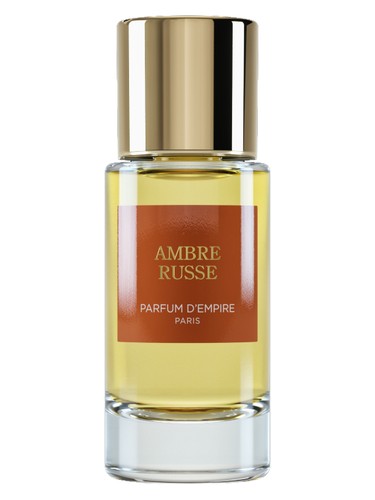
Its closest sibling, Ambre Russe (also from Parfum d''Empire), shares the house''s gift for blending Eastern and Western sensibilities, though Ambre Russe reportedly goes harder on the incense and spice. Cuir Ottoman is arguably the more approachable, wearable option of the pair, with its iris-softened edges and generous vanilla base.
The Bottom Line
Cuir Ottoman succeeds brilliantly at what it sets out to do: create a leather fragrance that feels luxurious rather than austere, warm rather than sharp, feminine without being overtly floral. The parfum concentration ensures longevity and presence without requiring reapplication, making the investment more justifiable despite niche pricing.
This is a fragrance for those who''ve graduated beyond the ubiquitous and want something with depth, history, and genuine artistry behind it. If you love amber orientals but find them sometimes one-dimensional, or if you''re curious about leather fragrances but intimidated by their typical austerity, Cuir Ottoman offers the perfect bridge. It''s refined enough for the boardroom, seductive enough for evening, and complex enough to reward years of wearing. Nearly twenty years after its creation, it remains utterly relevant—a testament to Pierre Bourdon''s compositional skill and Parfum d''Empire''s commitment to quality over trends.
AI-generated editorial review