First Impressions
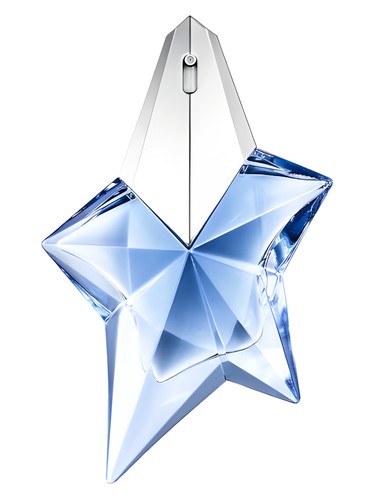
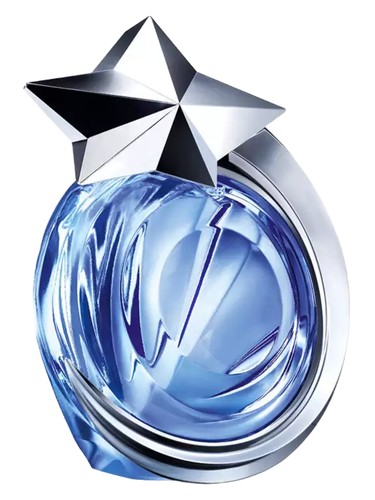
The first spray of Angel Eau de Toilette announces itself with a gentle contradiction: the bright snap of pink pepper married to bergamot''s citrus clarity, creating an opening that feels surprisingly approachable for a flanker of perfumery''s most polarizing icon. Where the original Angel descended from the heavens like a sugar-dusted meteor, this 2011 reinterpretation floats down on gossamer wings. The sweetness arrives immediately—make no mistake, this is Angel through and through—but it''s been diffused through a prism of light, the edges softened, the intensity dialed to a frequency that won''t clear rooms or command total surrender.
There''s an immediate accessibility here that explains its impressive 4.06 rating across nearly 3,800 votes. This is Angel for those who found the original too much, or perhaps Angel for a Tuesday afternoon rather than a Saturday night.
The Scent Profile
The opening phase delivers exactly what those top notes promise: pink pepper provides a delicate spiciness that tickles rather than bites, while bergamot contributes a fleeting brightness that attempts—though doesn''t quite succeed—to cut through the inevitable sweetness barreling toward you. These notes are brief ambassadors, lasting perhaps fifteen minutes before the heart makes its intentions clear.
The transition to red berries and praline is where Angel Eau de Toilette establishes its own identity within the Angel dynasty. The red berries bring a jammy, slightly tart fruitiness that reads as modern and youthful—this is the fruity accord registering at 57% in the composition''s DNA. But it''s the praline that becomes the beating heart of this fragrance, a caramelized nuttiness that bridges the gap between fruit and the gourmand base waiting below. This isn''t the face-melting sweetness of the original; it''s more like catching the scent of someone else''s dessert from across the café rather than having your nose pressed directly into the plate.
As the fragrance settles into its base—and it takes a good two hours to fully arrive—the legendary Angel architecture reveals itself. Patchouli emerges as the woody backbone (79% woody accord, 71% patchouli accord), that earthy, slightly medicinal character that grounds all the sweetness in something darker and more complex. Virginia cedar adds a pencil-shaving dryness, while musk provides a skin-like softness. Vanilla weaves through everything, though at 36% it''s more suggestion than statement, especially compared to its parent fragrance''s ethyl maltol overdose.
The overall effect is relentlessly sweet—that 100% sweet accord doesn''t lie—but it''s a transparent sweetness rather than an opaque one, as if the original formula had been diluted with sparkling water and shaken gently.
Character & Occasion
Angel Eau de Toilette has found its sweet spot in the calendar, thriving in winter (100% seasonal preference) and fall (86%), when its warmth feels like comfort rather than suffocation. The data suggests it struggles in summer heat—only 30% find it appropriate for warm weather—which makes perfect sense given its gourmand nature, though the fruity elements do offer slightly better summer versatility than the original.
What''s particularly interesting is its day-to-night versatility: 87% for day wear, 81% for night. This is Angel reformed, Angel with a job to go to, Angel who can attend both the morning meeting and the evening dinner without needing a costume change. The lighter concentration and fruity-woody balance make it appropriate for contexts where the original would be a conversation hijacker.
This is a fragrance for the woman who loves sweetness but needs restraint, who wants to smell delicious without announcing it from three rooms away. It''s young-skewing without being juvenile, offering that entry point for those building their first serious fragrance wardrobe while still providing enough complexity for seasoned wearers.
Community Verdict
With 4.06 stars from 3,789 votes, Angel Eau de Toilette has achieved something remarkable: broad appeal for a fragrance family often defined by polarization. This isn''t a perfume that inspires passionate love-it-or-hate-it debates. Instead, it occupies a comfortable middle ground that clearly resonates with a substantial community. The rating suggests consistent satisfaction rather than cult devotion—people enjoy wearing it, recommend it to friends, and reach for it regularly without necessarily considering it their signature or desert-island scent.
This is the democracy of Angel, the version that passed through committee and emerged with its edges filed down just enough to win consensus.
How It Compares
Angel Eau de Toilette sits in distinguished company among modern sweet fragrances. Its closest cousin is obviously the original Angel, sharing its DNA while offering significantly less intensity. Angel Muse, another family member, takes a different direction with hazelnut and vetiver, while this EDT version stays closer to the source material while simply turning down the volume.
La Vie Est Belle presents an interesting comparison—both offer sweetness with fruity elements, though Lancôme''s offering skews more toward iris and orange blossom florals. Black Orchid operates in a darker, more mysterious register despite the gourmand connections. Shalimar Parfum Initial shares the sweet-woody architecture but approaches it from a more traditionally French, less aggressively modern angle.
Within this landscape, Angel Eau de Toilette distinguishes itself through sheer wearability and its successful balancing act between accessibility and character.
The Bottom Line
Angel Eau de Toilette accomplishes exactly what it sets out to do: it makes Angel wearable for daily life without completely sacrificing what makes Angel, well, Angel. That 4.06 rating reflects a fragrance that delivers consistent pleasure without demanding perfume expertise or a high tolerance for olfactory intensity. It''s not revolutionary, but revolution wasn''t the assignment.
For those who found the original Angel too heavy, too sweet, or too much, this is your on-ramp. For those building a cold-weather rotation of reliable, mood-lifting scents, this deserves consideration. It won''t be anyone''s most interesting fragrance, but it might very well become one of their most-worn, and that''s its own kind of success. At EDT concentration and with Mugler''s typical solid performance, it offers reasonable value for a designer fragrance with this much recognition.
Try this if you love dessert but don''t want to smell like you''re wearing it.
AI-generated editorial review