First Impressions
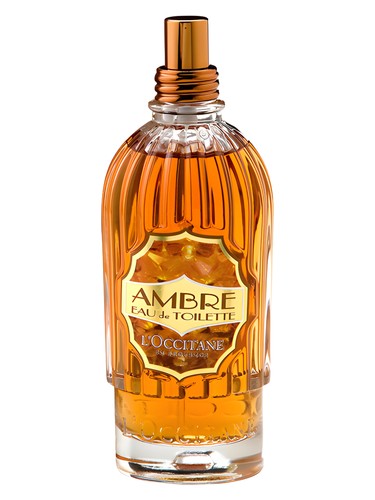
The first spritz of Ambre L''Occitane en Provence feels like stepping into a sunlit Provençal cottage on a crisp autumn morning. There''s an immediate warmth here, but it''s neither aggressive nor cloying—instead, freesia and bergamot open with a deceptive brightness that whispers rather than shouts. This isn''t the amber fragrance that announces itself across a room; it''s the one that draws people closer, making them lean in and ask, "What are you wearing?" Within moments, you understand this is a composition built on restraint and good taste, characteristics that have earned it an impressive 4.42 out of 5 rating from over 760 reviewers who appreciate its refined approach to a sometimes heavy-handed genre.
The Scent Profile
The journey begins with that intriguing pairing of freesia and bergamot—an unexpectedly fresh introduction for what reveals itself as a thoroughly amber-dominant fragrance. The freesia lends a soft, almost soapy floral transparency, while bergamot provides just enough citrus brightness to keep the opening from feeling too serious. This top note phase is brief but essential, creating breathing room for what follows.
As the fragrance settles into its heart, the real personality emerges through tonka bean and labdanum. Here''s where Ambre begins its transformation from pleasant to genuinely compelling. Labdanum, that resinous, slightly leathery cistus extract beloved in traditional amber accords, brings depth and a hint of that Mediterranean scrubland character that L''Occitane does so well. The tonka bean weaves in its characteristic almond-like sweetness, setting up the vanilla that will dominate the base without making things saccharine.
The base is where this fragrance lives most of its life on skin, and it''s a beautifully balanced triumvirate of amber, vanilla, and cedar. The amber accord—registering at a perfect 100% in community assessments—is rich and golden without veering into the dense, headache-inducing territory some ambers occupy. Vanilla follows at 59%, providing creamy sweetness that feels sophisticated rather than dessert-like. That 34% woody accord, courtesy of the cedar, is the unsung hero here, providing structure and preventing the sweetness from collapsing into itself. There''s also a noticeable powdery quality (24%) that gives Ambre an almost vintage character, reminiscent of classic perfumery before every fragrance felt the need to be either aggressively fresh or tooth-achingly gourmand.
Character & Occasion
This is unquestionably a cool-weather fragrance, and the community data bears this out emphatically: 100% winter, 90% fall. Those percentages don''t lie—Ambre thrives in the months when you''re reaching for cashmere and wool. Spring gets only 19% approval, summer a mere 16%, and that makes perfect sense. The warmth and density of this composition needs cold air to truly shine; in heat, it might feel suffocating.
The day/night versatility is genuinely impressive—81% day, 74% night. This dual citizenship is rare and speaks to Ambre''s sophisticated balancing act. It''s cozy enough for weekend errands in November but polished enough for evening dinner plans. The fragrance reads as decidedly feminine in its softness and warmth, though the woody and balsamic elements (15%) give it enough structure that it never feels overtly sweet or juvenile.
This is a fragrance for someone who has moved past the experimentation phase and knows what they like. It''s for the woman who has a signature scent and isn''t swayed by every new launch. There''s something inherently confident about wearing Ambre—it doesn''t try too hard, and neither should you.
Community Verdict
A 4.42 rating from 766 votes is genuinely impressive, particularly for a fragrance that''s been on the market since 2001. That longevity combined with sustained high ratings suggests this isn''t a flash-in-the-pan scent or something that only appeals to a niche audience. The substantial vote count indicates ongoing discovery and appreciation, with new wearers continually finding and falling for this amber composition. There''s no significant vocal dissent in those numbers—this is a broadly appealing fragrance that delivers on its promise consistently enough to maintain excellent word-of-mouth over two decades.
How It Compares
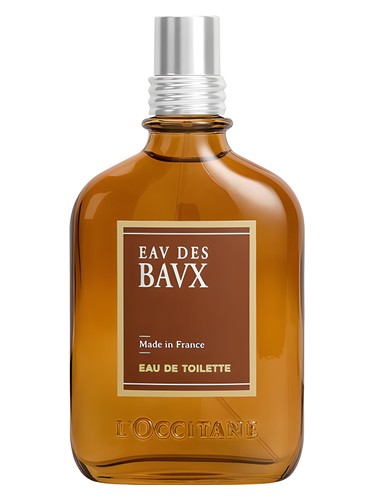
The similar fragrances list reads like a greatest hits of sophisticated amber and oriental compositions: Chanel''s Coco Eau de Parfum, Guerlain''s Shalimar, Dior''s Dune, and YSL''s Cinéma. These are heavy hitters, classics that defined categories. That Ambre L''Occitane holds its own in such company—at a significantly more accessible price point—speaks volumes. It''s softer and more approachable than Coco''s spicy intensity, less animalic than Shalimar''s legendary depth, more straightforwardly amber-focused than Dune''s oceanic-meets-amber experiment. The closest relative is L''Occitane''s own Eau des Baux, though Ambre skews more feminine with its vanilla emphasis. Think of Ambre as the accessible classic in a category often dominated by luxury powerhouses.
The Bottom Line
Ambre L''Occitane en Provence is that rare thing: a genuinely good fragrance at a reasonable price that has quietly built a devoted following over twenty-plus years. It doesn''t reinvent amber, nor does it try to. Instead, it presents a beautifully executed, wearable version of the accord that works for everyday life while maintaining enough sophistication for special occasions. The 4.42 rating is well-deserved—this is quality perfumery without pretension.
If you appreciate classic amber fragrances but find many too heavy or sweet, Ambre deserves your attention. If you''re building a fragrance wardrobe and need a reliable cool-weather signature, this should be on your testing list. And if you''re simply curious about what a well-made, honest amber fragrance smells like without the luxury markup, L''Occitane has delivered exactly that.
AI-generated editorial review