First Impressions
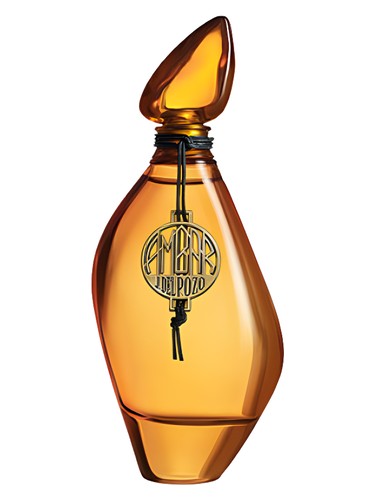
Spray Jesus Del Pozo''s Ambar and prepare for cognitive dissonance. The name promises shadowy, resinous depth—the kind of amber you''d wear to evening affairs with low lighting and whispered conversations. Instead, you''re greeted by a burst of cardamom-laced citrus so bright it could wake you from a mid-afternoon slump. Tangerine and bergamot dance with an aromatic spice that feels more Mediterranean morning than opulent dusk. This is amber''s unexpectedly cheerful cousin, the one who shows up to formal events in surprisingly casual attire and somehow makes it work.
The fragrance announces itself as a paradox from the first moment on skin: a composition that bears an amber name yet leads with citrus at full volume—100% according to its accord breakdown—while aromatic notes trail closely behind at 90%. It''s this tension between expectation and reality that makes Ambar intriguing, even if it occasionally leaves you wondering whether the perfume is having an identity crisis or quietly rebelling against type.
The Scent Profile
The opening is all brightness and bite. Cardamom provides a green-tinged spiciness that feels both invigorating and sophisticated, while tangerine brings juicy sweetness and bergamot adds its characteristic Earl Grey refinement. This isn''t the candied citrus of mainstream fruity florals; there''s an aromatic edge here (that 90% aromatic accord doing its work) that keeps things from veering into simple or predictable territory.
As the citrus mellows, the heart reveals unexpected delicacy. Tea appears as a bridge between the sparkling opening and what''s to come—a perfectly logical transition that reinforces that Earl Grey quality hinted at earlier. Iris adds its signature powdery coolness (explaining that 47% powdery accord), while peony contributes soft floral texture without overwhelming the composition''s more austere elements. This middle phase is where Ambar feels most feminine in traditional terms, though the florals never dominate.
The base finally delivers on the amber promise, but not with the heavy-handed warmth you might expect from the name. Amber materializes at a measured 57%—present but not dominant—joined by sage''s herbal-aromatic quality and Virginia cedar''s dry woodiness. The sage is particularly noteworthy, lending a clean, almost medicinal edge that prevents the amber from turning cloying or overly sweet. That 61% woody accord gives the fragrance structure and staying power, while the warm spicy element (63%) provides cohesion from top to base.
Character & Occasion
Here''s where Ambar''s paradox becomes most apparent. Despite its name and amber base, this is overwhelmingly a daytime fragrance—the data shows 100% day versus a mere 19% night suitability. It''s an amber for sunlight, not starlight.
Seasonally, Ambar shows versatility with a slight cold-weather preference. Fall claims 81% suitability, making it an excellent transitional scent when mornings are crisp but afternoons still hold warmth. Summer follows at 58%—that citrus-forward opening and aromatic character make it surprisingly workable in heat, provided you apply with restraint. Spring sits at 53%, perfectly logical for the composition''s bright florals and clean tea notes. Even winter, at 37%, isn''t entirely off the table, though the fragrance''s lighter hand with amber means it won''t provide the enveloping warmth that true cold-weather devotees might crave.
This is a fragrance for women who want sophistication without weight, presence without projection. It works in professional settings, weekend errands, casual lunches—anywhere you want to smell intentional but not attention-seeking.
Community Verdict
The fragrance community''s sentiment registers at a solid 7.5 out of 10—positive but not rapturous. Based on five Reddit opinions, Ambar emerges as something of an underrated gem, particularly among those who appreciate amber fragrances but don''t necessarily want to smell like they''re burning incense.
Enthusiasts praise its suitability for cold weather and seasonal rotation, noting it fills a specific niche in autumn wardrobes. There''s a recurring theme of appreciation from dedicated amber lovers who find it refreshingly wearable compared to heavier alternatives. Several commenters highlighted how underappreciated the fragrance is within the broader community—not a hidden masterpiece, perhaps, but a solid performer that deserves more recognition.
The criticisms center on its heavier formulation, which some find unsuitable for year-round wear despite those summer and spring ratings. There''s also notably limited discussion in community threads, suggesting Ambar hasn''t captured widespread attention despite its merits. The smaller vote count (760 ratings yielding a 3.8 out of 5) reinforces this relative obscurity.
How It Compares
The comparison fragrances reveal interesting context. Light Blue by Dolce & Gabbana shares that citrus-forward daytime accessibility, while the Shalimar mentions (both Eau de Parfum and Parfum Initial) and Coco references suggest a compositional sophistication that elevates Ambar beyond simple fresh fragrances. These aren''t exact duplicates but rather fragrances operating in adjacent territory—classic feminines with varying degrees of citrus, powder, and warmth.
Where Ambar distinguishes itself is in that specific balance: brighter and more approachable than classic Shalimar, more substantial than Light Blue, less overtly luxurious than Coco Mademoiselle. It occupies a middle ground that might explain both its underrated status and its appeal to those who discover it.
The Bottom Line
At 3.8 out of 5 stars from 760 voters, Ambar isn''t claiming perfection—and that feels honest. This is a well-constructed, wearable fragrance that does specific things well rather than attempting universal appeal. Released in 2010, it represents Jesus Del Pozo''s ability to create accessible sophistication without dumbing down the composition.
For amber enthusiasts seeking something lighter than typical offerings, Ambar delivers. For those building a fall rotation who want citrus brightness with just enough warmth and wood to feel seasonally appropriate, it''s worth testing. The value proposition depends on pricing—as a niche discover, it could be revelatory; at premium pricing, there are more distinctive options.
Who should try it? Women who find most ambers too heavy but still want that accord in their collection. Those seeking a professional-appropriate scent with character. Anyone assembling an autumn fragrance wardrobe who needs something between fresh colognes and full-bodied orientals. Just don''t expect the fragrance the name promises—expect something more interesting instead.
AI-generated editorial review