First Impressions
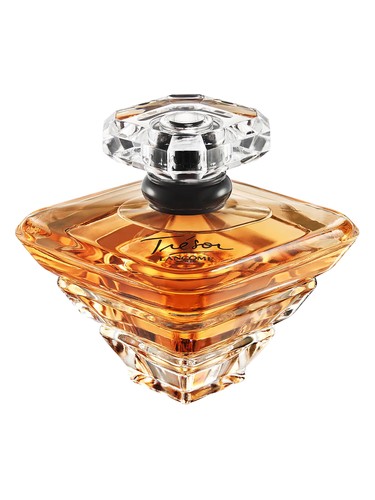
The first spray of Trésor is like biting into a perfectly ripe peach while standing in a rose garden—if that rose garden happened to be dusted with the finest cosmetic powder imaginable. This is not a subtle introduction. Lancôme''s 1990 creation announces itself with unabashed sweetness, a burst of stone fruit so prominent you can almost feel the fuzzy skin against your lips. But before you can fully process that juicy opening, the roses arrive, softened by lilac and rounded out with apricot blossom. There''s a tropical whisper of pineapple threading through it all, giving the composition an unexpectedly bright edge that keeps it from collapsing into pure nostalgia.
This is a fragrance that wears its heart on its sleeve—or rather, on your pulse points, radiating outward with confidence that some might call bold and others might call unapologetic.
The Scent Profile
Trésor''s architecture is built on contradiction: it''s simultaneously lush and restrained, sweet and sophisticated, retro and somehow timeless. The opening act features that dominant peach note, supported by apricot blossom and a shot of bergamot that provides just enough citrus to prevent the fruit from becoming cloying. Lily-of-the-valley adds a green, almost soapy cleanliness, while lilac contributes a powdery quality that foreshadows what''s to come. The pineapple feels like an eccentric guest at a formal dinner party—not entirely expected, but welcome nonetheless.
As Trésor settles into its heart, the florals take center stage in a quartet of classic beauty: rose, iris, heliotrope, and jasmine. The rose here isn''t the dewy garden variety; it''s plush and slightly abstract, the kind you''d find in expensive face cream. Iris delivers that signature powdery texture that defines much of Trésor''s character, while heliotrope adds an almond-like sweetness with hints of vanilla to come. Jasmine provides indolic depth, though it remains polite rather than overtly sensual.
The base is where Trésor reveals its lasting power and true identity. Peach and apricot persist, now mellowed and jammy rather than fresh. Sandalwood provides a creamy woodiness, while vanilla, amber, and musk create a soft, enveloping warmth. This is where the fragrance earns its "powdery" accord rating of 97%—it settles into the skin like the memory of expensive cosmetics, face powder, and silk slips stored in cedar drawers.
Character & Occasion
Trésor is a fall and winter warrior, scoring perfect marks for autumn wear and 85% for winter. This makes perfect sense: its rich fruitiness and powdery warmth need cooler air to shine. In summer heat (just 30% suitability), that peachy sweetness can become overwhelming, bordering on cloying. Spring offers a middle ground at 52%, acceptable on cooler days when you''re craving something more substantial than the season''s typical fresh florals.
What''s remarkable is Trésor''s versatility in terms of timing—it scores 86% for day wear and 85% for night, making it that rare fragrance equally at home in a conference room and a cocktail bar. This adaptability speaks to its fundamental character: sweet enough to feel special, polished enough to feel professional.
This is a fragrance for someone who isn''t afraid of presence. If your ideal scent is a whisper, Trésor will frustrate you. But if you appreciate perfumes that announce your arrival and linger in your wake, that speak to femininity in capital letters, this delivers exactly that experience.
Community Verdict
With 12,944 votes tallying to a 3.65 out of 5 rating, Trésor sits in interesting territory. This isn''t a universal crowd-pleaser, nor is it a cult darling with passionate devotees drowning out critics. Instead, it''s a fragrance that divides opinion—and with a composition this unapologetically bold, that makes sense.
The rating suggests a perfume that some consider a masterpiece of its era and others find dated or too sweet. That massive vote count indicates significant cultural impact; people have opinions about Trésor because they''ve actually worn it, received it as gifts, or encountered it on others. This is a fragrance that left its mark on a generation.
How It Compares
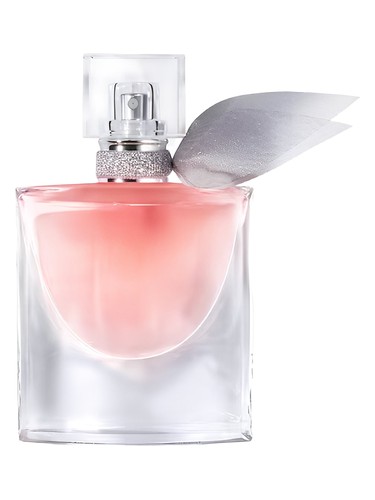
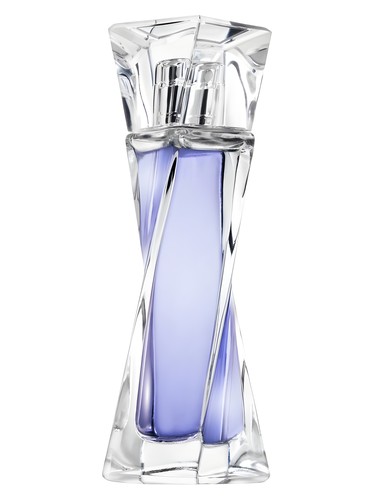
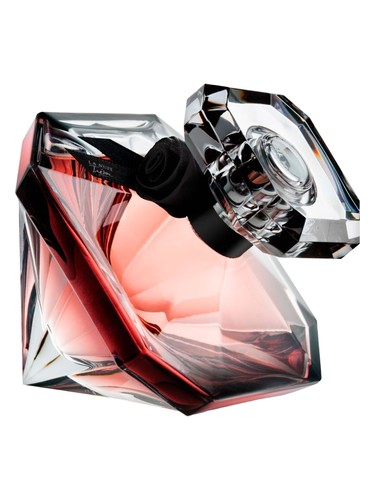
Trésor sits in distinguished company among its similar fragrances. J''adore by Dior shares that polished, feminine elegance but takes a fresher, more floral route. Lancôme''s own La Vie Est Belle carries forward the sweet, fruity-gourmand torch that Trésor helped light, though with a more modern praline emphasis. Hypnôse, also from Lancôme, explores darker, more mysterious territory while maintaining family resemblance. Dior''s Dolce Vita shares Trésor''s vintage charm and fruity heart, while Guerlain''s Samsara trades some of the fruit for deeper woods and incense.
What distinguishes Trésor is that specific peach-rose-powder combination. It carved out territory that countless fragrances have since attempted to occupy, making it more of a category-definer than a follower.
The Bottom Line
Trésor is a fragrance that demands you know yourself. If you gravitate toward fresh, minimalist, or traditionally "green" scents, this will likely feel too sweet, too loud, too much. But if you appreciate perfumes that embrace rather than apologize for their sweetness, that understand powder and fruit as legitimate forms of elegance, Trésor offers a masterclass in how to compose that style.
At over thirty years old, it shows its age—but whether that''s a weakness or a strength depends entirely on your perspective. To some, it smells dated; to others, it smells classic. The 3.65 rating suggests it''s not for everyone, but the nearly 13,000 votes indicate it''s significant enough that everyone should at least know what it smells like.
For those who came of age in the 1990s, Trésor may trigger profound nostalgia—a reminder of mothers, first dates, or department store cosmetics counters. For younger wearers discovering it now, it offers a time capsule of when sweet, fruity florals ruled the world with unquestioned confidence. Either way, it''s worth a test spray, if only to understand what an entire generation meant when they talked about "treasure."
AI-generated editorial review