First Impressions
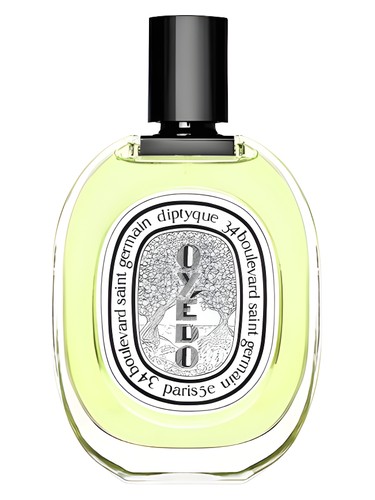
The first spray of Oyédo is like biting into a perfectly ripe mandarin while standing in a sun-drenched Japanese garden. There''s an immediate burst of citrus so vivid and uncompromising that it feels less like a fragrance and more like a sensory reset button. Diptyque''s 2000 creation doesn''t ease you in gently—it announces itself with the kind of luminous, almost astringent brightness that makes you blink twice. The yuzu, that distinctly Japanese citrus that sits somewhere between grapefruit and mandarin in character, dominates the opening with its tart, effervescent quality. This isn''t the sweet, easy citrus of orange blossom or bergamot cologne; it''s sharp, verdant, and unapologetically bold.
The Scent Profile
Oyédo''s composition reads like a minimalist haiku—economical in structure yet rich in impact. The top notes form a citrus quartet that could power a small city: mandarin orange, yuzu, lemon, and lime converge in what can only be described as citrus at maximum saturation. Each element contributes its own character—the mandarin offers roundness and a whisper of sweetness, the yuzu brings that distinctive Japanese tartness, while lemon and lime sharpen the edges with their bright, zesty bite. The accord registers at 100% citrus intensity, and you feel every percentage point.
As the initial citrus storm begins to settle—though "settle" might be too gentle a word for what remains a persistently vibrant fragrance—thyme emerges at the heart. This single herbal note is a masterstroke of restraint. Rather than introducing a bouquet of florals or a medley of spices, Diptyque lets thyme''s aromatic, slightly medicinal quality provide an earthy counterpoint to all that brightness. It''s the green stem that grounds the fruit, adding an aromatic dimension (31% accord) that keeps Oyédo from becoming a one-dimensional citrus screamer.
The base reveals woodsy notes that provide structure without weight. These aren''t the heavy, resinous woods that anchor evening fragrances; they''re subtle, almost sketch-like suggestions of bark and branch that give the composition enough depth to last beyond the typical citrus lifespan. Even here, though, Oyédo never loses sight of its essential character—the woods whisper while the citrus continues to sing.
Character & Occasion
This is summer distilled to its essence, with the data confirming what your nose tells you: 100% summer suitability, with spring (74%) as a strong secondary season. Fall and winter? At 17% and 13% respectively, they''re not ideal territories for Oyédo unless you''re deliberately trying to inject sunshine into grey months.
The day/night split (96% day, 9% night) tells you everything about this fragrance''s personality. Oyédo is unabashedly a daytime performer, best suited to situations where brightness is an asset rather than an intrusion. Think weekend brunches, outdoor markets, morning meetings, garden parties, or any moment when you want to feel—and project—crisp, clean energy. This is the olfactory equivalent of a perfectly pressed white linen shirt.
While marketed as feminine, Oyédo''s citrus-aromatic structure transcends traditional gender boundaries. Anyone who appreciates clean, uncomplicated freshness will find something to love here. It particularly suits those who find sweet or heavy fragrances stifling, or anyone seeking a signature scent that won''t announce itself before you enter a room.
Community Verdict
With a 3.8 out of 5 rating based on 2,459 votes, Oyédo occupies that interesting middle ground: not a universal crowd-pleaser, but definitively beloved by those who understand what it''s trying to achieve. This isn''t a fragrance that attempts to be all things to all people. The rating suggests honest appreciation rather than breathless worship, which actually speaks well of the community''s discernment. Those who dock points likely find the composition too straightforward or wish for more longevity—the eternal challenge of citrus-dominant fragrances. But for those who vote in its favor, Oyédo clearly delivers exactly what they''re seeking: uncompromising freshness executed with Diptyque''s characteristic refinement.
How It Compares
Oyédo shares DNA with the Hermès garden collection, particularly Un Jardin en Méditerranée and Un Jardin Sur Le Nil, though it maintains a more singular focus on citrus rather than attempting to paint entire landscapes. Where the Hermès fragrances wander through gardens collecting impressions, Oyédo fixates on its citrus theme with almost meditative intensity.
The inclusion of Coco Mademoiselle in its similar fragrances list seems initially surprising until you consider shared fresh, bright qualities—though Chanel''s creation ventures into warmer, more complex territory. Blackberry & Bay by Jo Malone offers a similar philosophy of bright, uncomplicated freshness, while Gypsy Water by Byredo represents the woody, aromatic dimension of Oyédo''s character extended into evening territory.
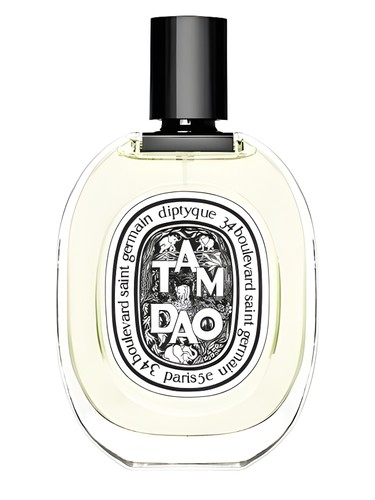
Within Diptyque''s own portfolio, Oyédo stands as one of their most straightforward compositions—less abstract than Philosykos, less spicy than Tam Dao, but no less accomplished in its focused vision.
The Bottom Line
Oyédo isn''t trying to be mysterious, sultry, or complex. It''s trying to be the best possible version of bright, citrus freshness, and by that measure, it succeeds admirably. The 3.8 rating reflects honest assessment: this is a very good fragrance with a specific purpose, not a masterpiece for the ages. Its value proposition depends entirely on what you''re seeking. If you want a fragrance that evolves dramatically or lasts through dinner, look elsewhere. But if you need a reliable burst of sunshine that feels expensive, sophisticated, and refreshingly uncomplicated, Oyédo deserves your attention.
Those who should try it: citrus devotees, minimalists, anyone building a summer wardrobe of fragrances, and those who appreciate Japanese aesthetics of clarity and precision. Skip it if you need projection or longevity, or if you find straightforward citrus boring. At over two decades old, Oyédo has earned its place as a summer classic—not because it breaks rules, but because it follows them with exceptional grace.
AI-generated editorial review