First Impressions
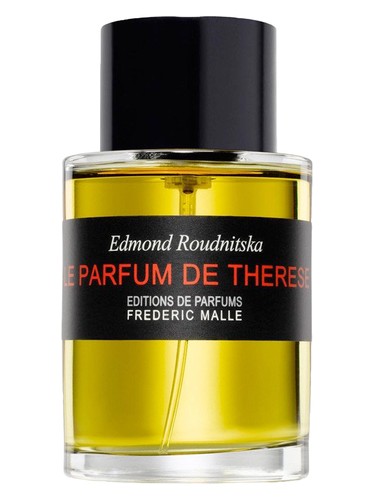
The first spray of Le Parfum de Therese is audacious—a juicy melon and tangerine opening that arrives with the confidence of someone who knows exactly who they are. This is not the demure, pastel-soft fruitiness of conventional feminine fragrances. Instead, there''s an almost discordant brightness, a sweetness that feels intentionally off-kilter, as though Edmond Roudnitska (who created this formula for his wife in 1974, later released by Frederic Malle in 2000) decided to paint with fruits the way Picasso painted faces—recognizable, yet wonderfully strange. The melon note, often a maligned fixture in ''90s-era perfumery, here feels like a deliberate provocation, a test of whether you''re willing to follow this fragrance into stranger territory.
The Scent Profile
The opening salvo of melon and tangerine is unabashedly fruity—the data confirms this as the dominant accord at 100%—yet there''s an ozonic quality (54% according to community consensus) that lifts these notes into something more ethereal than your typical fruit salad. The melon has an almost cucumber-like freshness, while the tangerine provides a citrus brightness (58% citrus accord) that keeps the sweetness from cloying.
As the fragrance settles into its heart, plum and rose emerge in an unlikely alliance. The plum deepens the fruity character, adding a wine-dark richness that bridges the gap between the bright opening and what''s coming next. The rose—accounting for that 50% rose accord—isn''t the soliflore centerpiece you might expect. Instead, it serves as a sophisticated mediator, its green stems and petal softness tempering the fruit without neutering its boldness.
Then comes the twist: leather. The base of Le Parfum de Therese reveals its true character as leather, vetiver, and cedar emerge. This is where Roudnitska''s genius becomes apparent. The leather isn''t harsh or overtly masculine; it''s supple, almost suede-like, warmed by cedar''s woody embrace (57% woody accord) and given an earthy, slightly bitter grounding by vetiver. The fruit doesn''t disappear so much as it becomes woven into this leather-wood tapestry, creating something that reads as simultaneously sweet (62% sweet accord) and sophisticated, playful and profound.
Character & Occasion
Here''s where Le Parfum de Therese proves itself a true chameleon. The data shows this as an all-seasons fragrance, and that''s remarkably accurate. The fruit and ozonic elements make it breathable enough for warm weather, while the leather and woods provide the weight and warmth needed for colder months. This is a fragrance that adapts rather than dominates.
Interestingly, the community data shows a perfect 0% split between day and night wear—meaning it genuinely works for both. The fruit-forward opening skews casual and approachable for daytime, while the leather-woody base has the sophistication for evening events. It''s the fragrance equivalent of that perfect blazer that works with jeans or cocktail attire.
This is labeled feminine, but that classification feels reductive. Le Parfum de Therese is for anyone who appreciates complexity, who wants their fragrance to spark conversation rather than fade into pleasant background noise. It''s particularly suited to those who find traditional florals boring but aren''t ready to commit fully to the austere minimalism of woody or leathery compositions.
Community Verdict
With a solid 3.95 out of 5 stars from 1,545 votes, Le Parfum de Therese occupies that interesting middle ground: widely respected, but not universally adored. This isn''t a crowd-pleaser in the way that safer, more conventional fragrances might be. That rating suggests a fragrance that divides opinion—some find it groundbreaking, others find it challenging. The melon note, in particular, seems to be a Midas touch or deal-breaker depending on your perspective.
What the rating does confirm is that this is a fragrance worth experiencing. Nearly 1,600 people have felt strongly enough to vote on it, and that near-4-star consensus indicates quality and memorability, even if it''s not everyone''s personal favorite.
How It Compares
The comparisons to Feminité du Bois make immediate sense—both are Roudnitska creations that challenge feminine fragrance conventions with unexpected woody and fruity combinations. While Feminité leans more into cedar and spice, Le Parfum de Therese takes the fruitier, more overtly sweet path.
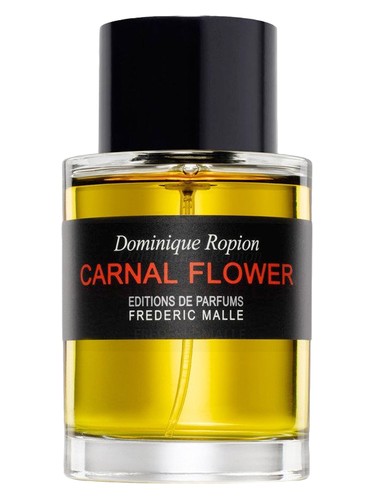
The Angel comparison points to the fruity-sweet intensity, though Therese lacks Angel''s patchouli-chocolate gourmand density. References to Carnal Flower and Black Orchid suggest the boldness and unapologetic presence these fragrances share, while the Shalimar mention hints at a classical sophistication underlying the unconventional composition.
Where Therese stands apart is in its refusal to commit to a single narrative. It''s neither purely fruity nor strictly leather, neither entirely modern nor completely classical.
The Bottom Line
Le Parfum de Therese is a fragrance that demands something from its wearer: confidence, curiosity, and a willingness to embrace contradiction. That 3.95 rating tells you this isn''t a safe blind buy, but for those whose tastes align with its vision, it offers something rare—a perfume that feels genuinely personal and idiosyncratic.
At parfum concentration, you''re getting intensity and longevity, though expect to pay accordingly for this Frederic Malle offering. This is an investment piece, best sampled before committing.
Who should try it? Anyone tired of predictable feminines, anyone who''s ever wished their leather jacket could smell like a fruit stand, anyone who appreciates perfumery as art rather than just accessory. Just be prepared—this love letter might be written in a language you need time to learn.
AI-generated editorial review