First Impressions
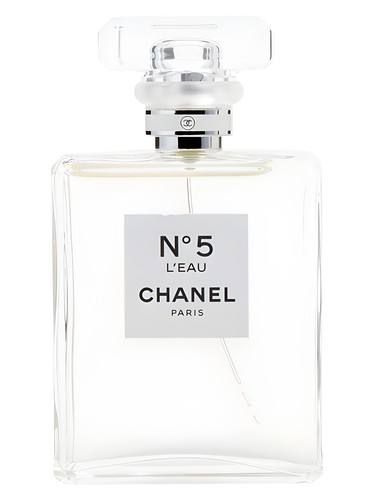
The first spray of Chanel No 5 L''Eau delivers an immediate jolt of clarity—a sparkling citrus constellation that bears only a familial resemblance to its legendary predecessor. Where the original No 5 announces itself with assertive aldehydes and a golden floral heart, L''Eau opens with an almost effervescent quality, as if someone had taken that iconic formula and drenched it in morning sunlight. The aldehydes are still present, but they''re tempered, softened, woven through a bright tapestry of lemon, neroli, bergamot, mandarin, lime, and orange. This is not the entrance of a grande dame in pearls; it''s the arrival of her granddaughter in a linen dress, barefoot and unapologetic.
At 100% citrus dominance according to its accord profile, L''Eau makes no attempt to hide its intentions. This is a fragrance that has chosen freshness over opulence, accessibility over mystique. The aldehydic signature that made No 5 so distinctive in 1921 now plays a supporting role at 44%, while fresh accords claim 38% of the composition. It''s a deliberate reimagining—one that has earned both admiration and criticism in equal measure since its 2016 release.
The Scent Profile
The opening act is a citrus symphony that feels almost photorealistic in its brightness. Seven citrus notes converge in that initial moment—lemon and bergamot providing sharp clarity, neroli adding its bitter-green elegance, mandarin and orange softening the edges with sweetness, while lime contributes an almost effervescent quality. The aldehydes weave through this citrus chorus not as the star soloist they once were, but as a sophisticated harmonizer, adding that signature Chanel sparkle without overwhelming the composition''s new sunny disposition.
As the fragrance settles into its heart, the classic No 5 architecture becomes more apparent. Ylang-ylang, jasmine, and May rose form the floral trinity, though they manifest with considerably less intensity than in the original formula. These flowers feel transparent, almost watercolor-like in their rendering, contributing to the yellow floral accord that registers at 25%. The florals never dominate; instead, they float through the citrus-drenched opening like a memory of the original rather than a direct quotation.
The base brings unexpected structure to what might otherwise drift away entirely. White musk provides a clean, modern foundation, while orris root adds its signature powdery elegance (accounting for the 26% powdery accord). Cedar introduces the woody element—also at 26%—lending subtle depth without heaviness. A whisper of vanilla rounds out the composition, though it never approaches sweetness. This is where L''Eau most resembles its ancestor, in that refined, almost austere drydown that feels unmistakably Chanel.
Character & Occasion
The data tells a clear story about L''Eau''s natural habitat: this is overwhelmingly a spring fragrance (95%), with strong summer credentials (76%). Its performance drops considerably in cooler months—51% for fall, just 38% for winter—and for good reason. This is a fragrance that thrives in warmth and sunlight, that wants air movement and skin heated by sunshine. The heavy citrus concentration and fresh character make it feel almost purpose-built for those transitional months when winter''s weight has lifted but summer''s intensity hasn''t yet arrived.
Perhaps even more telling is its day/night distribution: 100% day, only 31% night. L''Eau has no aspirations to mystery or evening glamour. It''s a morning shower, a lunch meeting, a weekend market run. The community consistently recommends it for office wear and professional settings—places where the original No 5 might feel like too much statement, too much history, too much everything. This is Chanel for Zoom calls and coworking spaces, for people who want a signature scent that whispers rather than proclaims.
Community Verdict
The Reddit fragrance community approaches L''Eau with decidedly mixed feelings, reflected in a sentiment score of 6.8/10—respectable but far from enthusiastic. Based on 75 opinions, a clear portrait emerges of a fragrance that succeeds at some goals while failing at others.
The praise centers on accessibility: reviewers appreciate its fresh, modern interpretation of a classic, calling out the "beautiful citrus and elegant drydown that evolves over time." Many specifically celebrate that it''s "less old-fashioned or heavy than classic No. 5" and "more wearable and versatile" as a daily option.
But the criticisms cut deep. The most common complaint concerns performance—"low projection and longevity compared to original No. 5" appears repeatedly. For a Chanel fragrance carrying the No 5 name, this feels like a significant compromise. More concerning are reports that L''Eau is "highly skin chemistry dependent," with some users reporting it can smell like "floor cleaner" on certain skin types. The community also warns potential buyers that this is "not a true floral fragrance despite expectations" and may disappoint those seeking something comparable to Gucci Bloom or other floral-forward compositions.
The overall rating of 4.13/5 from 6,800 votes suggests broad acceptance if not passionate devotion—a fragrance many like but few seem to love unconditionally.
How It Compares
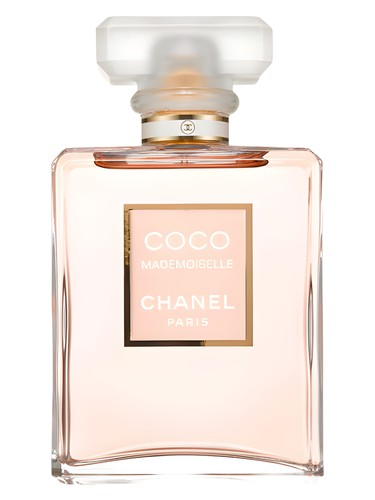
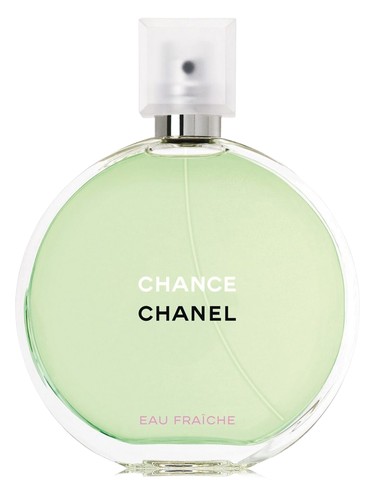
L''Eau sits in interesting company among its similar fragrances. Light Blue by Dolce & Gabbana shares its citrus-fresh DNA, while fellow Chanel creations Coco Mademoiselle, Gabrielle, and Chance Eau Fraiche represent the house''s broader modern aesthetic. The original Chanel No 5 Eau de Parfum rounds out the list—a reminder that L''Eau exists in constant dialogue with its predecessor, forever compared and contrasted.
Within this grouping, L''Eau occupies the brightest, most overtly citrus-driven position. It''s less complex than Coco Mademoiselle, less ambery than Gabrielle, more sophisticated than Light Blue''s straightforward freshness, and obviously lighter than the original No 5. It represents Chanel''s bet that the iconic name could stretch to encompass a radically different expression—femininity through brightness rather than depth.
The Bottom Line
Chanel No 5 L''Eau is best understood as an exercise in selective inheritance. It takes the architectural bones of its legendary predecessor—the aldehydes, the jasmine-rose heart, the powdery refinement—and rebuilds them in a completely different register. The result is a fragrance that wears the family name while charting its own territory, prioritizing wearability and modern freshness over the original''s operatic intensity.
The 4.13 rating and mixed community sentiment reflect genuine trade-offs. You gain accessibility, versatility, and that undeniable spring-morning brightness. You lose longevity, projection, and some of the gravitas that makes No 5 legendary. Whether that exchange feels worthwhile depends entirely on what you''re seeking.
This is the fragrance for someone who respects the No 5 legacy but doesn''t want to wear it literally. For professional settings, warm weather, and those days when you want to smell polished but not perfumed. Test it on your skin first—the chemistry warnings are real—and give it time to develop through that elegant drydown. Just don''t expect it to last until evening, and don''t expect it to stop conversations the way its ancestor once did. L''Eau is content being liked rather than legendary, and for many wearers, that''s exactly enough.
AI-generated editorial review