First Impressions
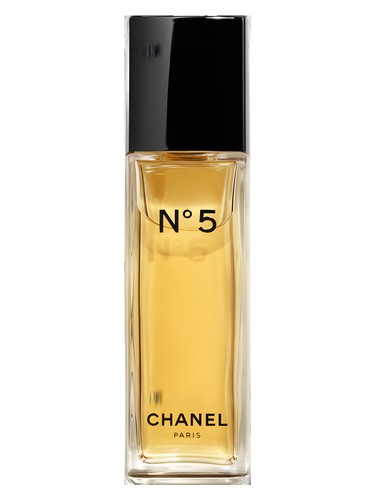
The first spray of Chanel No 5 Eau de Toilette is a study in contradictions—simultaneously familiar and foreign, like encountering a legendary figure you''ve only heard about in stories. Those aldehydes arrive with their signature sparkle, a champagne-bubble effervescence that immediately announces this isn''t just another floral perfume. There''s a bright citrus shimmer from bergamot and Amalfi lemon, but it''s the aldehydic veil that steals the show, creating that abstract, almost soapy-clean quality that made Ernest Beaux''s 1921 creation revolutionary. This is perfume as architecture—structured, deliberate, unmistakably composed with capital-letter Intent.
The ylang-ylang and neroli add tropical opulence to the opening, but they''re filtered through those aldehydes like sunlight through frosted glass. It''s a scent that makes you stand up straighter, that carries the weight of a century''s worth of cultural baggage in a single molecule. Whether that weight feels like heritage or burden depends entirely on who you are—and whose vanity table this fragrance already occupies.
The Scent Profile
The evolution of Chanel No 5 EDT follows a masterclass trajectory through classical French perfumery. After the aldehydic overture settles, the heart reveals itself as an impossibly lush white floral bouquet. Jasmine and rose form the romantic core, supported by the powdery elegance of iris and orris root—those rhizome notes that bring a cool, almost lipstick-like refinement. Lily-of-the-valley threads through with its green, dewy quality, preventing the composition from becoming too heavy or cloying.
This is where the powdery accord—registering at 97% in the main accords—truly blooms. It''s not the sweet baby powder of modern gourmands, but something more sophisticated: the scent of expensive face powder in a mirrored compact, of silk slips and pearled vanity sets. The iris contributes significantly here, lending that distinctive violet-root dryness that reads as both vintage and refined.
As the perfume dries down, the base notes reveal surprising complexity. Sandalwood and vetiver provide woody warmth (the woody accord hits 100%, dominating the fragrance''s overall impression), while oak moss brings an earthy, chypre-like depth. The civetta—a synthetic replacement for vintage civet—adds subtle animalic sensuality, though it''s more whispered suggestion than assertive proclamation in this concentration. Musk, vanilla, amber, and patchouli round out the foundation, creating a skin-like warmth that lets the more dramatic notes shine without leaving the wearer feeling stark or cold.
The fresh accord (73%) keeps the entire composition from feeling too heavy, a remarkable achievement for such a densely layered fragrance. This is No 5 at its most wearable—softer than the Parfum, more full-bodied than the Eau Premiere.
Character & Occasion
The data tells a clear seasonal story: this is fundamentally an autumn and winter fragrance, scoring 100% and 94% respectively. The powdery warmth and substantial structure make perfect sense when temperatures drop and you''re layering cashmere and wool. Spring sees a 74% approval rating—still viable, particularly on cooler days—while summer registers only 48%. That aldehydic soapiness does provide some freshness, but the woody-powdery base can feel heavy when humidity rises.
The day/night split is revealing: 97% day versus 89% night. This isn''t a sultry evening seductress—it''s polished daytime elegance, the scent of power lunches and museum openings, of tailored suits and structured handbags. It projects competence and refinement without trying to be overtly sensual.
As for who should wear it? The data suggests mature women and older demographics, but here''s where things get complicated—a tension we''ll explore further in the community verdict.
Community Verdict
With a solid 4.02 rating from 5,844 votes, the technical quality isn''t in question. But the Reddit fragrance community reveals a fascinating psychological barrier: sentiment scores only 6.5 out of 10, decidedly mixed territory for such a highly-rated perfume.
The pros are undeniable. It''s iconic and classic, carrying immense historical prestige. Those who wear it report good quality and a genuinely pleasant scent. It''s recognizable and distinctive—you''ll never be accused of smelling generic.
But the cons? They''re deeply personal and surprisingly consistent. The fragrance is so strongly associated with older generations—specifically mothers and grandmothers—that younger wearers report feeling awkward or inappropriate wearing it. Multiple community members describe genuine identity confusion when the scent they associate with a maternal figure suddenly emanates from their own skin. One person''s cherished heritage becomes another''s psychological off-limits zone.
The community consensus suggests No 5 works best for mature women, those without family members already wearing it, and formal or vintage-inspired occasions. It''s described as "off-limits due to strong personal associations" despite being a "classic, quality fragrance." The scent itself isn''t disliked—it''s the emotional territory it occupies that proves challenging.
How It Compares
Unsurprisingly, the most similar fragrances are No 5''s own siblings: the Parfum, Eau de Parfum, and Eau Premiere concentrations. Beyond the family, Samsara Eau de Parfum by Guerlain and Dune by Dior share similar powdery-woody DNA and that distinctly French approach to floral composition. These are all perfumes from an era when fragrance was meant to announce presence, not whisper intimacy.
Where this EDT stands: it''s the most accessible entry point to the No 5 legacy, softer than the Parfum''s intensity but more substantial than Eau Premiere''s translucency. It occupies a middle ground that should, theoretically, make it the most wearable—if you can navigate the emotional complexity.
The Bottom Line
Here''s the truth: Chanel No 5 Eau de Toilette is objectively excellent. The 4.02 rating reflects genuine quality—this is masterful perfumery, beautifully constructed, instantly recognizable. The formula remains true to its heritage while feeling remarkably wearable for a composition over a century old.
But should you buy it? That depends less on your nose than on your personal history. If No 5 doesn''t already belong to someone in your life, if it''s merely a cultural icon rather than your mother''s signature, then absolutely—this is a piece of perfume history that still holds up. For fall and winter day wear, for moments requiring polish and presence, it delivers.
If, however, you grew up kissing a cheek scented with these aldehydes, if this fragrance already has a face attached to it in your memory, proceed with caution. No amount of objective quality can override the subjective experience of smelling like someone else. Sometimes the most iconic fragrances are best appreciated from a respectful distance—beloved, admired, but ultimately belonging to another generation''s story rather than your own.
AI-generated editorial review