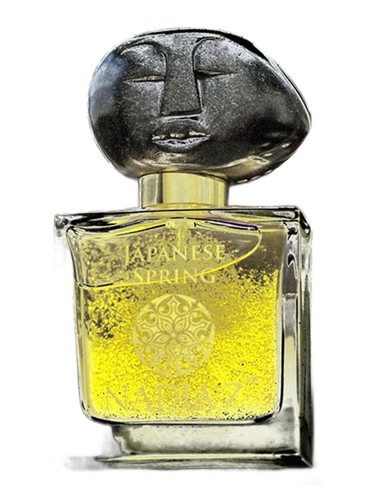
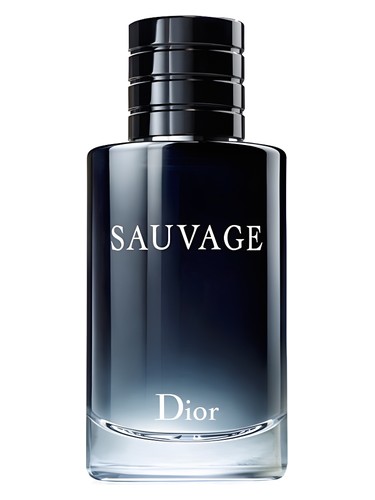
What's the difference between Japanese Spring and Sauvage?+
Japanese Spring is a masculine fragrance (marketed to men, though wearable by all) from Nadia Z (undated) dominated by Musky accords. Sauvage is a masculine fragrance (marketed to men, though wearable by all) from Dior (2015) leaning on Fresh Spicy accords. They share 3 accords: Musky, Amber, Fresh Spicy.
Which is better, Japanese Spring or Sauvage?+
By community rating, Japanese Spring scores 3.12/5 vs Sauvage at 3.86/5. Sauvage's standout strength: Pleasant, inoffensive scent that appeals to most people. The "better" choice depends on what you value — longevity, projection, season fit, or signature character.
Do Japanese Spring and Sauvage smell similar?+
They share a small fraction of their ingredients — expect noticeably different experiences. Sauvage: Sauvageは本当に好かれている香水で、広い大衆的な人気と正当な肯定的な特性を持っていますが、その莫大な人気と過度な飽和により、コミュニティの感情は複雑になっています。多くの人がその心地よい香りと褒め言葉を生み出す力を称賛する一方で、他の人はその普遍性、強い香りの拡散、そしてネガティブなステレオタイプとの関連付けを批判しており、マーケティングの成功が実際の製品の価値を部分的に上回っていることを示唆しています。.
Which lasts longer, Japanese Spring or Sauvage?+
Sauvage: Excellent projection and longevity Longevity varies by skin chemistry, concentration, and application method.
Which season suits Japanese Spring vs Sauvage?+
Japanese Spring scores highest for spring wear; Sauvage scores highest for spring wear. Japanese Spring leans daytime, Sauvage leans daytime.