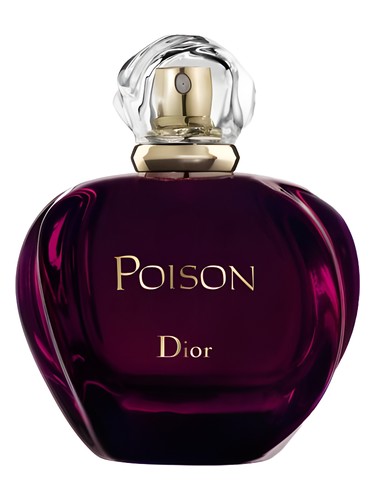
What's the difference between Bleu de Chine and Poison?+
Bleu de Chine is a feminine fragrance (marketed to women, though wearable by all) from Marc de la Morandiere (1987) dominated by Woody accords. Poison is a feminine fragrance (marketed to women, though wearable by all) from Dior (1985) leaning on Fruity accords. They share 4 accords: Woody, White Floral, Amber, Tuberose.
Which is better, Bleu de Chine or Poison?+
By community rating, Bleu de Chine scores 4.41/5 vs Poison at 3.93/5. Poison's standout strength: Iconic 90s fragrance with historical significance and nostalgia. The "better" choice depends on what you value — longevity, projection, season fit, or signature character.
Do Bleu de Chine and Poison smell similar?+
They share 6 notes and 4 accords, including Woody, White Floral, Amber, Tuberose, Tuberose. Poison: ディオール ポイズンは、1980年代から90年代の強い懐かしさを持つ、非常に賛否両論が分かれる香水です。独特のダークな特性と優れた持続性で賞賛されていますが、現代のリフォーミュレーション版は元々の強烈さを求めるファンを失望させています。この香水の大胆さは日常使いには不向きであり、冒険好きな香水愛好家と特別な場面での使用に限定されるため、その魅力の範囲は限られています。.
Which lasts longer, Bleu de Chine or Poison?+
Poison: Strong longevity and projection Longevity varies by skin chemistry, concentration, and application method.
Which season suits Bleu de Chine vs Poison?+
Bleu de Chine scores highest for fall wear; Poison scores highest for winter wear. Bleu de Chine leans evening, Poison leans evening.