First Impressions
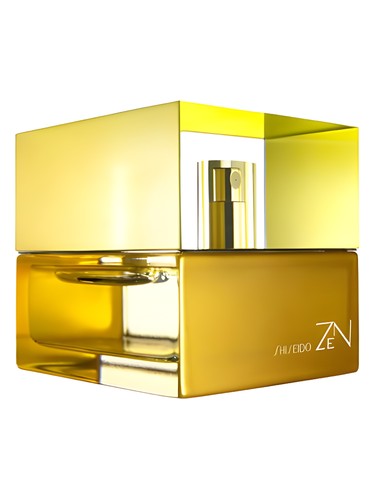
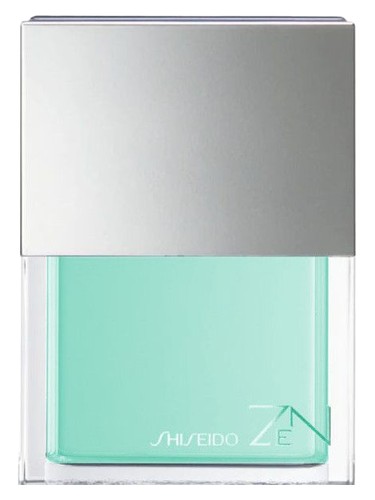
Spray Zen for Men and prepare for cognitive dissonance. The opening doesn''t announce itself with the usual masculine fanfare—no woody blast, no aggressive citrus bite, no unapologetic spice. Instead, Shiseido''s 2009 offering begins with something gentler, more contemplative: a whisper of pear mingling with bergamot and orange, like morning light filtering through rice paper. But here''s where expectations begin to fracture. That pear note, sweet and crisp, sits atop a distinctly powdery foundation that reveals itself almost immediately. This isn''t the zen of minimalist stone gardens; it''s the zen of soft fabrics, of talc-dusted skin, of violet petals pressed between pages.
The first impression is one of elegant contradiction—fresh yet powdery, fruity yet sophisticated, unmistakably masculine yet unapologetically soft.
The Scent Profile
The composition unfolds in layers that seem to exist simultaneously rather than in strict chronological succession. Those opening notes of pear, orange, and bergamot create a luminous halo, with the pear taking center stage in a way that feels both distinctive and slightly daring for a masculine fragrance. It''s not the heavy, syrupy pear of dessert fragrances, but something lighter—almost translucent.
As the heart emerges, violet becomes the dominant player, explaining that immediate powdery impression that defines Zen for Men''s character. The violet accord intertwines with nutmeg''s warm spice and rhododendron''s subtle floral whisper, creating a composition that registers as 92% floral and 94% fresh spicy according to its dominant accords. This violet-nutmeg pairing is what gives the fragrance its peculiar charm—simultaneously nostalgic and modern, comforting yet unexpected.
The nutmeg provides just enough warmth to prevent the violet from becoming too soapy or feminine, threading a careful needle between traditional gender boundaries. The rhododendron, a less common note in men''s fragrances, adds a honeyed, slightly green quality that keeps the composition from floating away entirely into powder.
The base eventually grounds everything with patchouli, musk, and leather, though these elements remain gentler than their presence might suggest. The leather never dominates; instead, it provides subtle structure. The patchouli adds earthiness without overwhelming, while musk creates a skin-like intimacy. These base notes explain how a fragrance that reads as 100% powdery and 92% sweet can still maintain its masculine identity.
Character & Occasion
Zen for Men is overwhelmingly a daytime fragrance—the data shows 100% day suitability versus only 35% for evening wear, and your nose will confirm why. This is a scent for sunlight, for casual encounters, for moments that don''t require projection or presence. It''s the olfactory equivalent of a well-chosen linen shirt.
Seasonally, spring claims this fragrance as its own (88% suitability), followed by summer at 68%. The fresh, powdery character makes perfect sense for warmer months when heavier compositions wilt. Fall compatibility sits at 60%, while winter—at just 28%—confirms what the wearing experience suggests: Zen for Men lacks the weight and warmth for cold weather contemplation.
This is emphatically casual wear. The violet-powder dominance and sweet pear opening make it entirely unsuitable for formal occasions or professional environments where traditional masculine authority is expected. Instead, this is for weekend errands, coffee shop work sessions, spring afternoon walks, or any situation where you want to smell approachable rather than impressive.
The target wearer is someone comfortable enough in their masculinity to wear something soft, someone who appreciates nuance over volume, and perhaps someone seeking an alternative to the aquatic-woody-fresh triangle that dominates the masculine market.
Community Verdict
The r/fragrance community approaches Zen for Men with measured appreciation, reflected in a sentiment score of 6.5/10—neither enthusiastic embrace nor dismissal. Based on nine opinions, the community consensus centers on an important caveat: don''t judge this fragrance by its notes alone.
The primary praise focuses on the fresh, light scent profile and that distinctive pear note that sets it apart from more conventional masculine offerings. Users highlight good longevity and performance, suggesting the soft character doesn''t necessarily mean poor projection or staying power.
However, the community emphasizes a crucial warning: Zen for Men is "often misunderstood based on note listings alone" and is "not similar to fragrances with similar-sounding notes." The specific example cited is Dior Fahrenheit—despite any shared notes, these fragrances smell completely different in execution. This underscores a fundamental truth about perfumery that enthusiasts know well: the same ingredients can yield wildly different results.
The community strongly recommends sampling before purchasing, noting limited direct comparisons available in discussions. The consensus identifies it as best for casual everyday wear, warm weather and spring use, and particularly for those actively seeking fresh, light fragrances rather than stumbling upon it accidentally.
How It Compares
The similar fragrances listed—Allure Homme, Fahrenheit, L''Eau d''Issey Pour Homme, L''Homme by YSL, and Bleu de Chanel—represent an interesting cross-section of masculine classics, though as the community notes, similarity in this context should be taken loosely. These are all refined, sophisticated masculine scents that privilege elegance over aggression.
Where Zen for Men distinguishes itself is in that powdery-violet character. While Allure Homme and L''Homme occupy similar soft-masculine territory, neither leans as heavily into powder. L''Eau d''Issey shares the fresh, light approach but achieves it through aquatic-citrus means rather than fruity-floral ones.
The Bottom Line
With a rating of 3.91 out of 5 based on 524 votes, Zen for Men sits comfortably in "good but not great" territory—a fair assessment for a fragrance that knows exactly what it wants to be and executes that vision competently, even if it won''t convert skeptics or challenge the genre.
This is a fragrance for the initiated, for those who already know they enjoy softer, powdery masculines and are seeking that distinctive pear-violet signature. It''s not a blind-buy fragrance unless you''re specifically hunting for something in this particular style. The community''s advice to sample first is sound.
Who should try it? Anyone tired of the same aquatic-woody formulas, anyone who finds traditional violet fragrances appealing, anyone building a warm-weather rotation that prioritizes approachability over impact. Who should skip it? Those seeking evening sophistication, cold-weather warmth, or traditional masculine presence.
Zen for Men delivers exactly what its name suggests—not drama, not intensity, but a calm, contemplative presence that asks nothing more than to be quietly appreciated.
AI-generated editorial review