First Impressions
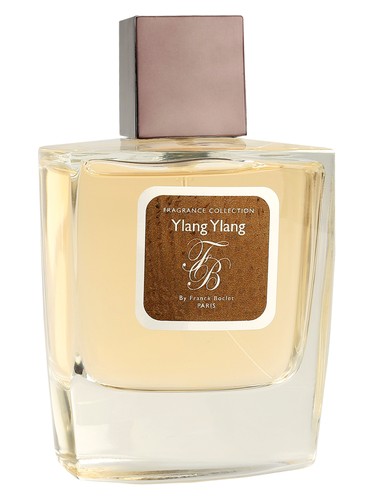
The first spray of Franck Boclet''s Ylang Ylang presents an immediate paradox: bergamot and mandarin orange dance alongside tendrils of smoke. This isn''t your grandmother''s floral. Instead of the expected tropical lushness suggested by its namesake flower, you''re greeted by incense—unexpected, almost austere—before the citrus brightness cuts through like a ray of sunlight piercing through frankincense-filled air. Within moments, though, something altogether different begins to emerge. A whisper of sweetness, barely perceptible at first, hints at the gourmand transformation to come. This is a fragrance that telegraphs its intentions early: conventional it is not.
The Scent Profile
The opening act of mandarin orange, incense, and bergamot creates a dissonance that somehow works. The citrus notes provide that crucial lift, preventing the incense from becoming too heavy or meditative. But these top notes don''t linger long—they''re merely the overture to a much richer composition.
As Ylang Ylang settles into its heart, the namesake flower finally makes its appearance alongside iris and jasmine. Here''s where the fragrance reveals its true personality. The ylang-ylang brings its characteristic creamy, slightly narcotic quality, but it''s tempered by the powdery sophistication of iris. Jasmine adds a white floral dimension without overwhelming, creating a triumvirate that feels simultaneously vintage and modern. The iris, in particular, performs crucial structural work, its root-like earthiness grounding what could otherwise become too heady.
But the real star—the note that dominates this composition so thoroughly it registers at 100% in the accord breakdown—is caramel. As the fragrance dries down, an enveloping sweetness emerges, transforming Ylang Ylang into something altogether more comforting. This isn''t sticky candy-counter caramel; it''s burnished, slightly bitter, with amber and musk providing a skin-like warmth that makes the sweetness feel earned rather than applied. Vetiver adds an earthy, woody counterpoint in the base, while the amber creates a resinous glow that ties back to that surprising opening incense.
The evolution is dramatic: you begin in a temple filled with smoke and citrus, journey through a powdery floral garden, and end wrapped in a cashmere blanket dipped in salted caramel.
Character & Occasion
This is unequivocally a cold-weather fragrance. The community data confirms what your nose suspects: fall registers at 100% suitability, with winter close behind at 96%. Spring clocks in at a modest 45%, while summer languishes at 31%—and for good reason. That caramel-amber base would feel suffocating in heat, but in crisp autumn air or against winter''s chill, it becomes a second skin.
Interestingly, Ylang Ylang performs equally well during daylight hours (80%) and evening wear (61%), though there''s a slight preference for daytime use. This versatility speaks to the fragrance''s complexity—it''s sweet enough to feel comforting during a workday, yet sophisticated enough (thanks to that iris-incense combination) to carry into evening occasions. Picture it worn to a fall wedding, layered over a silk blouse during a chilly office day, or as your signature scent for holiday gatherings.
While marketed as feminine, the woody-amber foundation and prominent incense note give it enough gravitas to appeal to anyone who appreciates gourmand fragrances with backbone. This isn''t a shrinking violet; it''s for someone who wants their presence announced—politely, but firmly.
Community Verdict
With 357 votes tallying to a 3.69 out of 5 rating, Ylang Ylang sits in that interesting "good, not great" territory that often signals a polarizing fragrance. This isn''t a crowd-pleaser designed for mass appeal—the incense-caramel combination is too specific, too willing to take risks. That score suggests a fragrance that resonates deeply with its admirers while leaving others unconvinced. It''s worth noting that unconventional compositions often score in this range precisely because they dare to be distinctive rather than universally accessible.
How It Compares
The similar fragrances list reads like a who''s who of complex, sweet-woody compositions. Serge Lutens'' Chergui shares that tobacco-honey-incense warmth, though it leans more masculine. Lancôme''s Poème offers comparable floral depth without the gourmand intensity. Interlude Woman by Amouage brings similar incense drama but with more aggressive spice. Perhaps most tellingly, it''s compared to Vanille by the same house—Franck Boclet clearly has a signature aesthetic of taking classic notes and rendering them with unexpected twists. Lira by Xerjoff shares the caramel obsession but goes more obviously gourmand.
Where Ylang Ylang distinguishes itself is in that triumvirate of incense, iris, and caramel—a combination that shouldn''t work on paper but creates something memorably wearable.
The Bottom Line
Franck Boclet''s Ylang Ylang won''t be everyone''s cup of (caramel-sweetened) tea, and that''s precisely its strength. This is a fragrance for those who find typical florals too predictable and straight gourmands too cloying. The 3.69 rating reflects not mediocrity but specificity—this is a fragrance with a point of view.
Should you try it? Absolutely, if you''re drawn to the fragrances in its comparison set, or if you''ve ever wished your floral perfumes had more depth and your sweet scents had more sophistication. It deserves sampling if you live somewhere with actual seasons and want a signature scent for cooler months. Skip it if you prefer linear compositions, dislike sweet fragrances, or live in perpetual summer.
At its heart, Ylang Ylang is about contrasts: smoke and sweetness, powder and caramel, feminine florals with androgynous backbone. It''s a fragrance that asks you to embrace complexity—and rewards you when you do.
AI-generated editorial review