First Impressions
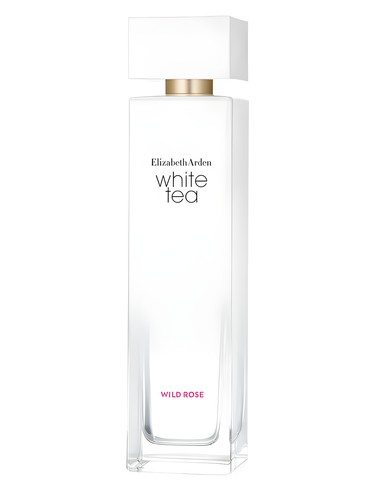
The first spritz of White Tea Wild Rose delivers an immediate sense of dewy optimism. There''s a crystalline quality to the opening—the white tea accord mingles with red currant and pear blossom to create something that feels like morning light filtering through a garden after spring rain. The palmarosa adds an unexpected green-rosy dimension that keeps the composition from veering into generic territory. This is a fragrance that announces itself with grace rather than volume, a soft-spoken introduction that draws you closer rather than commanding attention from across the room.
What strikes you initially is the freshness. This isn''t the heady, indolic rose of vintage perfumery, nor is it the jammy sweetness of modern gourmand interpretations. Instead, Elizabeth Arden''s 2019 creation presents rose as if seen through a veil of steam rising from a cup of white tea—delicate, refined, and undeniably contemporary.
The Scent Profile
The composition unfolds with remarkable transparency. Those top notes of white tea and red currant provide a crisp, slightly tart framework, while pear blossom contributes a watery, almost translucent sweetness. Palmarosa, often overlooked in fragrance discussions, deserves special mention here—it bridges the opening''s freshness with the floral heart, adding a lemony-rosy facet that feels both aromatic and comforting.
As the fragrance settles, the heart reveals its true character: a rose lover''s meditation rendered in multiple dimensions. Bulgarian rose and Turkish rose form the backbone, creating that 100% rose accord dominance reflected in the data. But this isn''t a rose solo; peony adds powdery softness and volume, while clary sage introduces an herbaceous, slightly bitter counterpoint that prevents the florals from becoming cloying. The interplay creates something genuinely lovely—a floral composition that feels both romantic and wearable, feminine without being saccharine.
The base, in theory, should anchor this delicate structure with musk, mate, amber, and tonka bean. There''s a subtle warmth that emerges, a gentle muskiness (registering at 45% in the accord profile) that should provide skin-like intimacy. The mate adds an earthy, tea-like consistency that ties back to the opening''s white tea concept, while amber and tonka offer barely-there sweetness and depth. The operative phrase here, unfortunately, is "should"—because the base''s promised evolution depends on the fragrance actually lasting long enough to reach it.
Character & Occasion
The data tells a clear story: this is a spring and summer fragrance, scoring 100% and 90% respectively for those seasons. With its fresh (72%) and green (50%) accords supporting the dominant rose and floral character, White Tea Wild Rose thrives in warm weather when its lightness reads as refreshing rather than insubstantial. Those cooler months—fall at 37% and winter at a mere 20%—simply don''t provide the right canvas for such a delicate composition.
The day versus night numbers are even more decisive: 99% day, 17% night. This is unequivocally a daytime fragrance, suited for office environments, brunch dates, garden parties, or any occasion where you want to smell polished and pretty without overwhelming the room. It''s the olfactory equivalent of a well-pressed linen dress—appropriate, attractive, and utterly civilized.
The question is who wants to reapply their fragrance multiple times during even a modest day out?
Community Verdict
Here''s where we must confront the elephant in the room—or rather, the rose that vanishes from the skin. Based on 22 community opinions, the sentiment scores a middling 6.5 out of 10, and the reason becomes immediately apparent in user experiences.
The pros are genuine: users consistently praise the rose and peony combination, with multiple reviewers noting its similarity to the now-discontinued Stella by Stella McCartney. Descriptions like "lovely, gorgeous floral scent with citrus and woody base" capture the fragrance''s undeniable charm. For those seeking a light floral that doesn''t announce itself aggressively, the scent profile delivers.
But the cons are impossible to ignore. The consensus on longevity is damning—most users report a mere 1-2 hours of wear. For a premium fragrance from an established house like Elizabeth Arden, this performance simply doesn''t meet expectations. The community repeatedly describes it as "very expensive for the longevity performance," and that assessment is difficult to dispute. Users note it offers a "light rosewater scent rather than deep and complex," which some may find appropriate for the aesthetic, but combined with the disappearing act, it creates genuine value concerns.
The best-use cases tell the story: daytime casual wear, occasions requiring frequent reapplication, and as a lighter alternative to Stella. These aren''t ringing endorsements so much as tactical workarounds for the fragrance''s limitations.
How It Compares
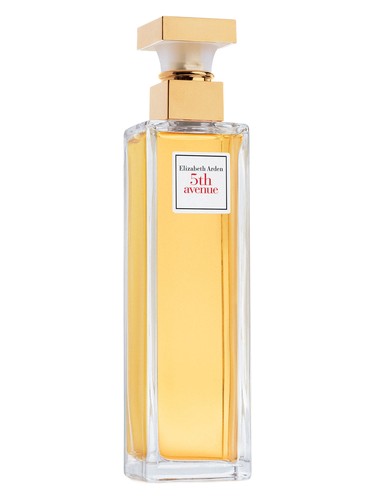
White Tea Wild Rose finds itself in prestigious company among the similar fragrances: Chloé Eau de Parfum, Eclat d''Arpège, Bright Crystal, and Chance Eau Tendre represent some of the most successful fresh florals of the past two decades. Elizabeth Arden''s own 5th Avenue also appears in this constellation.
What these fragrances share is a commitment to wearability, to rose and florals rendered in modern, accessible ways. Where White Tea Wild Rose distinguishes itself is in that tea-inflected freshness and the specific rose-peony pairing that evokes Stella. Where it falls short is in performance—most of these comparisons offer significantly better longevity at similar or lower price points.
The Bottom Line
With a rating of 3.93 out of 5 from 534 votes, White Tea Wild Rose sits firmly in "pleasant but problematic" territory. The scent itself deserves appreciation—it''s a well-composed, beautiful floral that captures a specific mood of fresh, contemporary femininity. On a pure olfactory level, it achieves what it sets out to do.
The longevity issue, however, cannot be dismissed as a minor quibble. At a premium price point, expecting a fragrance to last beyond the first meeting of the day isn''t unreasonable—it''s baseline. Body chemistry variations exist, certainly, but when community consensus this strongly emphasizes poor performance, it suggests a formulation issue rather than individual skin variation.
Who should try it? Stella devotees searching for their lost love will find the closest approximation currently available. Those who specifically want a whisper-light rose for short-duration wear—perhaps keeping it in a desk drawer for midday refreshment—might find the profile worth the performance trade-off. And anyone who prizes scent over longevity and doesn''t mind frequent reapplication could genuinely enjoy what this fragrance offers in its brief lifespan.
But for most fragrance lovers, especially those watching their budget or seeking reliable all-day performance, White Tea Wild Rose presents a frustrating paradox: a lovely rose that simply doesn''t stay long enough to be truly loved.
AI-generated editorial review