First Impressions
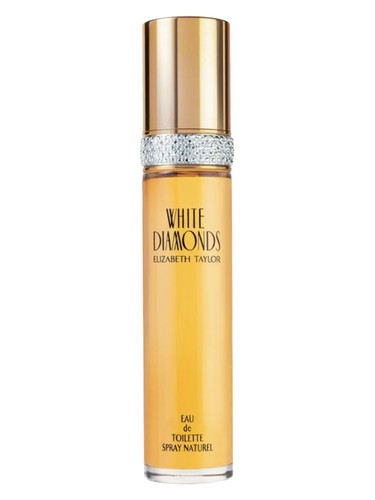
The first spray of White Diamonds announces itself like a grand entrance down a marble staircase—no timid introduction, no subtle fade-in. Aldehydes burst forth with that unmistakable sparkle, a champagne fizz of lily and neroli that immediately transports you to a time when perfume was meant to make a statement. This is not a fragrance that taps you on the shoulder; it extends a gloved hand and demands your attention. The opening is bright, almost aggressively floral, with citrus notes of orange and bergamot attempting to temper what is essentially a white floral symphony tuning up for its full performance. Within moments, you understand why this scent requires restraint—a little goes a very long way.
The Scent Profile
White Diamonds builds its reputation on an extravagant white floral core, dominating at 100% of its accord profile. The aldehydic opening (53% of the composition) creates that classic, soapy-powdery effect that defined luxury perfumery in the mid-20th century, though this 1991 release arrived just as such formulations were falling out of mainstream favor.
As the top notes settle, the heart reveals its true ambition: a veritable garden of white florals anchored by Egyptian tuberose and jasmine. Ylang-ylang adds its creamy, almost banana-like sweetness, while narcissus and carnation contribute a spicy greenness that prevents the composition from becoming cloying. Turkish rose and Italian orris root lend sophistication, and there''s an unexpected warmth from cinnamon that bridges the floral heart to the woody base (48% woody accord). This spicy element, contributing to the 38% warm spicy accord, gives White Diamonds an edge that separates it from purely decorative florals.
The base is where longevity lives. Musk and amber provide that skin-hugging persistence, while sandalwood adds creaminess and oakmoss contributes a vintage chypre-like depth. Patchouli grounds everything with its earthy richness, ensuring this fragrance doesn''t float away but instead settles into a warm, woody finish that can last for hours—sometimes longer than you might intend.
Character & Occasion
The data tells an interesting story about White Diamonds'' ideal habitat: it''s a cold-weather creature through and through. Winter wear scores 94%, fall comes in at 84%, while summer limps along at just 29%. This makes perfect sense—the richness and projection of this fragrance would be suffocating in heat but becomes enveloping and luxurious when there''s a chill in the air.
Night wear registers at 100%, which tracks with the fragrance''s dramatic personality, though daytime wear at 68% suggests it''s versatile enough for daytime events if applied with discretion. This is the scent for holiday parties, evening dinners, theater nights, and any occasion where "understated" isn''t on the dress code. It pairs best with statement jewelry, red lipstick, and confidence.
Who is White Diamonds for? The community consensus points to mature women seeking classic sophistication, though there''s an interesting resurgence among younger wearers drawn to 1990s nostalgia. It''s for anyone who appreciates that aldehydes and white florals represent a specific vision of femininity—glamorous, formal, and uncompromising.
Community Verdict
With 102 community opinions analyzed, White Diamonds earns a positive sentiment score of 7.5 out of 10—respectable for a fragrance that polarizes as much as it captivates. The broader rating of 3.44 out of 5 from 3,342 votes reflects this divisiveness.
The pros are clear: it''s iconic, with many citing childhood memories of glamorous women in their lives wearing it. The performance is legendary—strong, long-lasting, and occasionally problematic in its tenacity. Vintage fragrance lovers appreciate its classic aldehyde-based structure, recognizing it as a legitimate entry in that hallowed category.
The cons are equally candid. "Very potent and pungent" appears repeatedly in community feedback, with multiple warnings about application restraint. Many find it dated or overpowering, and it decidedly doesn''t align with modern preferences for skin-scents and fresh, minimalist compositions. One user''s "pungent" becomes another''s "powerful," depending entirely on your relationship with bold, traditional fragrances.
The community ultimately views White Diamonds as a fragrance that "demands respect in dosage"—wear it with intention, not abandon.
How It Compares
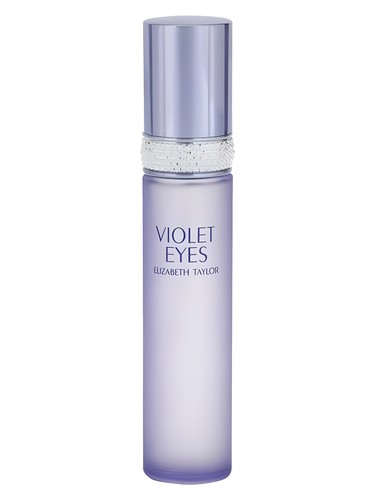
White Diamonds sits comfortably alongside other white floral powerhouses like Amarige by Givenchy and Organza by Givenchy, sharing that unabashed floral intensity. The comparison to Chanel No 5 Parfum isn''t accidental—both employ aldehydes to create that expensive, soapy shimmer that defined luxury for decades. Elizabeth Arden''s 5th Avenue offers a similar approachability at the same price point, while Elizabeth Taylor''s own Passion provides an alternative for those wanting the Taylor brand with different floral emphasis.
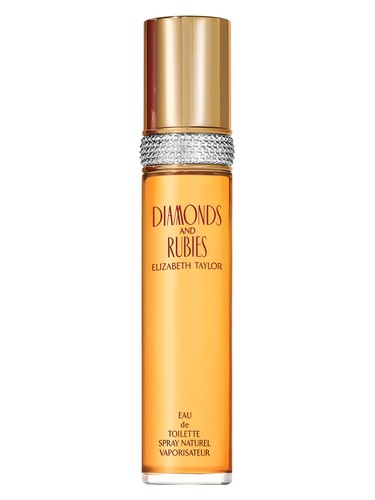
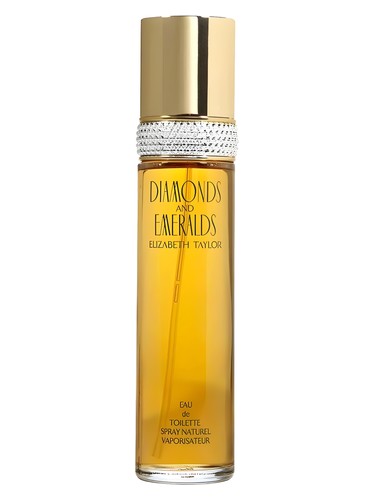
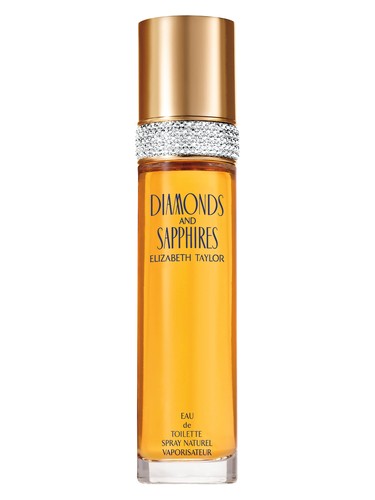
Where White Diamonds distinguishes itself is in its accessibility—both in price and in its celebrity provenance. This was Elizabeth Taylor''s fragrance, named after her legendary jewelry collection, and that connection to old Hollywood glamour remains part of its appeal.
The Bottom Line
White Diamonds is not for everyone, and it doesn''t pretend to be. With its 3.44 rating, it occupies that interesting space of being genuinely beloved by its devotees while leaving others running for fresh air. At its typically affordable price point (significantly less than the prestige aldehydes it emulates), it offers remarkable value for anyone seeking that classic white floral experience.
Should you try it? Absolutely, if you''re curious about vintage-style fragrances, if you have fond memories of 1990s perfume counters, or if you simply want to understand what unapologetic glamour smells like. Sample it first—a decant or a spray at a department store—because this is not a fragrance that reveals itself on a testing strip. It needs skin, time, and an honest assessment of whether you want to smell this powerful all day.
Just remember: one spray is a statement. Two is a declaration. Three is a mistake.
AI-generated editorial review