First Impressions
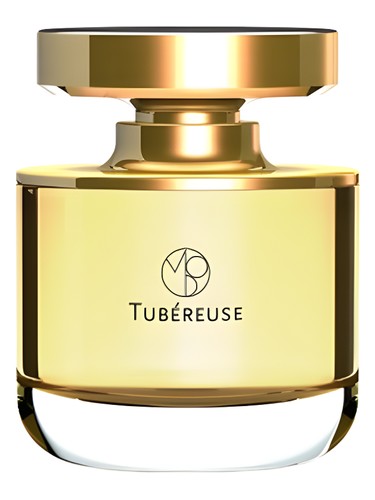
Spray Tubereuse by Mona di Orio, and prepare to recalibrate everything you thought you knew about tuberose fragrances. This isn''t the creamy, narcotic white flower of wedding bouquets or bombshell evenings. Instead, the opening arrives with an unexpected brightness—pink pepper lending a gentle spice, bergamot offering citrus clarity—before revealing something far more subversive beneath. There''s an earthiness here, a green-blooded vitality that feels less like cut flowers arranged in a vase and more like petals still drawing nutrients from rich soil. This is tuberose with dirt under its fingernails.
The late Mona di Orio, a perfumer known for challenging conventions while respecting classical structures, created something of a paradox with this 2011 release. It carries the tuberose name with pride—the accord registers at 100% in its DNA—yet refuses to play by the expected rules. The result is a fragrance that commands attention not through volume, but through its peculiar, compelling character.
The Scent Profile
The journey begins brightly enough. Pink pepper provides a rosy-spicy lift, while bergamot adds a whisper of cologne-like freshness. But these top notes serve more as gateway than feature presentation—they''re the polite introduction before the conversation takes an unexpected turn.
As the fragrance settles, Indian tuberose emerges in all its glory, but it''s a tuberose refracted through an unusual lens. Rather than leaning into the typical creamy, buttery opulence, Mona di Orio has paired it with heliotrope—a note that brings an almond-like powderiness and subtle vanilla sweetness. The combination creates a white floral heart (80% accord strength) that feels simultaneously familiar and strange. There''s that recognizable tuberose intensity, yes, but tempered by a delicate dustiness that softens its edges while adding an almost vintage quality, like silk powder puffs in an art deco compact.
The base is where the real alchemy happens. Cashmeran—a synthetic musk with woody, ambery facets—provides a diffusive softness that allows the florals to float rather than sink. Benzoin adds a resinous warmth and subtle vanilla sweetness (52% vanilla accord) that deepens the powdery character established by the heliotrope. Together, these create an amber-musky foundation (63% and 55% respectively) that gives the entire composition a skin-like intimacy. This is where those animalic whispers that the community mentions emerge—not overtly indolic or skanky, but unmistakably warm-blooded and alive.
Character & Occasion
Despite tuberose''s reputation as a summer flower, this interpretation proves remarkably versatile across seasons. The data confirms what the nose suspects: this is a spring signature above all (97%), equally at home in summer (82%), and still compelling through fall (71%). Only winter (31%) seems to diminish its appeal, likely because its green-earth character craves the energy of growing seasons rather than dormant months.
The fragrance skews decidedly daytime (100%), though it maintains respectable evening presence (57%). This makes perfect sense—the brightness of bergamot and the powdery softness keep it from feeling too heavy or overtly seductive for daylight hours, while the musky-amber base provides enough warmth for cocktails or dinner when the occasion calls.
This is distinctly marketed as feminine, and the composition''s balance of white florals and powder certainly nods to classical feminine archetypes. Yet the earthy, animalic elements and sophisticated restraint could easily appeal to anyone drawn to complex, naturalistic florals regardless of gender.
Community Verdict
The fragrance community on Reddit speaks with a notably positive sentiment (7.5/10), particularly valuing what makes Tubereuse unusual. Based on 22 opinions, the consensus celebrates its "green, earthy, and sophisticated character" that distinguishes it from typical tuberose treatments. Those "unique animalic notes" receive specific praise for adding depth and intrigue to what could otherwise be a straightforward white floral exercise. The overall composition earns recognition as "well-composed and intriguing."
But honesty requires acknowledging the challenges. The price point draws criticism, though commenters concede it reflects the quality of materials used. Limited availability and release constraints frustrate those who want to experience or purchase it. Perhaps most tellingly, the community acknowledges this fragrance''s "niche appeal may not suit all preferences"—a diplomatic way of saying Tubereuse demands a certain sophistication of taste.
The recommended use cases align with expectations: cooler weather wear (despite being a floral), personal collection pieces for those building a curated wardrobe, and specifically "fragrance enthusiasts"—those who appreciate perfume as art rather than accessory. The community''s own summary notes this is "best suited for dedicated collectors rather than mass appeal."
How It Compares
The comparisons offered place Tubereuse in illustrious company. Fracas by Robert Piguet represents the tuberose gold standard—lush, bombastic, unapologetically loud. Against that reference, Mona di Orio''s interpretation reads as the cerebral counterpoint. Datura Noir by Serge Lutens shares the animalic-floral territory, while Poison by Dior and Coco Eau de Parfum by Chanel suggest the vintage-inflected powderiness that Tubereuse channels. Even the mention of Musc by Mona di Orio (from the same house) points to shared DNA in those skin-like musky bases.
Where Tubereuse distinguishes itself is in restraint married to complexity. It doesn''t shout; it compels you to lean closer.
The Bottom Line
With a rating of 3.89 out of 5 based on 528 votes, Tubereuse sits comfortably in "very good" territory without quite achieving "masterpiece" consensus. This seems fair. This is not a fragrance that will convert tuberose skeptics or satisfy those seeking conventional white floral beauty. The price-to-availability ratio presents real barriers to entry.
But for those who appreciate perfume as an artistic medium—who want their tuberose earthy rather than ethereal, sophisticated rather than sweet—Tubereuse offers something genuinely distinctive. It''s a fragrance that rewards patience and attention, revealing its green-blooded character gradually to those willing to look beyond the obvious.
Should you try it? If you collect perfume rather than simply wear it, if you''re drawn to naturalistic interpretations over polished abstractions, if you want tuberose that challenges rather than comforts—absolutely. Just know you''re entering territory best suited for spring mornings and collectors'' shelves, where complexity matters more than crowd-pleasing.
AI-generated editorial review