First Impressions
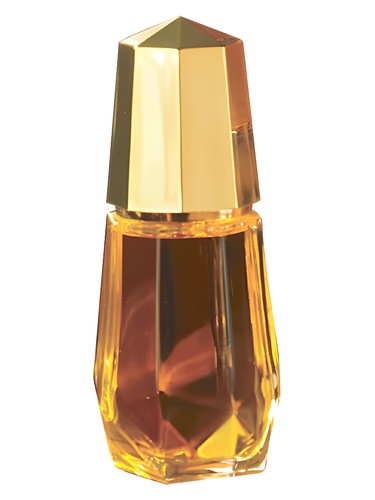
The first spray of Timeless throws you directly into 1970s perfume ambition—when Avon wasn''t content to simply sell catalog fragrances, but wanted to claim a seat at the table with the great French houses. That opening salvo of aldehydes lifts gardenia and citrus into a shimmering, almost champagne-like effervescence that announces itself without apology. There''s peach softness tempering the aldehydic sparkle, while bergamot and lemon provide just enough brightness to keep the composition from feeling heavy. This is not a fragrance that whispers. It proclaims, with the confidence of an era when perfume was meant to be noticed across a room.
What strikes you immediately is how unapologetically rich this feels—how it channels the DNA of classics like Chanel No. 5 or Arpège through a distinctly American lens. The gardenia note blooms almost immediately, creamy and indolic, hinting at the amber avalanche that''s building beneath the surface.
The Scent Profile
Timeless reveals itself in waves, each more enveloping than the last. Those aldehydes that dominated the opening begin to recede within twenty minutes, allowing the gardenia to fully unfurl alongside its floral companions. The heart is where this fragrance shows its complex hand: jasmine and rose provide the expected floral opulence, but they''re grounded—almost weighted down—by patchouli and cedar that give the composition an earthy, woody backbone.
The iris adds a powdery softness that keeps the florals from turning too heady or indolic. This is where Timeless distinguishes itself from pure floral bombs of its era; that woody-powdery interplay creates breathing room, a sophisticated restraint that balances the richness. The patchouli isn''t the dark, hippie-era patchouli of head shops—it''s refined, almost dusty, working in concert with the cedar to create a sense of depth.
But the base is where Timeless earns its name and its 100% amber accord rating. As the fragrance settles into its final act—and this is a perfume with serious longevity—opoponax brings a sweet, balsamic resinousness that mingles with amber to create that classic Oriental warmth. Tonka bean and vanilla add sweetness without tipping into gourmand territory, while musk provides an animalic undertone that keeps everything tethered to skin. This is amber perfumery done with a firm hand: sweet but not cloying, warm but not suffocating, rich but structured by those persistent woody notes that carry through from the heart.
Character & Occasion
The community data tells a clear story: Timeless is a cold-weather companion. With perfect scores for winter and near-perfect marks for fall (97%), this is decidedly not a fragrance for humid summer evenings or spring garden parties. That amber-balsamic core and the substantial sillage demand cooler temperatures to truly shine. The 27% spring rating suggests it might work on the chillier transitional days, but summer''s 16% rating confirms what your nose already knows—this beauty needs sweater weather.
Interestingly, while 96% of wearers favor it for night, 64% also find it appropriate for daytime wear. This versatility speaks to Timeless''s refined structure; yes, it''s rich and substantial, but it''s not the cloying, room-clearing monster that some 1970s Orientals could be. A lighter application makes it office-appropriate for those who work in creative or less conservative environments, while a full spray transforms it into proper evening glamour.
This is a fragrance for someone who appreciates vintage perfume aesthetics without necessarily wanting to smell like they raided their grandmother''s vanity. It requires confidence—you need to be comfortable being noticed—but rewards that confidence with genuine sophistication.
Community Verdict
With 817 votes tallying to a 3.88 out of 5, Timeless occupies interesting territory. This isn''t a polarizing 2.5 or a universally beloved 4.5. It''s a solid, respectable rating that suggests a fragrance that delivers on its promises without necessarily revolutionizing anyone''s collection. That score reflects both appreciation for what it achieves—substantial quality from an unexpected source—and perhaps some reservations about its boldness or its old-fashioned structure.
The substantial vote count indicates this isn''t some forgotten relic; people are still seeking out, wearing, and forming opinions about a fragrance that''s now fifty years old. That longevity itself says something meaningful.
How It Compares
The comparison to Dune by Dior, Coco EDP, Shalimar, Obsession, and Youth-Dew places Timeless squarely in the canon of great amber-Oriental fragrances. It shares Youth-Dew''s balsamic richness and Obsession''s amber intensity, while the aldehydic opening nods toward the structure of classics like Chanel No. 22. What distinguishes it is perhaps what it lacks: the absolute prestige of those names.
Timeless smells like it could sit alongside these legends, and in many blind tests, it probably has. The woody-amber combination gives it a more masculine edge than pure floral Orientals, positioning it closer to the Coco family than to straight floral bombs.
The Bottom Line
Timeless represents an fascinating moment in perfume history—when mass-market brands employed serious perfumers and real ingredients to create fragrances that could genuinely compete with luxury offerings. At its likely accessible price point (when you can find it), it offers remarkable value for anyone who loves classic amber-woody Oriental fragrances.
Should you seek it out? If you appreciate any of its listed comparisons, absolutely. If you''re curious about vintage perfume structures but intimidated by the price tags of Guerlain or Chanel, Timeless offers an accessible education. Just remember: this is not a minimalist, skin-scent fragrance. It''s a full-throated celebration of amber, woods, and florals that assumes you want to be remembered when you leave the room.
That 3.88 rating tells the truth: it''s very good, occasionally great, but perhaps missing that final touch of magic that would make it legendary. For many wearers, especially those who cherish the opulent perfume traditions of the 1970s, that''s more than enough.
AI-generated editorial review