First Impressions
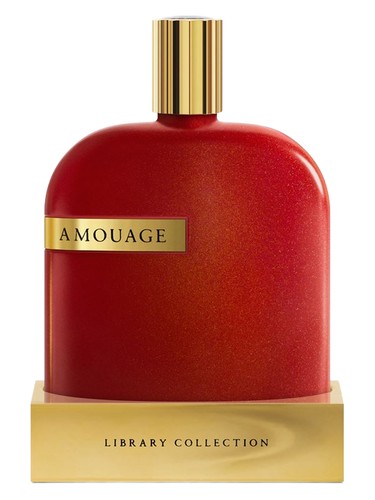
The first spray of Amouage''s Library Collection Opus IX feels like interrupting something intimate—jasmine in full, narcotic bloom colliding with the sharp crack of black pepper, while camelia adds its waxy, tea-like whisper. But this is no demure garden party. Within moments, something feral stirs beneath the white florals, a hint of musk and skin that suggests this fragrance has little interest in playing nice. This is Amouage operating at its most audacious, taking the classical white floral structure and dragging it through something altogether more primal.
The opening announces itself with confidence but not aggression. There''s a classical femininity here, certainly—those white flowers are unmistakable—but it''s the femininity of a woman who keeps a hunting knife in her library desk drawer. The pepper doesn''t simply accent; it warns.
The Scent Profile
Jasmine dominates the opening, but this isn''t the clean, soapy jasmine of modern florals. It''s indolic, heady, almost overripe—the kind that blooms at night and attracts moths rather than butterflies. Camelia tempers some of jasmine''s intensity with its green, waxy character, while black pepper provides a crackling, aromatic bite that keeps the composition from tipping into cloying sweetness.
As the fragrance settles into its heart, the real transformation begins. Beeswax emerges with its honeyed, slightly smoky warmth, creating a bridge between the floral opening and what comes next: leather. Not the clean suede of modern fragrances, but something more honest—broken-in, lived-in, with the faint tang of human contact. Guaiac wood adds a smoky, resinous quality that deepens the shadows gathering around those white flowers. This middle phase is where Opus IX reveals its true nature: this is a fragrance about contrasts, about beauty and beast existing in the same breath.
The base is where things get truly interesting—and potentially divisive. Civet brings its famously animalic character, a musky, almost feral quality that was once a staple of classical perfumery but has fallen out of fashion in recent decades. Ambergris adds marine depth and a subtle sweetness that somehow makes the composition feel both ancient and oceanic. Vetiver provides earthy grounding, its roots holding this whole wild garden in place. The overall effect is intensely animalic, powerfully present, and utterly unapologetic.
Character & Occasion
The data tells a clear story: this is a fragrance born for cooler weather. Fall receives it with open arms, and winter follows closely behind—unsurprising given the heavy animalic character and rich, enveloping warmth. Spring offers some viability (60%), while summer''s heat would likely amplify the intensity to potentially overwhelming levels.
Interestingly, while community data shows 69% day wear, night wear soars to 95%. This dual nature makes sense once you understand Opus IX''s character. During daylight hours, worn with a light hand, it can project sophisticated, slightly unconventional elegance—perfect for the woman who wants to be noticed but not necessarily understood. After dark, applied more generously, it transforms into something more overtly sensual, more deliberately provocative.
This is decidedly not a fragrance for everyone. It demands a wearer who is comfortable with intensity, who doesn''t flinch at the idea of smelling powerfully present. The dominant animalic accord (100%) means you''re wearing something with a heartbeat, something alive. If your fragrance tastes run exclusively modern and clean, Opus IX will likely feel confrontational. But if you''ve ever been curious about what perfumery was like before everything became safe and scrubbed, this is your gateway.
Community Verdict
With 742 votes landing at a solid 4 out of 5 stars, the community verdict suggests a fragrance that rewards but doesn''t universally please. That rating profile is telling: this isn''t a crowd-pleaser scoring 3.5 through broad, mild approval, nor is it a polarizing 4.5 beloved by devotees and hated by everyone else. Instead, it''s a 4—very good, occasionally great, with acknowledged quirks that some will read as flaws and others as character.
The substantial vote count indicates this isn''t a forgotten library curiosity but rather a fragrance that continues to intrigue and attract attention. For a niche release in Amouage''s limited Library Collection, that level of engagement speaks volumes.
How It Compares
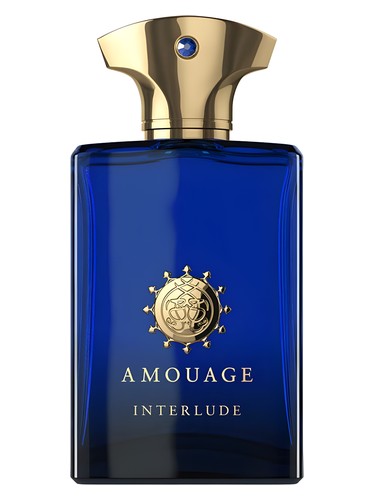
The similar fragrances list reads like a who''s who of unapologetically bold perfumery. Memoir Woman, also from Amouage, shares that animalic sensibility, while the legendary Shalimar represents the classical amber-oriental tradition that Opus IX both honors and subverts. Tauer''s L''Air du Desert Marocain connects through shared amber and spice warmth, while Interlude Man and Opus VI demonstrate Amouage''s consistent willingness to push boundaries.
What sets Opus IX apart is its particular balance—more animalic than Memoir, more floral than L''Air du Desert Marocain, more wearable than Interlude Man''s incense bomb. It occupies a specific niche: the white floral gone rogue, the lady and the beast in a single bottle.
The Bottom Line
The Library Collection Opus IX isn''t asking for universal love—it''s asking for the right wearer. At 4 out of 5 stars from a substantial community, it''s proven itself as more than a curiosity; it''s a legitimate contender for those seeking something beyond the ordinary.
This is a fragrance for the woman who finds typical white florals boring, who wants her jasmine with teeth. It''s for cold evenings and long dinners, for making an impression that lingers in memory and on clothing. The animalic character means it won''t suit office environments or minimalist tastes, but for those occasions when you want to smell like something powerful and alive, Opus IX delivers.
If you''ve been curious about vintage-style animalic perfumes but intimidated by the truly feral classics, this offers a surprisingly approachable entry point. And if you already know you love big, bold, uncompromising fragrances, consider this essential exploration. Just remember: a little goes a very long way into the wild.
AI-generated editorial review