First Impressions
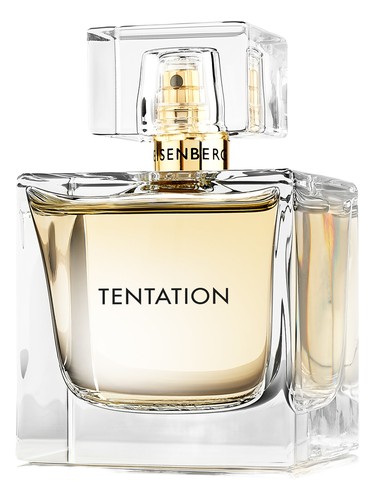
The first spray of Tentation reveals Eisenberg''s calculated approach to modern femininity—a burst of pink pepper and black currant that bites gently before softening, tempered by the green, resinous quality of cypress. There''s an immediate sophistication here, a refusal to lean into simple sweetness despite the vanilla-forward reputation that precedes it. The bergamot adds a citrus brightness that feels almost contradictory against the aromatic cypress, creating a tension that''s genuinely intriguing. This isn''t a fragrance that announces itself with a single voice; it whispers multiple promises at once.
The Scent Profile
That opening quartet—black currant, pink pepper, cypress, and bergamot—sets up a compelling narrative arc. The pink pepper provides a fizzy, almost champagne-like effervescence, while the black currant contributes a tart fruitiness that never crosses into jammy territory. The cypress is the surprise player here, lending an aromatic greenness that grounds what could otherwise veer toward conventional fruity-floral territory. It''s an unusual choice for a feminine fragrance, and it works.
As Tentation settles into its heart, the composition reveals its more classical ambitions. Violet and rose emerge as the floral anchors, with jasmine adding indolic depth. But the wildcard is the sea water accord—a note that brings an almost ozonic salinity to the middle phase. This aquatic element creates breathing room in what might otherwise become a dense floral bouquet, adding an unexpected freshness that keeps the composition from feeling dated despite its 2010 launch.
The base is where Tentation earns its name. Vanilla takes center stage with unapologetic dominance (the data shows it at 100% of the main accord profile), but this isn''t a simple vanilla cupcake fantasy. The supporting cast of tonka bean amplifies the sweet, hay-like coumarin warmth, while sandalwood and patchouli provide woody depth that registers at 71% in the accord analysis. Musk adds skin-like intimacy, and together these base notes create a powdery (59% accord strength) cocoon that feels simultaneously vintage-inspired and thoroughly modern. The interplay between sweet vanilla and earthy patchouli is particularly well-executed—neither overpowers the other.
Character & Occasion
Tentation is unquestionably a cold-weather creature. The data tells a clear story: winter scores 100%, fall comes in at 97%, while spring drops to 39% and summer languishes at just 18%. This is a fragrance that needs the contrast of crisp air to truly shine. In warm weather, that vanilla-tonka-sandalwood base could feel suffocating; against a backdrop of frost and wool coats, it becomes enveloping and comforting.
The day-to-night split is equally revealing—74% day versus 92% night. While Tentation can certainly be worn during daylight hours, it truly comes alive after dark. This is a date-night fragrance, a dinner-reservation scent, something for evenings when you want to leave an impression without shouting. The vanilla dominance ensures approachability, while the woody-powdery elements add sophistication that elevates it beyond casual wear.
This is a fragrance for someone who appreciates comfort with complexity—for the woman who wants to feel wrapped in something soft and inviting, but refuses to sacrifice depth for wearability.
Community Verdict
With a rating of 3.92 out of 5 from 651 votes, Tentation sits comfortably in "very good" territory. This isn''t a polarizing masterpiece that divides opinion, nor is it a forgettable also-ran. That nearly 4-star average from a substantial voter base suggests consistent quality—people who try this fragrance generally like it, even if they don''t necessarily fall head over heels. The solid vote count indicates this is more than a niche curiosity; it''s found its audience and earned their measured approval.
How It Compares
Eisenberg positions Tentation in interesting company. The comparisons to Hypnotic Poison by Dior and Black Opium by Yves Saint Laurent make sense given the vanilla-forward profiles, though Tentation is notably less aggressive than either. Where Black Opium leans into coffee and sweetness with club-ready intensity, Tentation takes a more refined approach. The Lalique Le Parfum comparison highlights the powdery-woody overlap, while Dolce Vita by Dior suggests a shared vintage-inspired sensibility.
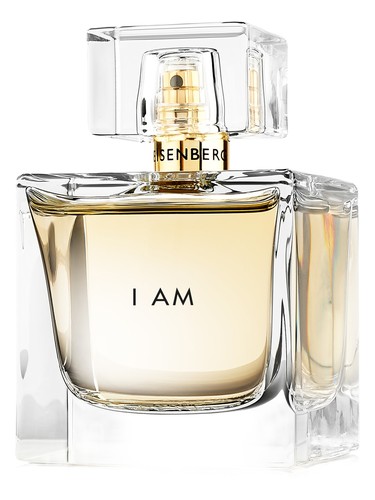
The closest sibling is likely I Am by Eisenberg, keeping things in the family. What distinguishes Tentation in this crowd is that aromatic cypress note in the opening and the sea water accord in the heart—elements that prevent it from becoming just another vanilla-woody composition in an oversaturated market.
The Bottom Line
Tentation deserves its 3.92 rating—it''s a well-constructed fragrance that knows exactly what it wants to be. This isn''t groundbreaking perfumery, but it''s not trying to be. Instead, it offers a refined take on the vanilla-woody genre with enough unique touches (that cypress, that sea water) to justify its existence beyond mere flanker territory.
The sweet spot for this fragrance is someone seeking a cold-weather signature that feels grown-up without being austere, comforting without being basic. If you loved Hypnotic Poison but found it too intense, or if Black Opium feels too young for where you are now, Tentation offers a middle path worth exploring. At its heart, this is a fragrance about balance—between sweet and woody, between approachable and sophisticated, between day and night. It doesn''t choose sides, and that versatility is precisely its strength.
AI-generated editorial review