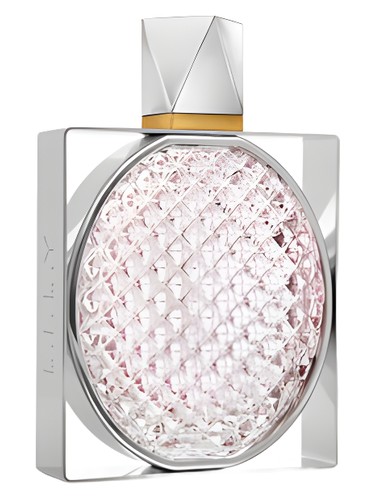
First Impressions
The first spray of Stella is a declaration. This is rose—pure, proud, and completely unashamed of its femininity. But before you dismiss it as another garden-variety floral, there''s a brightness here that catches you off guard. A whisper of mandarin orange cuts through the petals, while peony adds a delicate transparency that keeps the opening from feeling heavy or old-fashioned. It''s the olfactory equivalent of pushing open French doors onto a spring morning, where dew-kissed roses compete with citrus trees for your attention. Within seconds, you understand Stella McCartney''s vision: this isn''t about deconstructing the rose or apologizing for it. This is about celebrating it in its most radiant form.
The Scent Profile
Stella''s structure reveals itself with refreshing honesty. The top notes—rose, peony, and mandarin orange—create an immediate impression that''s both classic and contemporary. That citrus element, while constituting 38% of the fragrance''s character, never tries to steal the spotlight. Instead, the mandarin acts as a highlighter, illuminating the rose and peony with a brightness that feels optimistic and energizing.
The heart confirms what the opening promised: this is rose''s show. The floral accord, making up 66% of the composition, doubles down on the rose theme without variation or distraction. Some might call this single-minded; others will appreciate the clarity of vision. There''s no parade of supporting florals here, no jasmine or iris stepping in to complicate matters. Just rose, rendered in full bloom, allowed to express itself completely. It''s a bold choice that creates a throughline from first spray to final wear.
As Stella settles into its base, amber and woody notes provide the foundation. These aren''t the dominant players—amber registers at 25% and woody notes at just 19%—but they''re crucial to the fragrance''s wearability. The amber adds warmth without sweetness, preventing the rose from turning soapy or austere. The woody notes ground everything just enough to keep this from floating away into pure abstraction. Together, they create a soft landing that allows the rose to fade gracefully rather than disappearing abruptly. The fresh accord, present at 34%, maintains that initial brightness through the dry down, ensuring Stella never feels dated or heavy on the skin.
Character & Occasion
The data tells a clear story about when Stella thrives, and spring claims it almost universally at 98%. This makes perfect sense—there''s something about this rose that captures the season''s essence, that moment when winter finally releases its grip and gardens burst into color. But Stella''s versatility extends beyond a single season. Fall follows at 68%, where that amber warmth becomes more apparent against cooler air. Summer registers at 67%, suggesting the fresh and citrus elements carry it through warmer months better than many rose-dominant fragrances. Even winter sees 43% approval, though this is clearly where Stella feels least at home.
The day/night split is even more definitive: 100% day, 49% night. This is a fragrance that belongs in natural light, worn to brunch or afternoon meetings, paired with linen and cotton rather than silk and velvet. That''s not a limitation—it''s a specialty. Not every fragrance needs to transition from boardroom to cocktail bar. Stella knows its lane and owns it completely.
Who is this for? Anyone who''s tired of pretending they don''t love rose. Anyone who wants to smell distinctly feminine without apology. Anyone who appreciates a fragrance that says exactly what it means.
Community Verdict
With a rating of 4.19 out of 5 from 1,109 votes, Stella has earned genuine affection from a substantial crowd. This isn''t a niche darling with 50 devotees—over a thousand people have weighed in, and the consensus is strongly positive. That rating suggests a fragrance that delivers on its promises without major controversies. It''s not pushing a perfect 5, which would be suspicious anyway, but it''s comfortably above the "just okay" threshold. This is a fragrance people return to, recommend, and genuinely enjoy wearing.
How It Compares
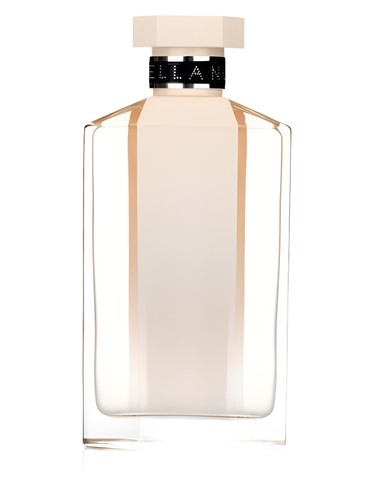
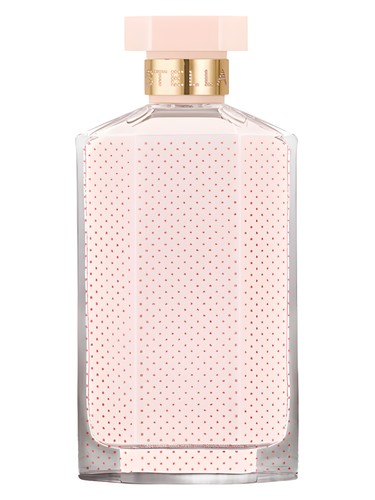
Stella exists in interesting company. The original Stella by Stella McCartney shares obvious DNA, while Chloé Eau de Parfum occupies similar territory in the modern rose category. Flowerbomb by Viktor&Rolf brings more intensity and sweetness, while Chance Eau Tendre offers a softer, more powdery take on floral-citrus combinations. Narciso Rodriguez for Her grounds its florals in musk rather than amber. What distinguishes this 2014 Stella is its directness—it''s more focused than Flowerbomb, brighter than Narciso Rodriguez, and more definitively rose-centric than Chance Eau Tendre. In a lineup of beautiful florals that sometimes hedge their bets, Stella commits fully to its vision.
The Bottom Line
Stella (2014) succeeds because it understands something fundamental: clarity is compelling. In an era when many fragrances try to be all things to all people, layering accord upon accord until the message becomes muddled, Stella takes the opposite approach. It''s a rose fragrance, full stop, brightened with citrus and warmed with amber. That might sound simple, but executing simplicity well requires confidence.
At 4.19 out of 5, this fragrance has proven its appeal beyond the honeymoon phase. Over a thousand votes suggest staying power in the market and in people''s collections. Should you try it? Absolutely, if you''re looking for a spring signature or a rose fragrance that feels current rather than nostalgic. It''s ideal for those who want their perfume to be recognized as distinctly feminine without feeling derivative or safe. Just know what you''re getting: this is a daylight fragrance, a warm-weather companion, a celebration of one flower rendered beautifully. Sometimes that''s exactly enough.
AI-generated editorial review