First Impressions
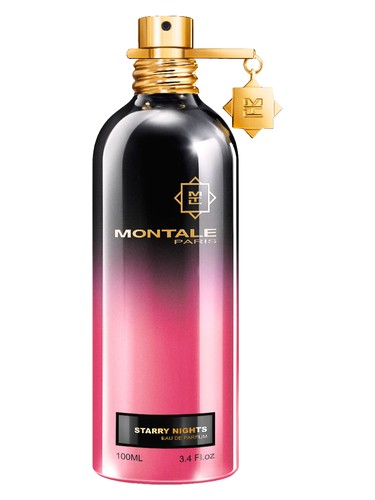
The first spray of Montale''s Starry Nights announces itself with unexpected brightness—a burst of citrus and crisp apple that feels almost cheerful against the name''s romantic promise. There''s an immediate sparkle of bergamot and lemon, tart and clean, before the fragrance takes a sharp turn into territory that will define your entire relationship with this scent. Within moments, a powdery veil descends, thick and encompassing, backed by a musky foundation that doesn''t whisper but shouts. This is where Starry Nights reveals its true nature: bold, unapologetically synthetic, and utterly uncompromising in its Middle Eastern-inspired approach to perfumery.
The Scent Profile
The opening accord of apple, bergamot, and lemon provides a deceptively fresh introduction. The apple brings a fruity sweetness that feels almost playful, while the citrus duo adds that necessary brightness. But this top note phase is fleeting—a brief overture before the main performance begins.
As the heart develops, rose and jasmine emerge alongside a prominent patchouli note. These florals, however, don''t present themselves in the delicate, garden-fresh manner you might expect. Instead, they''re rendered through a distinctly powdery lens, their natural character subdued beneath layers of what the fragrance world calls "powdery notes." The patchouli here isn''t earthy or hippie-esque; it''s part of the supporting cast for that dominant powdery accord that registers at full intensity.
The base is where Starry Nights either wins you over or loses you completely. White musk, amber, and additional powdery notes create a foundation that''s simultaneously soft in concept and aggressive in execution. This isn''t the skin-like musk of intimate fragrances; it''s bold, projecting, and built with the kind of synthetic muscle that Montale has become known for. The amber adds warmth, but it''s the type of warmth that can overwhelm—more radiator than candlelight.
Character & Occasion
According to wearing data, Starry Nights finds its strongest expression in fall (96%) and winter (84%), which makes perfect sense given its heavy, enveloping character. The powdery-musky combination creates a cocoon effect that suits cooler weather, though a significant portion of wearers also find it workable in spring (76%). Summer proves more challenging at just 50%—unsurprising for a fragrance this dense.
The day and night breakdown tells an interesting story: while 68% find it suitable for daytime wear, it reaches peak appropriateness at night (100%). This is a fragrance that thrives in low light, perhaps because its intensity feels less confrontational in evening settings, or perhaps because the "starry nights" promise finally aligns with actual nocturnal wearing.
This is ostensibly a feminine fragrance, but its bold synthetic architecture and Middle Eastern DNA give it a character that transcends traditional gender categories. It''s for someone who wants to be noticed, who doesn''t fear projection, and who appreciates the aesthetic of Arabian perfumery with its emphasis on power over subtlety.
Community Verdict
Here''s where we must address the elephant in the room: Starry Nights has a significant opposition. With a sentiment score of just 3.5 out of 10 from the Reddit fragrance community, based on 33 opinions, this is a fragrance that provokes strong negative reactions.
The pros are genuine but limited: wearers consistently note strong longevity and projection (Montale''s calling card), and some appreciate its unique Middle Eastern fragrance style. For those it works for, it really works.
But the cons are both numerous and concerning. The community repeatedly describes the woody-amber and musky notes as overly aggressive and synthetic. Words like "stinky," "industrial," and "nauseating" appear in discussions—strong language that suggests more than mere dislike. Multiple users report actual aversion reactions, with the high concentration of aromachemicals (potentially compounds like Amber Xtreme or synthetic amberwood) triggering sensitivity in those prone to such reactions.
The fragrance appears to work best for niche enthusiasts with proven tolerance for bold synthetics, and specifically for those seeking heavy amber-based Middle Eastern scents who''ve already explored this territory successfully.
How It Compares
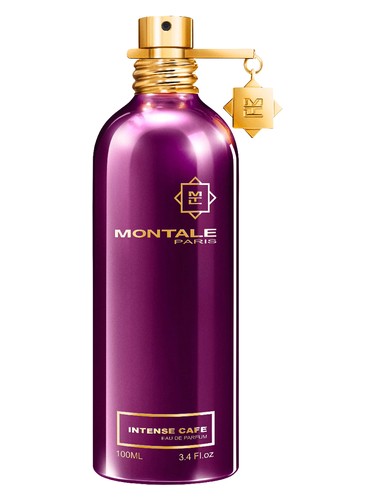
The similar fragrances list offers fascinating context. Coco Mademoiselle by Chanel shares the powdery-citrus-patchouli DNA but in a far more refined, wearable execution. Cedrat Boise by Mancera (Montale''s sister brand) suggests parallel construction techniques. The inclusion of Intense Cafe (also Montale) and Black Orchid by Tom Ford hints at the intensity level—these are all bold, unsubtle fragrances that divide opinion.
Starry Nights sits firmly in the "love it or hate it" category of Arabian-inspired Western perfumery, where performance trumps naturalism and projection is the point.
The Bottom Line
With a rating of 3.78 out of 5 from 2,458 votes, Starry Nights occupies an interesting middle ground numerically, but that rating masks a deeply polarized response. This isn''t a fragrance that most people find "pretty good"—it''s a fragrance some people love while others genuinely cannot tolerate.
Should you try it? Only if you already know you appreciate Montale''s synthetic approach and have no sensitivity to heavy aromachemical musks and ambers. Sample first, absolutely. Spray in-store and live with it for hours before committing. If synthetic woody-ambers have bothered you before, this will likely be unwearable.
For those it clicks with, Starry Nights offers impressive performance and a distinctive powdery-musky character at a more accessible price point than many niche alternatives. But this is specialist territory—a fragrance for the adventurous, the thick-skinned, and those who''ve already made peace with Montale''s controversial aesthetic. The starry promise may not deliver celestial dreams for everyone, but for its fans, it shines brightly indeed.
AI-generated editorial review