First Impressions
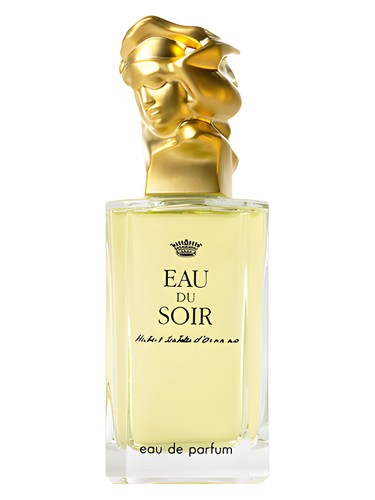
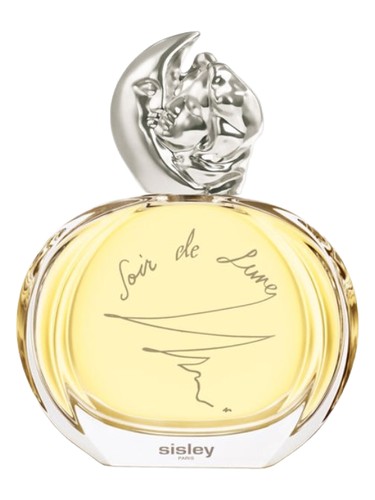
The first spray of Soir de Lune feels like stepping into a dimly lit conservatory at dusk—one where spice jars have been left uncapped and flowers have begun their evening unfurling. There''s an immediate contradiction at play: bright citrus and peppery coriander clash against something darker lurking beneath, a whisper of earth and moss that announces this is no sunshine floral. Within moments, that distinctive honey accord emerges—not the light drizzle of acacia, but something richer, almost medicinal in its intensity. This is Sisley''s nocturnal companion to their celebrated Eau du Soir, and it wears its evening ambitions openly.
The Scent Profile
Soir de Lune opens with a spice cabinet''s worth of complexity. Coriander, pepper oil, and nutmeg create an aromatic haze that feels simultaneously warming and sharp, while bergamot, lemon, and mandarin orange provide just enough brightness to keep the composition from collapsing into immediate darkness. It''s a bold opening—the kind that announces itself across a room—and it sets the stage for what''s to come.
As the top notes recede, the heart reveals why that 80% floral accord rating exists alongside such earthy, mossy dominance. May rose and jasmine form the classical backbone, but they''re softened by mimosa''s powdery sweetness and peach''s fruity roundness. Iris adds a cool, almost metallic quality, while lily-of-the-valley brings a green sharpness that prevents the florals from becoming too lush. This isn''t a soliflore showcase; each bloom is slightly obscured, as if viewed through amber glass.
But the base is where Soir de Lune reveals its true nature. Honey dominates at 100%—the highest possible accord rating—creating a golden, resinous sweetness that envelops everything that came before. Oakmoss and patchouli provide that 93% earthy and 92% mossy character, grounding the composition in classic chypre territory. Sandalwood and musk round out the foundation with creamy, skin-like warmth, while that 86% woody accord ensures the fragrance maintains structure even as it melts into the skin. The overall effect is complex: sweet but not cloying, earthy without being heavy, feminine without being delicate.
Character & Occasion
The data tells a clear story about Soir de Lune''s natural habitat: this is an autumn and winter fragrance first and foremost, scoring 100% and 90% respectively. Spring sees moderate appeal at 51%, while summer limps in at just 25%—and honestly, one spray in July heat would explain why. This is a fragrance with weight and richness, designed for cooler air and lower temperatures where its honey-soaked earthiness can unfurl without overwhelming.
The day versus night breakdown is particularly telling: while 74% find it suitable for daytime wear, a commanding 95% rate it for evening use. This is a fragrance that comes alive after dark, that feels most at home in candlelit restaurants, theater lobbies, and late-night conversations. The spiced honey opening and mossy base create an enveloping presence that suits intimate settings better than boardrooms.
Who should reach for Soir de Lune? Those who appreciate classic perfumery structures but want something distinctive. Anyone who finds modern fresh florals too thin or sweet gourmands too cloying. This is for the person who views fragrance as an extension of mood rather than simply a pleasant accessory—someone comfortable with a scent that commands attention rather than whispers politely.
Community Verdict
Here''s where things become interesting: despite a solid 3.99 out of 5 rating from 5,822 voters, the specific community discussions from fragrance forums remain notably sparse. The fragrance appears to exist in a peculiar space—widely sampled and rated, yet not generating the passionate debate that surrounds either universally beloved classics or divisive avant-garde releases. This neutral sentiment suggests a perfume that satisfies without necessarily inspiring devotion, one that performs competently without breaking hearts or making enemies. It''s the kind of fragrance that gets respectful nods rather than evangelical recommendations.
How It Compares
Sisley positions Soir de Lune alongside its stablemate Eau du Soir, and the family resemblance is clear—both traffic in elegant complexity and classical structures. The comparisons to Paloma Picasso''s eponymous fragrance make sense given the shared chypre DNA and unapologetic richness. The Chanel references—Coco Noir and Coco Mademoiselle—point to that polished, sophisticated femininity, though Soir de Lune skews darker and earthier than Mademoiselle''s bright patchouli. The Shalimar Parfum Initial connection highlights the oriental-leaning sweetness, that honeyed amber quality both fragrances share.
Within the modern chypre category, Soir de Lune occupies interesting territory. It''s less austere than pure oakmoss-driven classics, warmed considerably by that dominant honey accord. Yet it''s far more grounded than the fruity-floral hybrids that often claim chypre status today. It''s a bridge fragrance, honoring classical structures while making concessions to contemporary tastes for sweetness and warmth.
The Bottom Line
Soir de Lune is a confident, accomplished fragrance that wears its 2006 origins as a badge of honor—created during that sweet spot when perfumers still had access to oakmoss and weren''t afraid to use it. The near-4-star rating from nearly 6,000 voters suggests broad appeal, though the muted community conversation hints that it may lack the distinctive signature that transforms satisfied customers into devoted advocates.
Is it worth exploring? Absolutely, particularly if you''re drawn to honey-laced chypres or feel that modern feminines have lost their complexity. The Sisley price point positions this as a luxury purchase, so sampling is essential—this isn''t a blind-buy fragrance unless you''re already familiar with and fond of earthy, mossy compositions with serious presence.
Best suited for those autumn and winter evenings when you want something substantial on your skin, Soir de Lune delivers exactly what its name promises: the scent of moonlight, filtered through honey and shadow and earth. Not for everyone, and perhaps not trying to be—and that''s exactly its appeal.
AI-generated editorial review