First Impressions
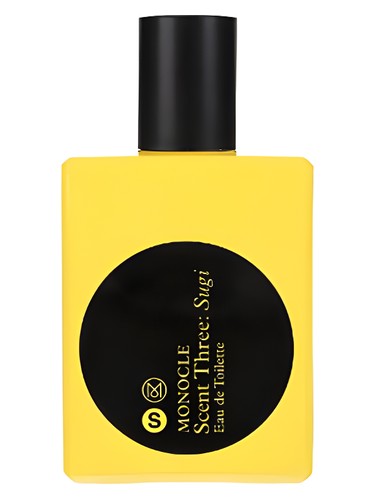
The first spray of Scent Three: Sugi transports you directly into a Japanese forest at dawn, when the air hangs crisp and the cypress trees release their resinous breath into the morning mist. This is not a fragrance that announces itself with fanfare. Instead, it whispers — a cool, peppery exhale of Madagascar pepper cutting through the green-tinged austerity of cypress. There''s an immediate sense of verticality here, as if you''re standing at the base of ancient trees, looking upward through layers of branches toward filtered sunlight. The opening is bracingly fresh yet grounded, spicy yet serene, setting the tone for what becomes a masterclass in woody minimalism.
The Scent Profile
Sugi''s evolution is less a dramatic transformation than a gradual deepening, like watching shadows lengthen across a forest floor as afternoon approaches. The cypress that dominates the opening maintains its presence throughout, but the Madagascar pepper adds an unexpected dimension — not fiery or aggressive, but rather like the tingling sensation of cold air on skin. This is fresh spiciness in its most subtle form, providing just enough piquancy to prevent the composition from becoming purely meditative.
As the fragrance settles into its heart, iris emerges alongside Virginian cedar, creating an intriguing textural contrast. The iris here doesn''t read as floral or powdery in the conventional sense; instead, it contributes a cool, almost mineral quality that enhances the woods rather than softening them. The cedar reinforces the structural backbone established by the opening cypress, building layers of woody depth without ever veering into pencil-shavings territory. This middle phase reveals the fragrance''s aromatic character — that compelling 65% accord that gives Sugi its contemplative, almost incense-like quality without relying on traditional resinous materials.
The base is where Sugi reveals its earthbound nature. Pine tree and Haitian vetiver create a foundation that''s simultaneously rooted and refined. The vetiver brings that characteristic earthy quality — accounting for the 20% earthiness in the accord profile — while the pine adds a clean, slightly resinous greenness that prevents the dry-down from becoming too heavy or somber. This is vetiver deployed with restraint, adding texture and longevity without dominating the composition. Throughout the fragrance''s journey, that overwhelming 100% woody accord remains the constant, the thread that ties every phase together into a coherent statement of arboreal devotion.
Character & Occasion
Sugi is fundamentally a daytime fragrance, and the data bears this out emphatically — this is a scent designed for moments of clarity and contemplation under natural light. Spring emerges as its ideal season with 91% suitability, when the world is awakening and the air carries that particular freshness that matches Sugi''s character perfectly. Fall follows at 70%, offering the crisp atmospheric conditions that allow the fragrance''s nuances to fully express themselves. Even summer claims 68% suitability, suggesting that Sugi''s freshness and restraint make it wearable even in warmth, though winter''s meager 26% indicates this isn''t a scent for cozy evenings by the fire.
The day-to-night ratio tells its own story: 100% day suitability versus just 32% night. This isn''t a fragrance for romantic dinners or evening events. Instead, it''s for morning walks, focused work sessions, weekend gallery visits, or any occasion where you want to carry a sense of calm self-possession. Despite its feminine categorization, Sugi''s woody, aromatic profile makes it a natural candidate for those who prefer their scents cerebral rather than sensual, regardless of gender.
Community Verdict
With a rating of 4.12 out of 5 from 445 votes, Sugi has earned genuine respect from those who''ve encountered it. This isn''t a blockbuster with thousands of reviews, but rather a thoughtfully composed piece that resonates deeply with those drawn to its particular aesthetic. The rating suggests a fragrance that delivers on its promises without trying to be everything to everyone — a focused vision executed with skill.
How It Compares
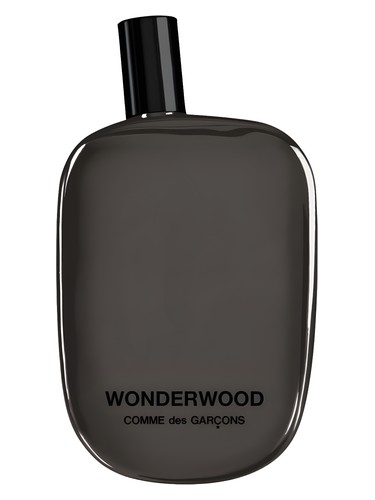
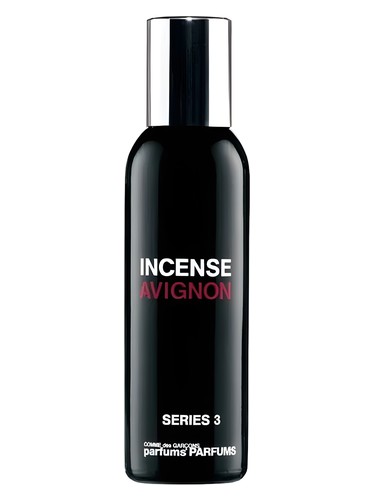
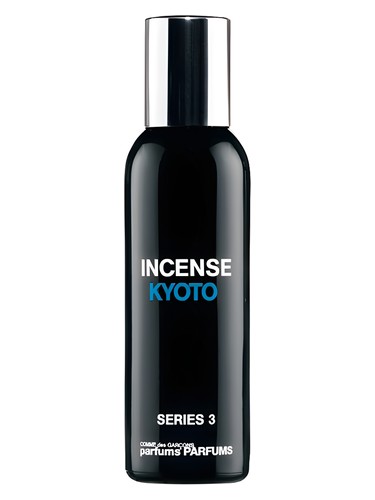
Sugi exists within a constellation of forest-inspired compositions, and its siblings provide useful context. It shares DNA with Scent One: Hinoki, another Comme des Garçons exploration of Japanese woods, though Sugi leans more overtly aromatic. Lalique''s Encre Noire offers a darker, more brooding take on vetiver and woods, while Comme des Garçons'' own Wonderwood presents a denser, more abstract woody experience. Series 3 Incense: Kyoto and Serge Lutens'' Fille en Aiguilles both share that contemplative, coniferous quality, though they approach it through different compositional routes. Within this company, Sugi distinguishes itself through its peppery freshness and that distinctive iris-cedar heart — it''s less austere than Encre Noire, more wearable than Wonderwood, and less overtly incense-focused than Kyoto.
The Bottom Line
Scent Three: Sugi is a fragrance for those who find beauty in restraint, who understand that power doesn''t require volume. Its 4.12 rating reflects not universal appeal but rather strong appreciation from its intended audience. This is niche perfumery in the truest sense — not because it''s exclusive or expensive, but because it pursues a specific vision with unwavering commitment. If you''re drawn to woody compositions that prioritize atmosphere over projection, or if you''ve ever wanted to bottle the feeling of standing in an ancient forest, Sugi deserves your attention. It won''t work for everyone, and it doesn''t try to. But for those seeking a daytime companion that whispers of distant groves and quiet contemplation, few fragrances deliver with such elegant precision.
AI-generated editorial review