First Impressions
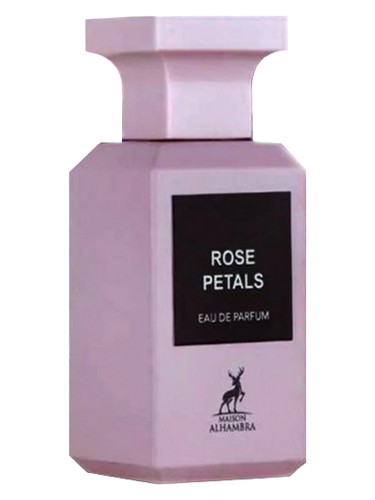
The first spray of Rose Petals announces itself without hesitation. This is not a delicate whisper of rose petals caught on a spring breeze—it''s a full-throated declaration. May rose and Bulgarian rose burst forward in tandem, creating an opening that registers at 100% on the rose accord scale, and you feel every percentage point. There''s an immediate warmth here too, something that sets this apart from the cleaner, dewier rose fragrances populating department store shelves. The 92% warm spicy accord makes itself known early, hinting at the saffron waiting in the wings. This is a rose that''s been left in the sun, concentrated and honeyed, rather than freshly plucked at dawn.
The Scent Profile
The journey of Rose Petals follows a path that many will find comfortingly familiar, yet executed with enough personality to avoid feeling derivative. Those opening notes—May rose paired with Bulgarian rose—create a red-hued, almost jammy quality that lovers of classic rose perfumes will recognize instantly. There''s depth here from the start, a richness that suggests this rose has stories to tell.
As the fragrance settles into its heart, Turkish rose joins the composition alongside saffron, and this is where things get interesting. The saffron doesn''t overwhelm or turn the scent into something overtly Middle Eastern in character; instead, it provides a golden, slightly leathery warmth that keeps the rose from becoming too pretty or overtly feminine. This heart phase showcases why the warm spicy accord ranks so highly—it''s the scaffolding that supports the rose, preventing it from collapsing into one-dimensional sweetness.
The base is where Rose Petals reveals its true nature as a modern comfort scent. Patchouli (65%), vanilla (89%), and tonka bean create a foundation that''s simultaneously grounding and indulgent. The patchouli isn''t the head-shop variety; it''s smoothed and sweetened by the vanilla and tonka, creating that balsamic quality (32%) that gives the fragrance staying power on the skin. This is where you understand the woody accord (39%)—not from cedar or sandalwood, but from the earthy, slightly chocolate-like quality of patchouli meeting vanilla''s creamy embrace.
Character & Occasion
The data tells us that Rose Petals is a fragrance that knows its seasons. With perfect scores for fall (100%) and near-perfect marks for spring (96%), this is a transitional scent that thrives in moderate temperatures. Winter wearability comes in strong at 85%, which makes sense given that warm spicy and vanilla backbone, while summer sits at a respectable 53%—perfectly wearable, though you might find yourself reaching for something lighter when temperatures soar.
The day/night split is revealing: 89% day versus 77% night. Rose Petals leans toward daytime wear, but it''s versatile enough to transition into evening without feeling out of place. This isn''t a corporate boardroom rose or a seductive date-night rose—it occupies that middle ground of approachable sophistication. It''s for the person who wants to smell beautiful without making a statement, who appreciates rose without wanting to wear something that costs three figures.
The feminine designation feels accurate, though the patchouli and saffron give it enough weight that someone seeking a less traditionally floral rose could easily wear it regardless of gender.
Community Verdict
With 474 votes landing at a 3.83 out of 5 rating, Rose Petals occupies interesting territory—solidly above average but not exceptional. The community sentiment score of 6.5 out of 10 from 33 Reddit opinions reinforces this mixed but generally positive reception.
The praise centers almost entirely on value. Commenters consistently highlight Rose Petals as an excellent dupe alternative, offering a pleasant rose scent at a fraction of luxury prices. For budget-conscious buyers, this is precisely the point—you get the general vibe and character of expensive rose fragrances without the financial commitment. It''s recommended specifically for testing whether you actually like rose-forward perfumes before investing in something like the similar fragrances in its category.
The criticisms are equally consistent: limited longevity compared to higher-end versions, and a less complex scent profile than luxury counterparts. This is the trade-off territory. You''re not getting the nuanced development or the hours-long performance of a Tom Ford or niche fragrance, and the community is clear-eyed about this reality. There''s also minimal discussion specific to this fragrance—it simply hasn''t captured the imagination or sparked the debate that more distinctive scents generate.
How It Compares
The similar fragrances list is instructive: Black Orchid by Tom Ford, followed by several Lattafa Perfumes offerings and another Maison Alhambra scent. This places Rose Petals squarely in the affordable alternative space—perfumes inspired by or reminiscent of luxury fragrances but produced for the budget market. Black Orchid comparison is particularly interesting, as that fragrance also features dark, warm florals with patchouli and vanilla. Rose Petals could be seen as the rose-dominant cousin to Black Orchid''s orchid-truffle earthiness.
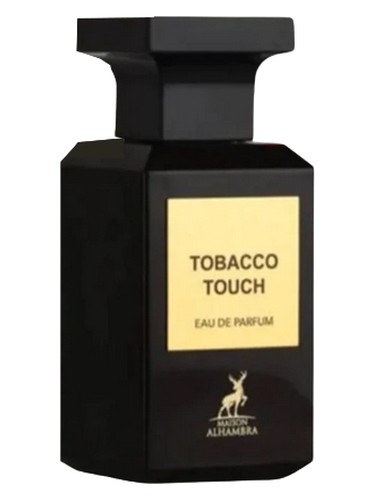
Within Maison Alhambra''s own lineup, the connection to Tobacco Touch suggests a house style—warm, sweet, accessible interpretations of popular fragrance profiles.
The Bottom Line
Rose Petals by Maison Alhambra succeeds at exactly what it sets out to do: deliver a wearable, warm rose fragrance at an accessible price point. That 3.83 rating isn''t a failure—it''s a reflection of realistic expectations. This isn''t competing with Lancôme or Diptyque on complexity or longevity; it''s offering people who love rose a way to smell good without calculation or financial anxiety.
Should you try it? If you''re curious about rose fragrances but hesitant to spend significantly, absolutely. If you want a comfortable fall or spring scent that feels polished without being precious, yes. If you need something that performs like a $200 fragrance and evolves dramatically over eight hours, look elsewhere. Rose Petals knows what it is, and sometimes that clarity of purpose is worth more than another percentage point on a rating scale.
AI-generated editorial review