First Impressions
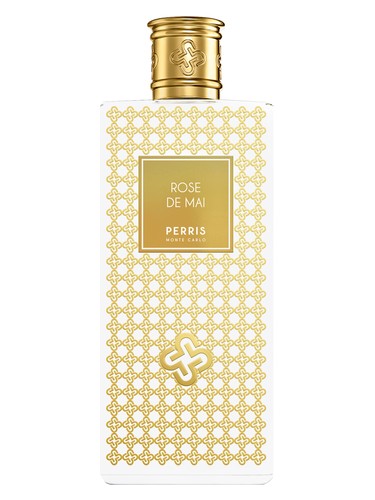
The first spray of Rose De Mai delivers exactly what its name promises—no mystery, no preamble, just the pure, concentrated essence of Rosa centifolia in full bloom. This is the legendary May rose of Grasse, the coveted heart of French perfumery, captured with documentary-like clarity. But where you might expect opulence or heavy-handed florality, Perris Monte Carlo offers something unexpectedly lively: a rose that breathes, that carries morning dew on its petals, that hasn''t yet been smothered by the weight of amber or oud. It''s a statement of intent from a house known for its ingredient-focused approach, and that transparency is both its greatest strength and its defining characteristic.
The Scent Profile
Rose De Mai opens with an unapologetic burst of rose—100% rose according to the accord breakdown, and your nose won''t argue. This isn''t the jammy, indolic rose of Turkish varieties or the peppery punch of Bulgarian cultivars. The Rose de Mai is softer, more nuanced, with a honeyed sweetness balanced by green, slightly citric facets. It''s a photorealistic rendering that immediately transports you to the terraced fields of Grasse in late spring.
As the fragrance settles, the heart reveals its subtle complexity. Rose geranium adds a fresh, slightly minty dimension that amplifies the rose''s natural green character while contributing to that notable 54% fresh spicy accord. This is where Rose De Mai distinguishes itself from more traditional rose soliflores—there''s a crispness here, an aromatic quality (43% in the accord profile) that keeps the composition from veering into powder or vintage territory. The immortelle makes a quieter appearance, contributing a whisper of herbaceous warmth (50% herbal accord) without the curry-like intensity that can sometimes overwhelm. It''s expertly dosed, adding texture rather than competing for attention.
The base is where minimalism truly defines the composition. Musk provides a clean, skin-like foundation that allows the rose to remain the protagonist throughout the fragrance''s evolution. This isn''t a perfume that dramatically transforms on the skin; rather, it''s a sustained meditation on a single ingredient, with supporting players that enhance rather than obscure. The musky accord registers at 27%—present enough to provide gentle warmth and longevity, but never dominating. That 32% warm spicy accord manifests as a subtle radiance, likely from the interplay between the immortelle''s natural warmth and the musk base.
Character & Occasion
The community data tells a clear story: this is overwhelmingly a spring fragrance (100%), with strong summer appeal (67%), while fall and winter lag significantly behind at 31% and 21% respectively. Rose De Mai is built for warm weather, for those moments when heavier florals feel suffocating. Its fresh, herbal character makes it ideal for daytime wear—88% day versus just 20% night preference—positioning it firmly in the category of elegant, office-appropriate florals that won''t overwhelm in close quarters.
This is a rose for those who''ve grown weary of the bombastic, syrupy rose fragrances that dominate department store counters. It''s for the minimalist, the purist, someone who appreciates technical execution and ingredient quality over dramatic projection or complex layering. Wear it to spring garden parties, to summer brunches, to moments when you want to smell polished and intentional without announcing your presence from across the room. It''s decidedly feminine in its marketing, but the fresh, green interpretation could easily appeal to anyone drawn to clean, botanical compositions.
Community Verdict
With a solid 4.09 out of 5 rating from 383 voters, Rose De Mai has earned genuine appreciation from the fragrance community. This isn''t a polarizing scent—that score suggests broad appeal among those who seek it out. The relatively modest vote count (compared to mainstream blockbusters) reflects Perris Monte Carlo''s position as a niche house, but among those familiar with the brand''s work, this composition clearly resonates. It''s a fragrance worth exploring, particularly for rose lovers who want clarity and freshness over baroque complexity.
How It Compares
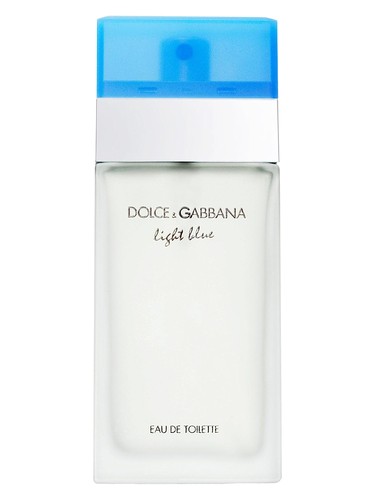
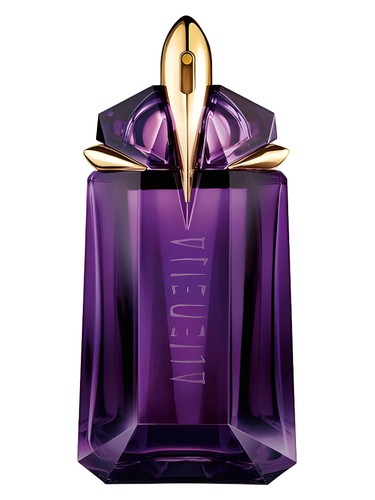
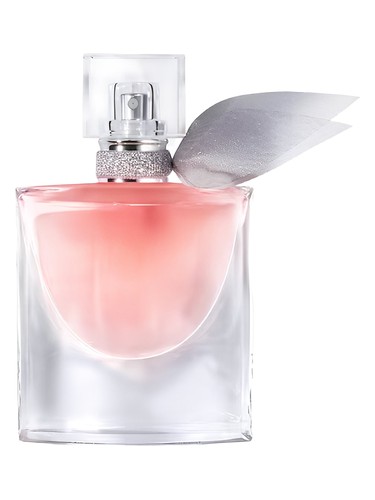
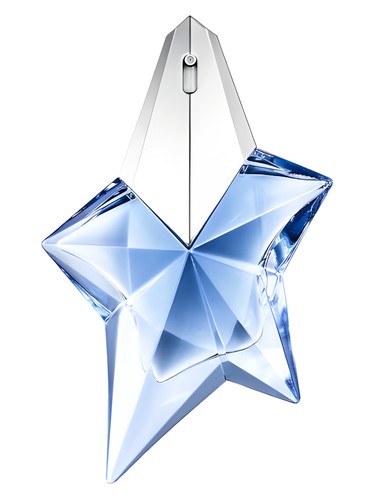
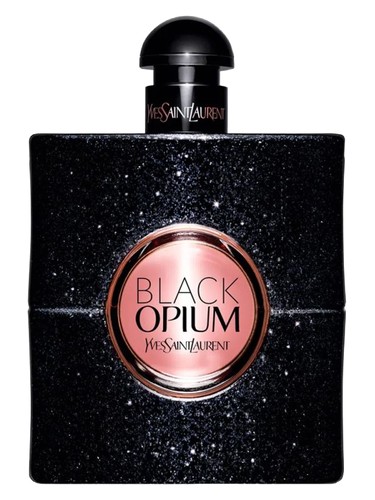
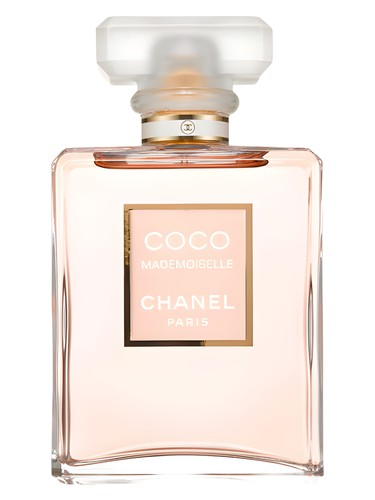
The listed similarities place Rose De Mai in distinguished company. Its sister fragrance, Rose de Taif, offers a different regional interpretation of rose—spicier, more resinous. Frederic Malle''s Rose Tonnerre brings more drama and power, while Serge Lutens'' La Fille de Berlin adds honey and pepper to the conversation. Amouage''s Epic Woman shares that fresh spicy character but operates at a much grander, more ornate scale. Perhaps the most intriguing comparison is Un Jardin Sur Le Nil by Hermès—both fragrances prioritize green, watery freshness and botanical realism over traditional perfumery flourishes.
Within this constellation, Rose De Mai distinguishes itself through purity of vision. It''s less conceptual than the Lutens, less assertive than the Malle, more focused than the Hermès. It occupies a specific niche: the high-quality, straightforward rose composition that lets ingredient quality speak for itself.
The Bottom Line
Rose De Mai succeeds precisely because it doesn''t try to reinvent the rose. In an era of oud-rose hybrids and rose fragrances laden with fruit or gourmand elements, Perris Monte Carlo offers refreshing restraint. The 4.09 rating reflects genuine quality—this is a well-made fragrance with excellent materials—though it may not inspire the passionate devotion reserved for more daring compositions.
This is a fragrance for the rose completist, for those building a warm-weather rotation, or for anyone seeking a sophisticated floral that won''t feel heavy or dated. If you want your roses served straight, with just enough supporting elements to enhance their natural beauty, Rose De Mai delivers with elegance and precision.
AI-generated editorial review