First Impressions
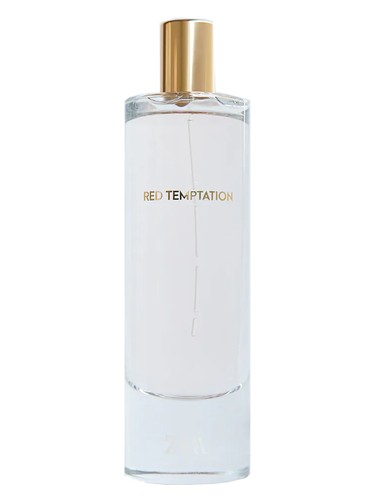
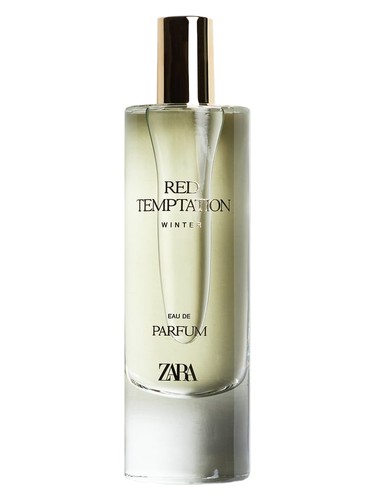
The first spray of Red Temptation Winter announces itself with the confidence of a perfume twice its price point. A rush of saffron sweeps across your skin—golden, leathery, and tinged with an almost metallic brightness that catches you off guard. There's an immediate sweetness too, not cloying or sugary, but rather a warm, enveloping quality that softens the spice's sharper edges. This is a fragrance that understands restraint while still making an entrance, a delicate balance that Zara has clearly studied from its more expensive inspirations.
What strikes me most in these opening moments is the perfume's sophisticated restraint. The saffron could have been overwhelming, drowning out everything in its wake. Instead, it's measured, allowing glimpses of what's to come—hints of something floral, something woody, something decidedly grown-up.
The Scent Profile
The composition unfolds like a well-rehearsed performance, each act flowing seamlessly into the next. Those opening notes of saffron and sweetness create an intriguing duality: warm yet bright, spicy yet approachable. The saffron here carries that characteristic leather-meets-honey quality that speaks to its use in perfumes well beyond Zara's typical price bracket. The sweet notes act as a binding agent, creating a cushion for the spice to rest upon.
As the heart reveals itself—usually within the first thirty minutes—jasmine emerges alongside fruity accords that add dimension without veering into juvenile territory. The jasmine is key here, lending a floral sophistication that prevents the fragrance from becoming too linear or overtly gourmand. It's not the indolic, heady jasmine of vintage perfumes, but rather a cleaner, more contemporary interpretation. The fruit notes remain somewhat abstract, never quite declaring themselves as any particular berry or stone fruit, but instead offering a juicy, slightly tart counterpoint to the ongoing sweetness.
The base is where Red Temptation Winter truly settles into its character. Cedar and patchouli create a woody foundation that's unmistakably present—the data shows woody as the dominant accord at 100%, and your nose confirms it. The cedar brings a pencil-shaving crispness, while the patchouli adds an earthy, slightly camphoraceous depth. Together, they anchor all that spice and sweetness, preventing the fragrance from floating away into abstraction. The patchouli accord registers at 60%, providing enough presence to be noticed without overwhelming the composition's carefully constructed warmth.
That metallic note—sitting at 35% in the accord breakdown—manifests as a cool, almost mineral quality that flashes through periodically, particularly in the transition from top to heart. It's this element that gives the fragrance its modern edge, preventing it from becoming just another warm spicy perfume.
Character & Occasion
Red Temptation Winter wears its name somewhat ironically—it's classified as suitable for all seasons, making it more versatile than you might expect from a fragrance with "winter" in its title. This adaptability stems from its balanced composition: warm enough for cold weather, but with sufficient brightness and that metallic edge to prevent it from becoming oppressive in transitional seasons.
The absence of specific day or night preference data suggests this is a fragrance that adapts to your intentions. Personally, I find it leans slightly more evening, given its 90% warm spicy accord and the depth of that woody-patchouli base. This is a date-night scent, a dinner-with-friends choice, an "I want to feel polished" option. But its restraint means you could absolutely wear it to an autumn afternoon meeting or a spring evening event without seeming out of step.
This is firmly in the feminine category, though as with many contemporary woody-spicy fragrances, it could easily be worn by anyone who appreciates this style of scent. The jasmine and sweet notes provide traditional femininity, while the cedar and patchouli offer androgynous depth.
Community Verdict
With a rating of 4.17 out of 5 from 348 votes, Red Temptation Winter has earned solid approval from its wearers. This is particularly impressive for a fragrance from a fast-fashion brand—it suggests Zara has created something that transcends the usual expectations of mall-brand perfumery. Nearly 350 people felt strongly enough to rate it, and the consensus clearly leans positive. This isn't niche-level adoration, but it's genuine appreciation from people who've spent time with the fragrance.
How It Compares
The comparison list reads like a who's who of modern bestsellers: La Vie Est Belle, Baccarat Rouge 540, By the Fireplace, Black Opium, and Khamrah. These references aren't accidental. Red Temptation Winter clearly draws inspiration from the warm-spicy-woody trend that Baccarat Rouge 540 helped popularize, while the jasmine-sweetness recalls La Vie Est Belle's gourmand florals. The cedar and spice connection to By the Fireplace is apparent, as is the warm evening sensibility of Black Opium.
But here's the crucial distinction: while those fragrances typically retail between $100-$300, Zara offers this interpretation at a fraction of the cost. It's not attempting to be a clone—it's more like a greatest-hits compilation, taking elements that work and reinterpreting them through Zara's accessible lens.
The Bottom Line
Red Temptation Winter represents smart, studied perfumery that understands its audience and its competition. With a 4.17 rating, it's proven itself to hundreds of wearers who recognize quality when they smell it. This isn't a groundbreaking composition, but it's not trying to be. Instead, it offers a well-executed take on a popular style at a price point that makes luxury-adjacent scent experiences accessible.
Should you try it? Absolutely, if you appreciate woody-spicy fragrances with character but don't want to invest in their expensive counterparts before committing. It's ideal for someone building a fragrance wardrobe who wants sophistication without the boutique price tag, or for veterans who appreciate a solid daily wear that doesn't require precious application. Just don't expect niche-level longevity or complexity—know what you're getting, and you'll be more than satisfied.
AI-generated editorial review