First Impressions
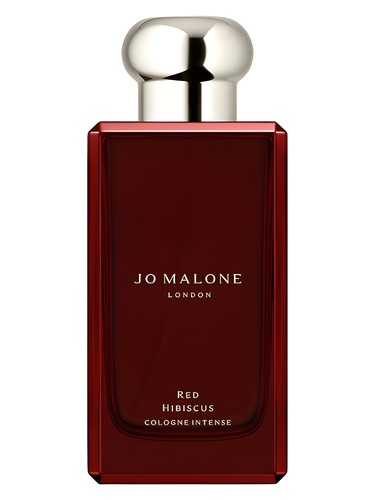
The first spray of Red Hibiscus announces itself with unexpected assertiveness. This is not the whisper-quiet Jo Malone you might expect—it''s a declaration. Mandarin orange bursts forward with sun-ripened sweetness, immediately tempered by the warming bite of ginger and the aromatic, almost smoky edge of black cardamom. It''s a tropical opening that feels deliberate, confident, even a touch theatrical. Within moments, you understand this fragrance has ambitions beyond the brand''s typically restrained English garden aesthetic. The spice here isn''t polite—it crackles with life, setting the stage for something altogether more opulent.
The Scent Profile
The evolution of Red Hibiscus feels like watching a flower bloom in accelerated time. Those opening citrus-spice notes—mandarin''s juicy brightness playing against cardamom''s resinous depth—create an intriguing tension that lasts perhaps fifteen to twenty minutes before the heart begins its dramatic entrance.
And what a heart it is. The hibiscus note itself proves surprisingly nuanced, less about literal botanical accuracy and more about creating an impression of tropical lushness. It''s supported by a carefully orchestrated bouquet: black orchid adds a plush, almost creamy darkness, while jasmine contributes its indolic richness. Water lily brings an aquatic freshness that prevents the composition from becoming too heavy, and ylang ylang weaves through it all with its characteristic banana-like sweetness and slightly spicy character. This is where the fragrance fully commits to its floral identity—that 100% floral accord rating makes perfect sense when you''re immersed in this heady middle phase.
The transition to the base is gradual rather than abrupt. Vanilla emerges like morning mist burning off, soft and enveloping. The amber accord builds warmth without going full-throttle oriental; it''s more of a golden glow than a resinous statement. Most intriguing is the incense note, which adds a contemplative, almost meditative quality to what could otherwise be a straightforward floral gourmand. This trinity of vanilla, amber, and incense creates a foundation that''s simultaneously comforting and sophisticated—sweet without being cloying, warm without being suffocating.
Character & Occasion
Red Hibiscus occupies an interesting space in the when-and-where equation. The data reveals it''s primarily a fall fragrance (peaking at 100%), which makes sense given its amber-vanilla warmth, but it translates remarkably well into spring (83%) and summer (74%). That versatility speaks to the fragrance''s careful balance—the fresh spicy and citrus accords (31% and 29% respectively) provide enough lift to keep it from feeling too heavy in warmer weather, while the amber and vanilla (52% and 39%) offer sufficient coziness for cooler days.
The day-to-night split is telling: 83% day versus 89% night. This slight evening preference suggests the fragrance gains something as temperatures drop and lights dim. The vanilla and amber likely feel more luxurious in evening contexts, while the floral bouquet maintains enough brightness for daytime wear without feeling out of place.
Who is this for? Anyone ready for a Jo Malone that doesn''t apologize for taking up space. It skews feminine in positioning but the spice and incense elements give it enough complexity to appeal beyond traditional floral lovers. This is for someone who appreciates florals but wants them grounded in something warmer, more sensual.
Community Verdict
With a solid 4.1 out of 5 stars from 620 votes, Red Hibiscus has earned genuine approval from a substantial testing base. That''s not a courtesy rating—it''s a meaningful endorsement. The vote count suggests real engagement; this isn''t a niche curiosity but a fragrance that''s getting genuine wear and consideration.
The rating sits in that sweet spot of "very good without claiming perfection." It suggests a fragrance that delivers on its promises, offers good performance, and creates enough of an impression to warrant recommendation without necessarily being everyone''s holy grail. For a 2024 release that represents a departure from brand DNA, that level of acceptance is notable.
How It Compares
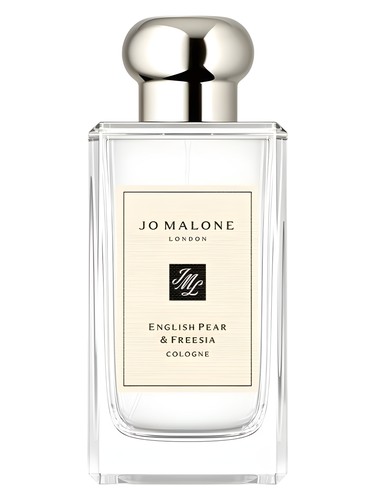
The comparison set reveals Red Hibiscus''s positioning clearly. Its closest sibling, Scarlet Poppy Intense, shares that bold floral approach but leans heavier. Prada Paradoxe and Good Girl by Carolina Herrera suggest the feminine-luxe category it inhabits, while Kayali Vanilla | 28 points to the gourmand sweetness running through its base. The inclusion of English Pear & Freesia—a Jo Malone classic—in the similar fragrances list is particularly interesting, perhaps indicating that fans of the brand''s signatures might find this a natural evolution rather than a jarring departure.
Where Red Hibiscus distinguishes itself is in that incense note. While many modern florals go the sweet route or the fresh route, the addition of incense gives this one a contemplative edge that sets it apart from more straightforward floral ambers.
The Bottom Line
Red Hibiscus represents Jo Malone London taking a calculated risk—and largely succeeding. This is the brand stretching beyond its comfort zone without completely abandoning its identity. The result is a fragrance that feels simultaneously familiar and fresh, appropriate for the brand''s existing customer base while reaching toward something bolder.
At 4.1 stars with substantial community backing, it''s proven itself worthy of exploration. The concentration remains unspecified in available data, but the projection and evolution suggest this isn''t a fleeting skin scent—it has presence.
Should you try it? If you''ve ever wished Jo Malone would turn up the volume just a touch, absolutely. If you love floral fragrances but want them anchored in warmth rather than freshness, this deserves a test drive. If you''re intrigued by the idea of tropical florals meeting amber incense, make time for this one. It won''t be for purists who want their Jo Malones subtle and their florals green, but for everyone else, Red Hibiscus offers a compelling argument for bold blooms.
AI-generated editorial review