First Impressions
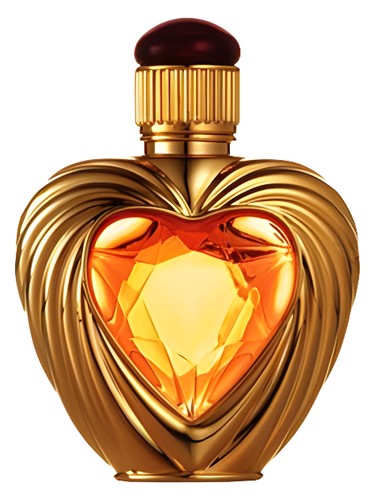
The first whisper of Rapture is a sun-drenched greeting—bright citrus notes tangled with the creamy sweetness of orange blossom. It's 1992 captured in a bottle, that particular era when white florals wore their sensuality unapologetically, before minimalism became the industry's calling card. Within seconds, you understand why this scent earned its evocative name. There's an immediate warmth here, something that wraps around your wrist like cashmere, hinting at the amber and vanilla waiting beneath the floral brilliance. This isn't a perfume that announces itself with a shout—it's more intimate than that, drawing people closer rather than broadcasting from across a room.
The Scent Profile
Rapture opens with a luminous marriage of orange blossom and citruses that feels both fresh and indulgent. The orange blossom isn't sharp or soapy; instead, it carries that peculiar duality the note is famous for—simultaneously innocent and seductive, like white petals warmed by body heat. The citrus element provides lift without veering into cologne territory, keeping the opening airy enough to prevent the richness that follows from feeling heavy-handed.
As the fragrance settles into its heart, the white floral character that defines Rapture—registering at a full 100% in its main accords—blooms fully. Jasmine takes center stage here, joined by Bulgarian rose and freesia in a trio that manages to feel both classic and lived-in. The jasmine brings its characteristic indolic warmth, that slightly animalic quality that separates interesting florals from simple pretty ones. The Bulgarian rose adds a honeyed depth, while freesia contributes a peppery, almost soapy cleanliness that prevents the composition from becoming too heavy or cloying. This heart is where Rapture reveals its complexity—it's traditionally feminine without feeling dated, opulent without tipping into excess.
The base is where Rapture earns its reputation as a cold-weather companion. Amber provides the foundation—88% of the fragrance's character according to its accord breakdown—creating that resinous, skin-like warmth that makes you want to bury your nose in your sweater cuff. Heliotrope adds an almond-like sweetness with powdery undertones (that 81% powdery accord is no accident), while vanilla brings a gourmand softness that never quite crosses into dessert territory. Musk rounds everything out, providing longevity and that intimate quality that makes Rapture feel like it becomes part of your skin rather than sitting on top of it.
Character & Occasion
The community data tells a clear story: Rapture is a perfume for when temperatures drop and evenings grow longer. With winter registering at 93% and fall at 84%, this is decidedly a cool-weather fragrance. The amber-vanilla-musk base simply comes alive in the cold, projecting beautifully without overwhelming, while those same notes can feel suffocating in summer heat (a mere 20% summer rating confirms this). Spring sits in the middle at 30%—think of Rapture for those transitional evenings when you need something warmer than your typical daytime florals.
The day-to-night split is particularly revealing: 49% day, but 100% night. Rapture is at home during daylight hours—the white florals and powdery quality keep it appropriate for the office or brunch—but it truly transforms after dark. There's something about this composition that responds to evening's intimacy, to candlelight and close conversation. It's a date-night perfume, certainly, but also perfect for any occasion where you want to feel wrapped in something beautiful without trying too hard.
This is a fragrance for someone who appreciates traditional femininity but wants depth behind the prettiness. If you're drawn to powdery florals but find many modern interpretations too thin or too sweet, Rapture offers substance.
Community Verdict
With a rating of 3.86 out of 5 based on 787 votes, Rapture sits comfortably in "very good" territory. This isn't a polarizing fragrance—the rating suggests broad appeal rather than niche devotion. Nearly 800 people have taken the time to rate it, a respectable showing for a Victoria's Secret fragrance from the early 90s, indicating it has staying power beyond typical mall-brand expectations. The rating suggests a well-executed composition that delivers on its promise without necessarily breaking new ground.
How It Compares
The similar fragrances list reads like a who's who of white floral and oriental perfumery: Coco by Chanel, Alien by Mugler, Organza by Givenchy, Flowerbomb by Viktor&Rolf, and Trésor by Lancôme. This company places Rapture squarely in the tradition of rich, statement-making feminines. Where Coco leans into spice and baroque opulence, and Alien takes white florals into otherworldly territory, Rapture feels more approachable—less conceptual, more wearable. It shares Trésor's apricot-rose warmth and Flowerbomb's unabashed sweetness, but with more powder and less fruit. If Organza is the evening gown, Rapture is the cashmere wrap dress—equally elegant, slightly more versatile.
The Bottom Line
Rapture deserves more attention than it typically receives. Yes, it's a Victoria's Secret fragrance from 1992, which might cause perfume purists to dismiss it out of hand. That would be a mistake. This is a well-constructed white floral amber with genuine depth, impressive longevity, and a character that holds up decades after its launch. The 3.86 rating reflects exactly what it is: a very good fragrance that won't change your life but will make your autumn and winter days measurably more pleasant.
For anyone who loves powdery white florals, who reaches for amber-vanilla bases when the weather turns cold, or who mourns the loss of unapologetically feminine perfumes, Rapture is worth seeking out. It won't cost you a fortune, and it will deliver exactly what it promises—a warm, enveloping embrace that turns an ordinary evening into something slightly more extraordinary.
AI-generated editorial review