First Impressions
The first spray of Quando rapita in estasi—Italian for "when rapt in ecstasy"—evokes the exact moment incense smoke meets cold cathedral air. Filippo Sorcinelli, himself a liturgical tailor and church organist, opens this composition with a reverential clash: smoldering incense paired with the crisp greenness of cedar and the innocent sweetness of lily-of-the-valley. It''s an unexpected trinity that feels both devotional and daring, like stumbling upon flowers blooming in the sacristy. The opening announces itself with liturgical gravity, yet there''s something quietly subversive in how that lily-of-the-valley brightens the resinous darkness, offering a glimpse of light through stained glass.
The Scent Profile
The architecture of this fragrance unfolds like a sacred ceremony in three movements. Those opening notes—incense, cedar, and lily-of-the-valley—create an aromatic foundation that''s simultaneously austere and surprisingly green. The incense registers immediately, not as a suggestion but as a declaration, smoky and commanding with that characteristic dry sweetness that billows from censers.
As the composition settles into its heart, the narrative takes an intriguing turn. Cloves emerge with their warm, spicy bite, adding an almost medieval character to the proceedings. Then comes peach—an unexpected guest in this ecclesiastical gathering. Rather than reading as fruity or overtly sweet, the peach here functions as a golden, velvety bridge between the sharp spice and the deeper mysteries waiting below. It''s a brief interlude of softness, a moment of human warmth in an otherwise austere structure.
The base is where Quando rapita in estasi reveals its true ambition. Incense returns, now joined by a substantial supporting cast: balsam fir adds coniferous resinous depth, while labdanum contributes its leathery, amber-like richness. Vetiver and patchouli provide earthy grounding, their woody facets reinforced by the composition''s cedar bones. Vanilla and tonka bean round out the foundation with a balsamic sweetness that never turns gourmand, instead reading as the natural sweetness of aged resins and precious woods warming on skin. The result is a complex amber-woody base that glows with subdued warmth, like embers in a monastery''s brazier hours after evening prayers.
Character & Occasion
This is a fragrance that knows its calling. With fall registering at 100% and winter at 98%, Quando rapita in estasi is unequivocally a cold-weather composition. Its amber and woody dominance (100% and 93% respectively), combined with warm spicy and smoky accords (88% and 57%), creates a scent profile designed for brisk air and long nights. Spring compatibility drops to 36%, and summer barely registers at 17%—this is not a fragrance that compromises its vision for versatility.
The day versus night data tells an even clearer story: 41% for daytime wear versus 86% for evening. Quando rapita in estasi truly awakens after sunset. This is a fragrance for gallery openings, late dinners, contemplative walks through autumn streets, or simply for those who want to carry an aura of mystique through winter evenings. Despite its feminine classification, the composition''s incense-forward, resinous character would suit anyone drawn to cerebral, atmospheric fragrances that prioritize mood over convention.
Community Verdict
Here''s where the story becomes notably complicated. Despite an impressive 4.26 out of 5 rating from 709 voters on fragrance databases, Quando rapita in estasi appears to exist in a curious blind spot within the Reddit fragrance community. The sentiment analysis from r/fragrance discussions yielded a concerning score of 1 out of 10—not because of negative reviews, but due to complete absence. The fragrance simply doesn''t appear in community conversations, posts, or comments from the analyzed discussions.
This silence is striking for a fragrance with over 700 ratings elsewhere. It suggests either that Quando rapita in estasi hasn''t penetrated the Reddit demographic, or that Sorcinelli''s ecclesiastical-inspired creations remain a niche within a niche. Without pros and cons to assess from community data, we''re left to interpret this absence: perhaps the fragrance is too specialized, too challenging, or simply flying under the radar of a community that tends to gravitate toward more accessible or frequently discussed releases.
How It Compares
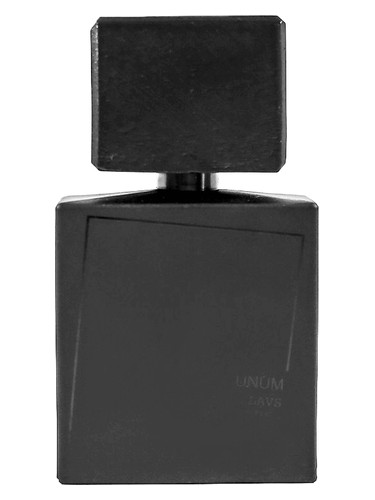
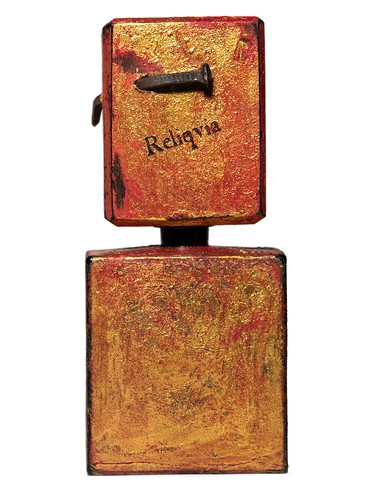
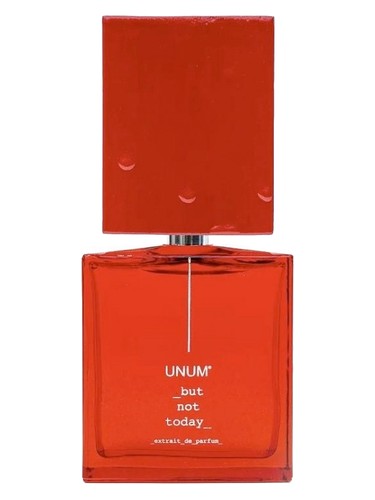
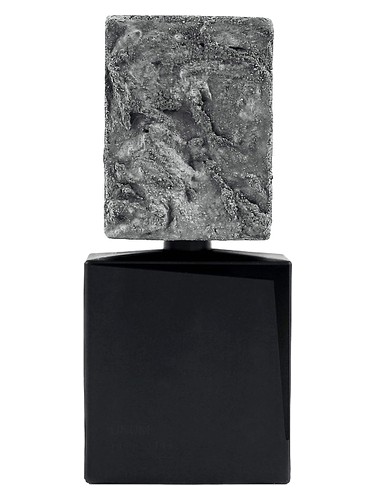
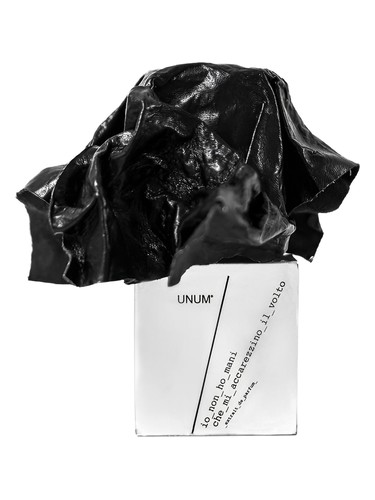
The listed similar fragrances offer illuminating context. Three of the five comparisons come from Sorcinelli''s own line—Reliqvia, Io Non Ho Mani Che Mi Accarezzino il Volto, and Lavs—suggesting a distinctive house aesthetic built around liturgical themes and incense-driven compositions. The inclusion of Serge Lutens'' iconic Ambre Sultan indicates the caliber of amber work here: complex, resinous, uncompromising. Orto Parisi''s Terroni, known for its earthy, almost primitive intensity, hints at the grounded, substantial quality of the base notes.
Within Sorcinelli''s catalog, Quando rapita in estasi appears to occupy the more traditionally wearable end of the spectrum—if any incense-dominated fragrance inspired by operatic arias can be called traditional.
The Bottom Line
Quando rapita in estasi is a fragrance that demands—and rewards—attention. Its 4.26 rating from over 700 voters suggests genuine admirers who appreciate its baroque complexity and unabashed theatricality. This is not a scent for those seeking easy compliments or mass appeal; it''s for the person who views fragrance as an extension of interior life, who understands that beauty can be challenging, even austere.
The Reddit community''s silence is worth considering, but shouldn''t be dispositive. Some fragrances exist contentedly outside mainstream discourse, treasured by those who find them but not requiring validation from the crowd. The real question is whether you''re drawn to incense-forward, amber-woody compositions with enough depth to sustain interest through an entire winter season.
If you appreciate liturgical incense, complex woody-amber frameworks, and fragrances that prioritize atmosphere over approachability, Quando rapita in estasi deserves exploration. Just wait for the first cold evening of fall, and wear it after dark—exactly as it was intended.
AI-generated editorial review