First Impressions
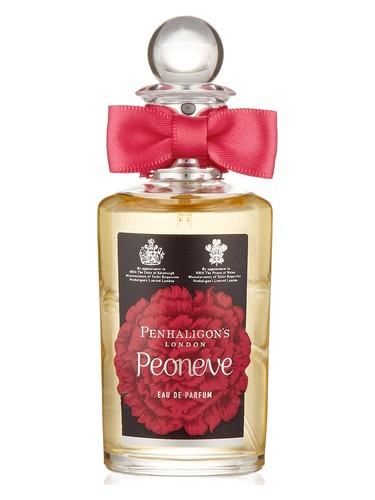
The first spray of Peoneve arrives like stepping through morning dew into a walled English garden. There''s an immediate brightness—almost electric—courtesy of violet leaf, which doesn''t present as the sweet, powdery violet many expect. Instead, this is the green, slightly metallic snap of actual leaves crushed between fingertips, still wet from dawn''s moisture. It''s a bracing, ozonic quality that frames everything to follow, clearing the air and creating space for the florals waiting in the wings. This isn''t your grandmother''s flower garden; it''s sharper, more modern, with an almost aqueous quality that feels both refreshing and slightly enigmatic.
The Scent Profile
Violet leaf is doing the heavy lifting in Peoneve''s opening act, and it''s a smart choice. Rather than drowning the wearer in immediate sweetness, this green introduction provides structure—a trellis for the blooms to climb. The ozonic quality that registers in 41% of wearers'' experiences isn''t accidental; it''s engineered into that opening, creating an airy, almost rain-washed atmosphere.
As the initial verdant burst settles, the heart reveals itself as a masterclass in floral composition. Peony takes center stage, which is appropriate given the fragrance''s name—a portmanteau of peony and the Old English "neve" (fist or hand), perhaps suggesting the experience of holding a bouquet. The peony here reads as crisp and almost watery, avoiding the cloying sweetness that can plague floral compositions. Rose joins in harmony rather than competition, its presence evident in that 100% rose accord rating, yet never overwhelming. The jasmine threads through more subtly, adding depth and a hint of indolic richness that prevents the composition from becoming too squeaky-clean.
What makes the heart compelling is its freshness—that 64% fresh accord isn''t just marketing speak. These florals feel alive, as if cut from their stems moments ago rather than dried in a potpourri bowl. There''s a dewy quality, a sense of petals still holding morning moisture.
The base is where Peoneve reveals its contemporary sensibility. Musk and cashmeran provide a soft, enveloping finish that keeps the florals tethered to skin rather than floating away entirely. The vetiver adds a whisper of earthiness—subtle enough not to disturb the garden''s refinement, but present enough to ground the composition. This woody element, registering at 30% in the accords, prevents the perfume from becoming purely ethereal. It''s the soil beneath the blooms, reminding you that even the most delicate flowers need roots.
Character & Occasion
Peoneve is that rare creature: a true four-season floral. While many flower-forward fragrances wilt under summer heat or disappear in winter''s chill, this composition''s ozonic freshness and grounded base make it genuinely versatile. The violet leaf''s green crispness works beautifully in spring and summer, while the cashmeran and musk provide enough warmth for autumn and winter wear.
This is decidedly a daytime fragrance—appropriate for the office, weekend brunches, gallery openings, or any occasion where you want to project approachability rather than drama. It''s refined without being stuffy, feminine without being saccharine. The woman who reaches for Peoneve likely appreciates understated elegance, favoring crisp white shirts and well-cut trousers over anything too overtly romantic or trendy.
That said, the freshness that makes it so wearable also means it won''t command attention in a crowded evening venue. This isn''t a fragrance that enters a room before you do—it''s one that invites people to lean closer, to discover rather than be announced to.
Community Verdict
With a rating of 3.89 out of 5 from 904 voters, Peoneve occupies interesting territory. It''s not a cult favorite commanding near-perfect scores, but it''s solidly above average, suggesting a fragrance that delivers on its promise without necessarily converting every skeptic. This is a respectable showing for a floral composition—a category where opinions tend to polarize between those who adore flowers and those who find them outdated or overpowering.
The substantial vote count indicates this isn''t an overlooked obscurity; Penhaligon''s has a devoted following, and Peoneve has clearly found its audience. That rating suggests a well-executed fragrance that succeeds at what it attempts, even if it doesn''t reach for revolutionary heights.
How It Compares
The comparison to Hermès'' Un Jardin Sur Le Nil makes immediate sense—both share that fresh, green, almost aquatic approach to florals. La Fille de Berlin''s presence on the similar fragrances list speaks to a shared delicacy and refinement, while Narciso Rodriguez For Her suggests common ground in the musky, modern base. The nods to Dune and Coco Eau de Parfum might initially seem surprising, but they share Peoneve''s ability to balance freshness with warmth, floralcy with restraint.
Where Peoneve distinguishes itself is in its specifically peony-forward character. While many of these comparisons feature florals, few make peony the star, and none quite capture that opening violet leaf snap in the same way.
The Bottom Line
Peoneve is a fragrance that knows exactly what it wants to be: an elegant, wearable floral that respects your intelligence and your calendar. At just under a 4-star rating, it''s a solid performer that won''t disappoint those seeking a refined, fresh floral for everyday wear. Is it groundbreaking? No. Is it beautiful, well-constructed, and remarkably versatile? Absolutely.
This is a fragrance for those who''ve grown tired of overwhelming florals or sickly-sweet roses but aren''t ready to abandon the category entirely. It''s for the woman who wants something distinctly feminine without feeling costtumed, and something elegant without seeming dated. In a market crowded with either bombastic florals or stripped-down minimalism, Peoneve offers a thoughtful middle path—the scent equivalent of a perfectly tailored dress in a beautiful fabric. Not every fragrance needs to be a showstopper; sometimes refined competence is exactly what''s called for.
AI-generated editorial review