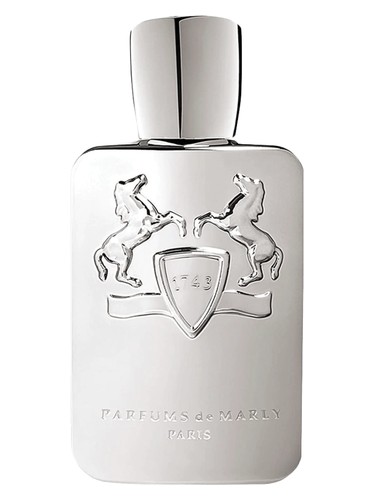
First Impressions
The first spray of Pegasus announces itself with unexpected warmth—a rush of heliotrope sweetness tempered by the peculiar earthiness of cumin and a flicker of pink pepper heat. But within moments, the star emerges: bitter almond, dominant and unapologetic. This isn''t the cherry-tinged almond of marzipan confections, but something more refined, almost nutty and powdery at once. Bergamot attempts to provide citrus brightness, but it''s quickly enveloped by that almond embrace, setting the stage for what Parfums de Marly bills as a masculine fragrance that challenges traditional gender lines with its decidedly sweet disposition.
The opening is undeniably bold. Those familiar with the brand''s aesthetic—opulent, unabashedly rich, inspired by 18th-century French perfumery—will recognize the signature here. But Pegasus, launched in 2011, walks a particular tightrope between classical sophistication and modern sweetness that has made it both beloved and contentious.
The Scent Profile
Pegasus is, at its core, an almond-vanilla composition. The data doesn''t lie: almond registers at a perfect 100% intensity, with vanilla close behind at 93%. These two notes form an indelible partnership that persists from opening to drydown.
The heart reveals where complexity enters the equation. Lavender—that timeless masculine signifier—weaves through the almond, providing herbal freshness that prevents the sweetness from becoming cloying. Jasmine adds a subtle floralcy, while that bitter almond continues its reign, now fully bloomed and creamy. This is the phase where Pegasus shows its refinement, where the powdery character (73% according to the accord breakdown) becomes most apparent. Some describe it as elegant; others find it soapy or overly soft.
The base is where vanilla takes command alongside sandalwood, amber, musk, and cedar. It''s a warm, enveloping foundation that extends the fragrance''s considerable longevity. The woods provide just enough structure to prevent the composition from floating away into pure dessert territory, though with sweetness registering at 45% and that vanilla presence, Pegasus undeniably leans gourmand. The nutty accord (49%) persists throughout, creating a through-line from top to base that gives the fragrance remarkable consistency—whether you view that as comforting or monotonous depends largely on your expectations.
Character & Occasion
Pegasus presents an interesting paradox: it''s versatile enough for all seasons, yet specific enough in character that it won''t suit all situations. The data confirms all-season wearability, though community feedback consistently points toward fall and winter as its natural habitat. The sweetness and warmth that might feel heavy on a summer afternoon find their purpose in cooler weather.
As for the day-night divide, the metrics show 0% for both—which simply reflects insufficient voting data rather than actual unsuitability. Community insight reveals Pegasus as primarily a casual, everyday fragrance. This is where the "crowd-pleaser" reputation comes into play. It''s safe enough for office environments, sweet enough for dates, and projection-heavy enough for social gatherings. It''s designed for men but worn by anyone who appreciates almond-vanilla compositions with enough woody depth to avoid veering into purely feminine territory.
The compliment-getting potential is real. That broad appeal—sweet but not cloying, warm but not oppressive, familiar but not boring—makes it accessible to those who don''t speak the language of niche perfumery.
Community Verdict
Here''s where things get interesting. With 6,198 votes yielding a 4.08/5 rating, Pegasus appears successful on paper. But the Reddit community tells a more nuanced story, landing at a middling 6.5/10 sentiment score that reveals genuine division.
The pros are substantial: strong longevity and projection consistently earn praise, as does its crowd-pleasing nature. Many find it more complex and refined than certain alternatives, appreciating the lavender-almond interplay and the quality of ingredients.
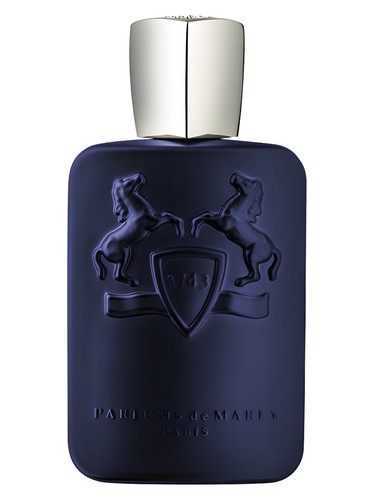
But the criticism is pointed. The most frequent complaint centers on price-to-quality ratio. Many users simply don''t believe Pegasus justifies its premium positioning, especially when compared to competitors like Xerjoff. The powdery character—a feature for some—registers as a bug for others who find it dated or too soft. Perhaps most damning is the accusation of redundancy: numerous voices note that Pegasus feels too similar to Layton, another Parfums de Marly offering, raising questions about minimal differentiation within the same house.
The existence of budget alternatives like Armaf Craze, which reportedly deliver comparable performance at a fraction of the cost, further complicates the value proposition. For budget-conscious buyers, Pegasus represents diminishing returns.
How It Compares
The similar fragrances list reads like a who''s who of modern masculine sweet orientals: Tom Ford''s Noir Extreme and Tobacco Vanille, Parfums de Marly''s own Layton and Carlisle, and Xerjoff''s XJ 1861 Naxos. This places Pegasus squarely in the sweet, warm, gourmand-leaning category that dominated masculine fragrance trends through the 2010s.
Against Noir Extreme, Pegasus feels lighter and more almond-forward. Compared to the tobacco richness of Tobacco Vanille, it''s cleaner and less boozy. The Layton comparison is most relevant—both share DNA, though Layton tends toward apple-freshness while Pegasus commits more fully to almond. Whether that distinction justifies owning both is a personal calculation.
The Bottom Line
Pegasus is a well-executed almond-vanilla fragrance with genuine strengths: impressive performance, broad appeal, and enough sophistication to distinguish it from drugstore sweet scents. The 4.08/5 rating reflects real appreciation from thousands of wearers.
But the community skepticism isn''t unfounded. At its price point, Pegasus faces fierce competition from houses delivering more complexity, uniqueness, or better value. It''s a safe choice—perhaps too safe for those seeking distinctive signatures. The polarization stems not from the fragrance being poorly made, but from questions about whether "very good" justifies "very expensive" when excellent alternatives exist.
Who should try it? Those who prioritize compliments over uniqueness, who want a versatile cold-weather companion, or who simply love almond and vanilla enough to pay premium prices for a polished version. Those on budgets, seeking niche complexity, or already owning similar scents in this category can probably skip it without regret.
Pegasus is a beautiful horse—just not the only one in the stable.
AI-generated editorial review