First Impressions
The first spray of Parfum d''Ete 1992 feels like pushing open a greenhouse door on a June morning. There''s that initial rush of verdant moisture—green leaves still damp with dew, their chlorophyll-rich scent mingling with the sweetness of hyacinth bulbs just beginning to unfurl. But this isn''t a simple garden walk. An unexpected whisper of mahogany adds structure to the composition, while peach lends a soft-focus quality, like sunlight filtering through foliage. This opening announces itself as something more sophisticated than typical summer fragrances: it''s green, yes, but weighted with intention and depth.
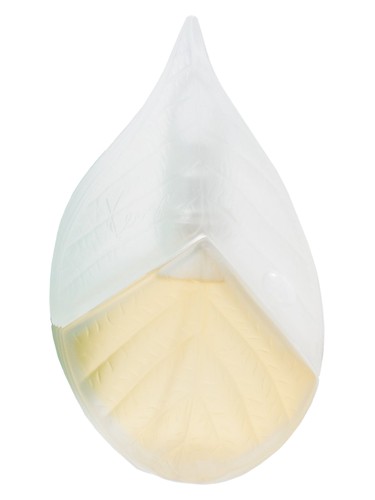
The parfum concentration here makes all the difference. Where eau de toilette versions of green florals can feel thin or fleeting, this iteration wraps around you with saturation and staying power. It''s immediately apparent that Kenzo crafted something designed to endure—both on the skin and in memory.
The Scent Profile
The evolution of Parfum d''Ete 1992 reads like a botanical journey from forest floor to full bloom. Those opening green leaves and hyacinth create an almost aqueous freshness, the peach adding a velvet texture that prevents the composition from feeling too sharp. The mahogany note is unusual for a summer fragrance, but it provides a subtle woodiness that grounds the brightness from the start.
As the top notes settle, the heart reveals itself as a genuine white floral bouquet—but one arranged by an artist rather than a florist. Lily-of-the-valley and narcissus form the backbone, their crisp, almost soapy cleanliness establishing the fragrance''s fresh character. Peony and freesia add layers of translucent petals, while jasmine and ylang-ylang bring a touch of indolic richness without overwhelming the composition''s inherent lightness. Rose petals drift through the arrangement, and cyclamen—that often-overlooked note—contributes an airy, slightly peppery quality that keeps everything from feeling too sweet.
This is where Parfum d''Ete 1992 truly shines: in the seamless integration of seven distinct florals that somehow read as a coherent whole rather than a cacophony. Each flower maintains its individual character while contributing to a larger olfactory narrative about summer gardens in full bloom.
The base brings unexpected sophistication. Oakmoss provides classic chypre structure, while iris adds powdery elegance. Sandalwood and cedar extend the woody theme introduced by that curious opening mahogany note, creating a foundation that''s substantial without being heavy. Musk and amber round everything out with subtle warmth, ensuring the fragrance doesn''t evaporate into nothing but instead settles into a soft, skin-like finish.
Character & Occasion
The data tells a clear story: this is a fragrance married to warm weather. With summer scoring 93% and spring at 87%, Parfum d''Ete 1992 (whose name literally translates to "Summer Perfume") delivers precisely what it promises. The 100% daytime rating isn''t surprising—this is a fragrance that thrives in natural light, when its green and floral accords can mirror the world around you.
But these numbers shouldn''t be read as limitations. Rather, they speak to the fragrance''s specificity, its refusal to be all things to all people. This is a scent for garden parties, outdoor lunches, morning meetings where you want to project freshness and competence. It''s for the person who wants to smell expensive without being loud about it, who appreciates complexity but doesn''t need to announce it.
The feminine designation feels accurate for its era, though modern wearers of any gender who appreciate floral compositions will find much to love here. This is refined femininity—intellectual rather than seductive, present rather than dominating.
Community Verdict
A 4.25 out of 5 rating from 1,519 voters tells you everything you need to know about insider appreciation. These aren''t casual department store sprays; these are votes from people who sought out a discontinued fragrance from 1992, likely paying premium prices on the secondary market. That level of devotion, combined with such a strong rating, signals something special.
The relatively high number of ratings for a thirty-year-old discontinued fragrance also speaks volumes. Parfum d''Ete 1992 has maintained a dedicated following, with knowledge of its excellence passed along through fragrance communities and whispered recommendations. This isn''t a forgotten relic—it''s a treasure that those in the know refuse to let fade away.
How It Compares
The suggested similar fragrances map an interesting constellation. J''adore by Dior shares the luminous white floral character, while Poeme by Lancôme echoes the multi-floral complexity. Trésor brings comparable warmth, and Samsara offers woody depth. That Kenzo''s own Parfum d''Ete 2002 appears first in the comparison list is telling—even the brand recognized they''d created something worth revisiting.
What distinguishes Parfum d''Ete 1992 is its particular balance between green and floral, between freshness and depth. Where J''adore leans more uniformly bright and Samsara tips woody-oriental, this fragrance occupies a sweet spot that feels simultaneously grounded and airy. It''s less abstract than Poeme, more structured than typical green florals.
The Bottom Line
The cruel irony of Parfum d''Ete 1992 is that its excellence is matched only by its unavailability. As a discontinued fragrance, finding it requires patience, luck, and likely a significant investment. But for those who prioritize fragrance as art rather than accessory, who value composition over convenience, the hunt may well be worth it.
This is a 4.25-star fragrance for good reason. It''s not quite perfect—perhaps a touch too specific in its seasonal requirements, maybe too polite for those seeking bold projection—but it executes its vision with remarkable skill. The parfum concentration ensures you''re getting the fullest expression of Kenzo''s idea, with longevity and complexity that justify the format.
Who should try it? Anyone who mourns the loss of sophisticated green florals in modern perfumery. Anyone who wants summer to smell like more than citrus and coconut. Anyone willing to experience what made early ''90s Kenzo such a respected name in fragrance. And anyone who believes that some things—gardens, summers, beautiful perfumes—are worth preserving, even if only in memory and small, precious bottles.
AI-generated editorial review