First Impressions
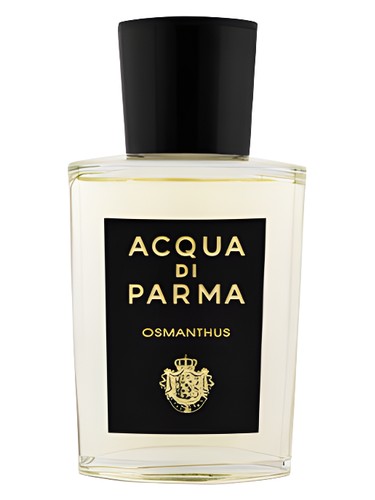
The first spray of Acqua di Parma''s Osmanthus Eau de Parfum arrives like morning light filtering through citrus groves—bright, optimistic, and decidedly Italian in spirit. Rather than leading with the star ingredient, the composition opens with a burst of neroli and green mandarin that feels more like a sun-soaked Mediterranean terrace than the dusky, apricot-laden character osmanthus typically brings. It''s an unexpected introduction, one that immediately signals this won''t be the heavy, honeyed osmanthus you might anticipate. Instead, there''s a sparkling freshness here, a deliberate lightness that feels both modern and quintessentially Acqua di Parma.
The Scent Profile
The opening act is all about citrus brightness tempered with green sophistication. Green mandarin provides a zesty, slightly tart introduction, while neroli adds its characteristic orange blossom facets—bitter-sweet, honeyed, and vaguely indolic without being overwhelming. This citrus-floral overture lasts longer than you''d expect from typical top notes, creating a luminous halo that persists well into the heart.
As the composition transitions, peony, ambrette, and pink pepper emerge to create an unexpectedly complex mid-phase. The peony brings a fresh, dewy floral quality—more watery rose than bombastic bloom. Ambrette, that fascinating seed that mimics musk naturally, contributes a soft, skin-like warmth and subtle nuttiness that grounds the composition without weighing it down. Pink pepper adds just enough sparkle and bite to keep things interesting, preventing the florals from becoming too polite or predictable.
The osmanthus itself—ostensibly the star—makes its entrance in the base alongside patchouli, but here''s where the composition reveals its true strategy. Rather than showcasing osmanthus in all its apricot-suede glory, Acqua di Parma has woven it into the foundation as a supporting player. The flower''s fruity facets blend seamlessly with the earlier citrus and floral notes, while its leathery undertones find companionship in a remarkably clean patchouli. This isn''t the dark, earthy patchouli of vintage compositions; it''s refined, almost transparent, adding structure rather than drama.
The result is overwhelmingly floral (the dominant accord at full strength), followed by distinct fruity and fresh characteristics that explain why this doesn''t wear like a traditional osmanthus soliflore. The citrus elements remain perceptible throughout, creating a golden thread that ties the composition together, while subtle musky and soft spicy accords provide just enough depth to suggest sophistication.
Character & Occasion
This is unequivocally a warm-weather fragrance, and the community consensus bears this out emphatically: spring wearability sits at maximum while summer follows close behind at 93%. The composition practically begs for sunshine, outdoor cafés, and breezy linen clothing. Fall brings its score down to a modest 38%, while winter—at just 16%—is clearly not this perfume''s natural habitat.
The day-versus-night split tells an equally clear story: 94% day versus 27% night. This is a fragrance for morning meetings, lunch dates, garden parties, and afternoon wanderings through botanical gardens. It lacks the intensity, the sultry depth, or the dramatic projection that evening wear typically demands. But that''s precisely its charm—it knows exactly what it is and doesn''t apologize for it.
The feminine designation fits the composition''s soft floral heart, though the bright citrus opening and clean musk-patchouli base could certainly be enjoyed by anyone drawn to fresh, light florals. This is particularly suited to those who find traditional osmanthus fragrances too heavy or sweet, or anyone seeking a sophisticated-yet-approachable signature for warmer months.
Community Verdict
With a rating of 3.88 out of 5 based on 806 votes, Osmanthus Eau de Parfum sits comfortably in "very good" territory without quite reaching "exceptional" status. This middle-ground rating often indicates a well-executed fragrance that may not be groundbreaking but delivers consistent quality and wearability. The substantial vote count suggests genuine interest and trial, lending credibility to that rating—this isn''t a niche obscurity with three passionate fans, but a widely-sampled composition that satisfies without necessarily inspiring devotion.
How It Compares
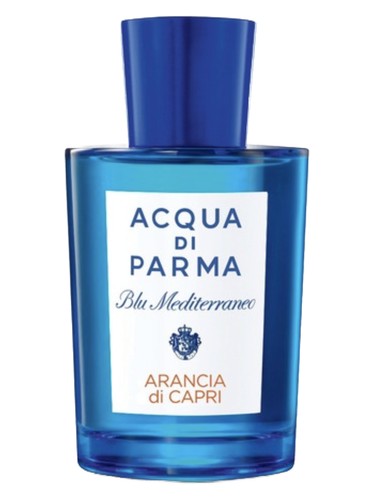
The list of similar fragrances reveals interesting context. Hermès'' Un Jardin Sur Le Nil shares that fresh, vegetal-floral brightness with subtle fruit. The inclusion of Creed''s Aventus might seem odd until you consider the pineapple-citrus freshness and clean musk that both compositions share. Acqua di Parma''s own Fico di Amalfi and Arancia di Capri appear as close relatives—all three speak the same language of Italian sunshine and Mediterranean gardens. Byredo''s Bal d''Afrique connects through its bright citrus opening and soft floral heart.
Within the osmanthus category specifically, this sits at the lighter, brighter end of the spectrum. Where fragrances like Hermès Osmanthus Yunnan explore the flower''s leather-suede aspects, or Serge Lutens Nuit de Cellophane emphasizes its apricot-jasmine richness, Acqua di Parma has chosen radiance over opulence.
The Bottom Line
Osmanthus Eau de Parfum succeeds at what it sets out to do: deliver an elegant, wearable interpretation of a sometimes-challenging flower within Acqua di Parma''s signature aesthetic of Italian refinement and Mediterranean light. The 3.88 rating reflects a fragrance that''s well-crafted and enjoyable without necessarily being revolutionary. It won''t be the most complex or memorable osmanthus in your collection, but it might well be the most wearable one for spring and summer days.
The value proposition depends on expectations. If you''re seeking osmanthus in all its quirky, apricot-leather glory, look elsewhere. If you want a bright, fresh floral with just enough character to rise above generic citrus-musk territory, this delivers handsomely. It''s particularly recommended for those building a warm-weather rotation, anyone new to osmanthus who wants an accessible introduction, or fans of Acqua di Parma''s aesthetic who''ve been seeking a feminine floral in the house style. Just remember: this is sunshine in a bottle—save it for days when you can match its luminous mood.
AI-generated editorial review