First Impressions
The first spray of Nur reveals SoOud''s particular genius: taking the intense, resinous traditions of Middle Eastern perfumery and filtering them through an unexpectedly soft, almost tender lens. What arrives on skin is neither the sharp bite of raw incense nor the cloying sweetness of generic orientals, but something more nuanced—artemisia and chamomile weaving through spirals of temple smoke, brightened by a whisper of lemon that feels more like memory than citrus. This is incense for those who thought they didn''t like incense, herbal without being medicinal, smoky without overwhelming. The powdery quality that dominates Nur''s character (registering at a full 100% in its accord profile) announces itself immediately, like finding frankincense wrapped in cashmere.
The Scent Profile
Nur''s opening quartet sets an unusual stage. The artemisia—botanical and slightly bitter—mingles with chamomile in a way that evokes apothecary jars and dried flowers rather than tea cups. Meanwhile, incense threads through both, adding gravity and smoke without aggression, while lemon provides just enough lift to keep the composition from sinking into solemnity. It''s an herbal-aromatic introduction that feels both ancient and surprisingly modern.
The heart is where Nur reveals its true complexity. Apricot emerges as the unexpected hero, its fuzzy-skinned sweetness playing beautifully against the dryness of cedar and the warmth of amber. Orris root adds its signature powdery-woody elegance, that peculiar marriage of earth and refinement that only iris can provide. This is where the fragrance fully embraces its powdery nature while building out the amber accord that scores 93% in its profile. The cedar keeps everything grounded, preventing the composition from floating away into pure abstraction, while the apricot-amber combination creates a glow that''s simultaneously golden and soft-focus.
The base is where Nur makes its most decisive move. Madagascar vanilla arrives not as a sweet gourmand note but as a creamy foundation that supports rather than dominates. Russian leather—that peculiar accord of birch tar, smoke, and animalic depth—adds an edge that keeps the vanilla from becoming too comfortable, too safe. Musk rounds everything out, creating a skin-like intimacy that allows the powdery, woody, and amber elements to settle into something that feels less like "perfume" and more like an aura. This is where the fragrance''s smoky accord (54%) becomes most apparent, not as bonfire or cigarette smoke, but as the ghostly trace of incense that''s burned down to embers.
Character & Occasion
The community data tells a clear story: Nur is overwhelmingly an autumn fragrance, with a near-perfect 98% seasonal rating for fall. This makes perfect sense—it captures that particular mood when air turns crisp, when you reach for soft knits and want something comforting but not heavy. Winter follows at 67%, and indeed, Nur has enough warmth and structure to carry through colder months, though it lacks the density of true winter powerhouses.
What''s particularly interesting is Nur''s day/night split: 100% day-appropriate, 73% night-wearable. This versatility speaks to the fragrance''s moderate presence and refined character. It''s substantial enough for evening but never so loud that it overwhelms a quiet morning. This is a fragrance for art gallery openings and afternoon meetings that run long, for brunches that turn into dinners, for weekends spent reading in cafes.
Though marketed as feminine, Nur''s herbal-woody-smoky backbone and its restraint with sweetness make it eminently shareable. Anyone drawn to sophisticated, powdery compositions will find something to love here.
Community Verdict
A 4.27 out of 5 rating from 482 votes represents genuine enthusiasm. This isn''t a polarizing experimental composition that thrills a small cult following while alienating everyone else. Nearly 500 people have weighed in, and the consensus is clear: Nur delivers something compelling and wearable. It''s scored high enough to merit serious attention but isn''t inflated by hype or limited availability. This is simply a well-crafted fragrance that succeeds at what it attempts.
How It Compares
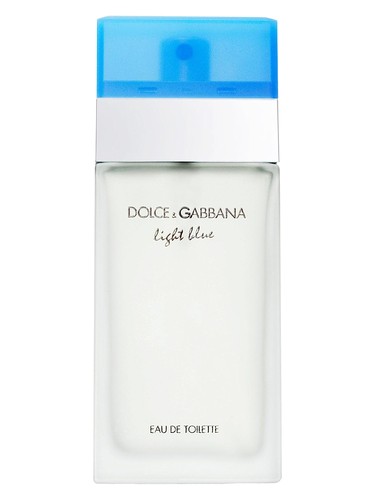
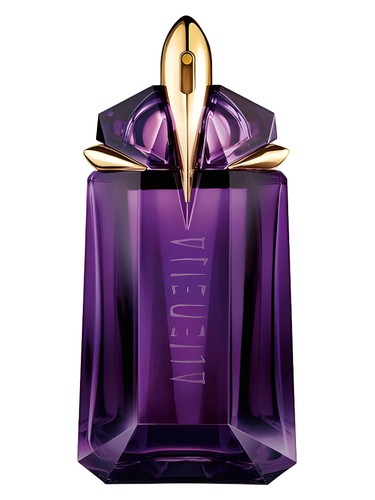
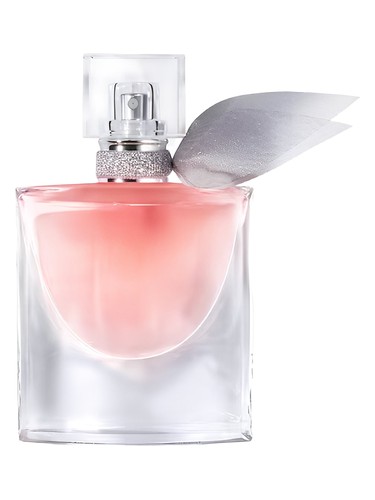
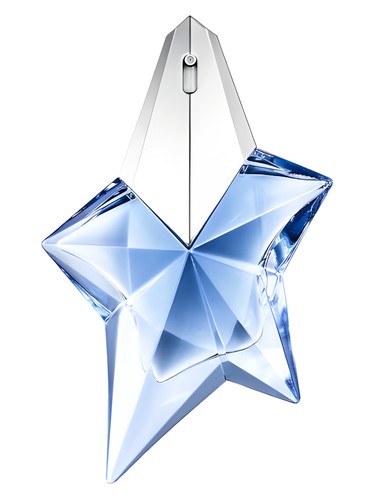
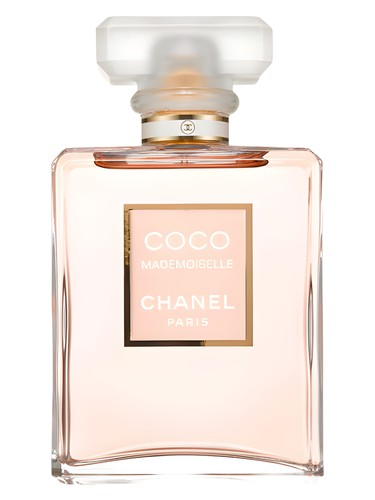
The comparison set places Nur in rarefied company. Sharing similarity space with Guerlain''s Shalimar speaks to Nur''s amber-powdery-vanilla backbone, though Nur skews more herbal and less overtly sensual. The connection to Stéphane Humbert Lucas''s Soleil de Jeddah and Amouage''s Interlude Woman positions Nur within a family of incense-forward Middle Eastern-inspired compositions, though it''s notably softer than Interlude''s intense smokiness. The Chanel Coco comparison points to shared elegance and vintage-leaning refinement, while Tauer''s L''Air du Désert Marocain shares that particular magic of making incense feel intimate rather than ceremonial.
Where Nur distinguishes itself is in its particular balance: more approachable than Amouage, more complex than Coco, warmer than Tauer, and more herbal-powdery than any of them.
The Bottom Line
Nur represents SoOud''s ability to bridge Eastern and Western perfume sensibilities without diluting either. It takes ingredients and traditions associated with intense, sometimes challenging fragrances—incense, leather, amber—and renders them in softer focus without sacrificing sophistication. The powdery-herbal-woody combination is executed with real skill, creating something that feels both comforting and intriguing.
At a 4.27 rating, this isn''t an undiscovered gem or a misunderstood masterpiece—it''s simply an excellent fragrance doing what excellent fragrances do: wearing beautifully, evolving gracefully, and giving you reasons to keep returning to the bottle. If you''ve been curious about incense fragrances but found most too austere, if you love amber but want something less predictable than the usual vanilla-patchouli formulas, or if you''re simply drawn to sophisticated fall scents with real character, Nur deserves a place on your sampling list. Just don''t expect to find it everywhere—this is a fragrance that rewards those willing to look beyond the obvious.
AI-generated editorial review