First Impressions
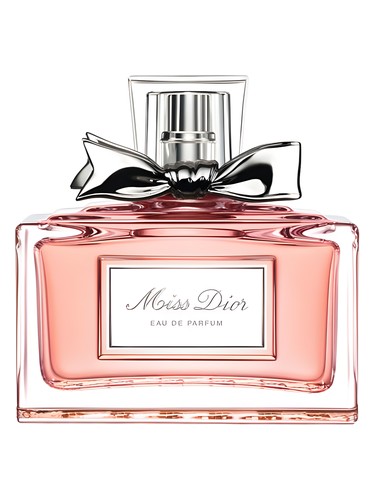
The first spray of Miss Dior Eau de Parfum 2017 is nothing short of effervescent. A cascade of citrus notes bursts forth—pink pepper dancing with blood orange, bergamot, and mandarin—creating an opening that feels less like a traditional floral introduction and more like stepping into a sun-drenched Grasse garden at dawn. This is not the Miss Dior of decades past, nor even its 2012 predecessor. This is a perfume that announces itself with confidence and joy, a radiant interpretation that places brightness at the very heart of French femininity.
What strikes you immediately is the deliberate modernity of this composition. While the Dior name carries decades of couture heritage, this 2017 reformulation doesn''t lean on nostalgia. Instead, it offers something simultaneously fresh and grounded—a sparkling citrus framework that promises the rose to come, but refuses to rush there.
The Scent Profile
The architecture of Miss Dior 2017 reveals itself in distinct yet seamless phases. Those opening moments, dominated entirely by citrus, are remarkably generous. Pink pepper provides a gentle warmth that prevents the blood orange, sweet orange, mandarin, Calabrian bergamot, and lemon from veering into sharp territory. This is a juicy, almost tangible citrus medley—the kind that feels edible without crossing into gourmand sweetness.
As the composition settles, usually within fifteen to twenty minutes, the heart emerges with classic elegance. Grasse rose and Damask rose form the centerpiece, but they''re rendered neither prim nor powdery. The jasmine leaf adds a green, almost tea-like quality that keeps the florals feeling alive rather than preserved. This rose is dewy and dimensional, supported by that persistent citrus glow from above. It''s here that the perfume reveals its true character: a rose fragrance that refuses to be heavy, that insists on luminosity even as it blooms fully on the skin.
The base brings unexpected structure. Patchouli and palisander rosewood create a woody foundation that''s more sophisticated than earthy, more refined than bohemian. The patchouli here isn''t the head-shop variety—it''s manicured, almost velvety, providing just enough depth to anchor the brighter elements without diminishing them. This woody-rose finale is where Miss Dior settles for the long wear, maintaining presence without overwhelming intimacy.
Character & Occasion
The data tells a clear story about when this perfume thrives. Spring claims 91% suitability, and it''s immediately apparent why—this is a fragrance that embodies renewal, that captures the energy of gardens coming back to life. Fall follows closely at 84%, where that patchouli-rosewood base finds its moment to shine against cooler air. Winter at 68% works surprisingly well; the composition has enough warmth and structure to hold up without feeling out of place. Summer, at 41%, is the only season where Miss Dior might struggle—in oppressive heat, its effervescence could feel cloying rather than refreshing.
The day/night split is equally revealing: 100% day-appropriate, 59% night-suitable. This is fundamentally a daylight perfume, one that thrives in natural light and professional settings. It''s office-appropriate without being boring, date-worthy without trying too hard. That 59% night rating suggests it can transition to evening wear, particularly for spring and fall dinners, though it lacks the sultry depth that dedicated evening fragrances possess.
Who is this for? The woman who wants presence without heaviness, femininity without frills. It suits the romantic pragmatist—someone who appreciates classic beauty but lives a contemporary life.
Community Verdict
With 3,541 votes landing at a 3.97 out of 5 rating, Miss Dior 2017 occupies interesting territory. This isn''t quite the overwhelming acclaim of cult classics, nor does it languish in controversy. Instead, it represents solid approval—a fragrance that satisfies many while perhaps not dazzling all.
That near-4 rating from thousands of wearers suggests consistency and quality. This is a perfume that largely delivers on its promise. The slight gap from perfect scores likely reflects the polarizing nature of reformulations—those seeking the Miss Dior of memory may find this too bright, too modern. Others might wish for more complexity or longevity in the base. But for what it aims to be—a radiant, wearable rose-citrus for contemporary tastes—it succeeds admirably.
How It Compares
Miss Dior 2017 exists in distinguished company. Its similarities to Chanel''s Coco Mademoiselle speak to that refined-but-modern femininity both houses pursue, though Coco Mademoiselle skews warmer and more oriental. The comparison to its own 2012 predecessor acknowledges lineage while highlighting evolution. Light Blue by Dolce & Gabbana shares that citrus-forward brightness, though it lacks Miss Dior''s rosy sophistication. Flowerbomb by Viktor & Rolf and Chance Eau Tendre by Chanel represent the broader category of approachable luxury feminines—fragrances that balance commercial appeal with genuine artistry.
Where Miss Dior 2017 distinguishes itself is in that deliberate citrus dominance (100% accord strength) married to substantial rose (57%). It''s brighter than most rose fragrances, more structured than most citrus fragrances.
The Bottom Line
Miss Dior Eau de Parfum 2017 is what happens when a heritage house looks forward instead of backward. It takes the scaffolding of classic French perfumery—rose, citrus, woods—and rebuilds them for contemporary sensibilities that favor radiance over richness, transparency over opulence.
At 3.97 from over 3,500 reviewers, this is a fragrance worth exploring, particularly if you''re drawn to florals but wary of heaviness, or if you love citrus but want more sophistication than typical cologne-style offerings. The value proposition is strong for an Eau de Parfum from Dior—you''re getting legitimate quality and reasonable performance in a bottle that works across three of four seasons.
Should you try it? Yes, if you''re seeking a signature scent that won''t alienate or overwhelm. Yes, if you appreciate rose but want it sun-soaked rather than dramatic. Perhaps skip it if you''re hunting for groundbreaking originality or brooding complexity. This is beautiful rather than challenging, refined rather than revolutionary—and there''s absolutely nothing wrong with that.
AI-generated editorial review